
In recent decades, the rapid advancement of technology has transformed every aspect of human life, from how we communicate to how we work and interact with others. While the benefits of this evolution are undeniable, it has also brought about a series of social disorders that, though visible, are not yet fully understood. These disorders affect our mental health, interpersonal relation
1. Social Disconnection: Isolation in the Digital Age
One of the most prominent effects of technological advancement is the increase in social isolation. Despite the fact that social networks and instant messaging platforms allow us to connect with people from all over the world, many studies suggest that these virtual interactions cannot replace face-to-face contact, which is crucial for emotional well-being. Excessive use of electronic devices, such as smartphones and computers, can lead to a disconnection from close ones, creating a sense of loneliness in those who spend more time interac
Moreover, the phenomenon known as FOMO (fear of missing out) has been exacerbated by social media, as people constantly compare their lives with others, which can lead to anxiety, depression, and lower self-esteem. Hyperconnectivity has also contributed to the creation of a society where being "always connected" is the norm, leading to emotional burnout and a lack of boundaries between work, personal life, and leisure time.
2. Technology Addiction: An Emerging Disorder
Excessive use of technology has given rise to a new form of addiction: Internet addiction, which affects millions of people worldwide. Devices and apps are designed to capture our attention constantly, and the dopamine released when receiving a notification, a "like," or a message can generate a reward sensation similar to that of other addictions.
This dependency can have serious repercussions on people's lives, causing a decline in academic or professional performance, family conflicts, and mental health issues. Additionally, video game addiction is another emerging disorder, particularly among young people, who spend endless hours in virtual worlds, leading to the abandonment of their responsibilities in the real world.

3. The Loss of Social Skills: Are We Losing Our Ability to Communicate?
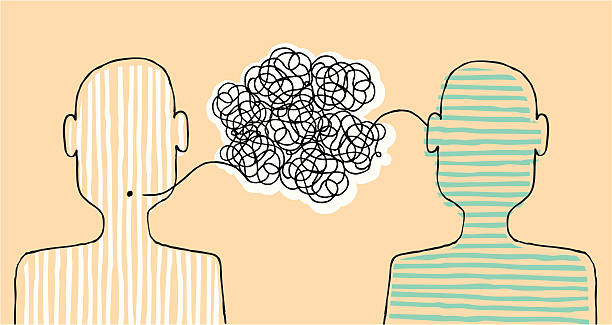
The ability to interact effectively with others has been severely affected by dependence on technology. Excessive use of text messages, emails, and social media has reduced our ability to handle face-to-face conversations, affecting empathy, emotional interpretation, and conflict resolution.
Furthermore, digital platforms tend to promote superficial interactions, where communication is quicker and more direct but lacks the emotional depth that comes with in-person conversation. Young people, in particular, are the most affected by this trend, as many feel more comfortable communicating virtually than in physical settings, which can lead to emotional disconnection with others.
4. Constant Exposure to Information: The Disorder of Information Overload
Constant access to information and news, especially through the internet, has created a phenomenon known as information overload. We live in an era where news is in constant flow, and alerts, updates, and headlines bombard us relentlessly. This excess of information can result in stress, anxiety, and difficulty processing and making decisions.
Moreover, the speed at which news spreads can generate confusion, misinformation, and polarization in societies, affecting individuals' ability to critically analyze information. This contributes to the fragmentation of society and the weakening of social cohesion, as people tend to follow only those information sources that reinforce their pre-existing beliefs.

5. Privacy and Surveillance: The Disorder of Constant Exposure
Technology has also created new concerns related to privacy and surveillance. The constant collection of personal data by companies and governments, along with the proliferation of connected devices that gather information about our habits and preferences, has given rise to a new kind of social disorder: the disorder of constant exposure.
As our personal information becomes more accessible and vulnerable to cyberattacks or misuse, people feel they are being watched at all times, which can generate feelings of vulnerability and paranoia. The lack of privacy can affect individuals' ability to express themselves freely and contribute to an increase in anxiety levels.

Conclusion
While technology has brought countless benefits, such as access to information, improved communication, and the ability to perform tasks more efficiently, it has also generated social disorders that should not be ignored. Isolation, addiction, the loss of social skills, information overload, and lack of privacy are just a few of the problems we face today.
It is crucial that as a society, we seek solutions to mitigate the negative effects of technology. We need to promote a more balanced and conscious use of devices and digital platforms, fostering genuine human connection, privacy, and emotional well-being. Only in this way can we harness the advantages of technology without letting the resulting social disorders jeopardize our mental health and relationships.






