
Our gut bacteria can be partially blamed for being overweight or obese. There is a causal link between the microbiota and obesity, driven in combination with overnutrition and drastic lifestyle changes.
The prevalence of obesity is reported to increase worldwide and it is a major challenge in our modern days. There are various attempts to explain the large increase in obesity, mostly due to the last three decades of research. They include calorie intake, changes in dietary composition, decrease in physical activity and changes in the gut microbiome. Is the gut microbiota contributing to the excessive weight accumulation in our body? A piece of evidence was published in 2005, when scientist found that obese mice microbiota composition is different from the healthy lean ones. An increase of Phylum Firmicutes bacteria was noticed in the obese mices, and their microbial diversity was lower than normal. This made them wonder if is obesity causing the changes in the microbiota or is the gut bacteria causing obesity? They got sample from human twins (one fat, one lean) and give them to germ free mice. The ones with bacteria from the slim ones stayed slim, the others quickly gained weight. So the conclusion was that there is a direct causal link between the gut microbiota and the weight gain. The next trials started with gut microbes from lean humans, given to obese individuals, and they improved their metabolic response and experienced weight loss. The effect lasted for few weeks when the study was done, but we do not know if the effect is sustained. Also, fecal transplant is prone to high risk of infection. We will talk later about this.
The gut microbiota is a major contributor to obesity. Our diet is another one, as the Western style diet is an example , characterized by highly processed and refined foods, rich in proteins and fats. It has a high salt, fat and sugar content, with protein mainly from red meat. This diet is the major contributor to the actual crysis of obesity and to a wide range of obesity related diseases. This type of diet leads to a low presence of Bacteroidetes and Akkermansia, followed by an increase in the firmicutes and proteobacteria groups. These alterations were associated with obesity and the subsecvent related chronic diseases. The high fat content causes an overload in energy leading to obesity, but the change in microbiota can also cause inflammation, which in turn can lead to many obesity related diseases.
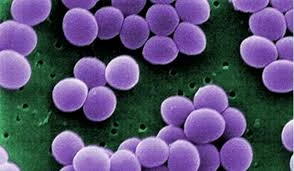
Akkermansia
Diet can increase obesity and obesity related diseases directly and indirectly. The evidence supporting the link between obesity and lifestyle changes is very strong. Modulation of the microbiota might help to ameliorate metabolic responses and initial weight loss attempts. Adapting the microbiota might be useful to keep a healthy weight or even to lose weight.
Next post: Undernutrition and weight loss.
See you soon.
G.






