
The food that you consume is the one feeding your microbiome. Everything that cannot be digested by yourself it is used by your microbiome, which will transform all these indigestible components into energy that it is used by you.
Some beneficial microbes nibble on you eating the mucus produced by your body, as the human body will produce around 10 liters of mucus every day. The mucus is made of a protein backbone with chains of sugar molecules attached to it, known as mucus glycans. Some microbes adapted to eat these glycan structures produced by our body. These microbes are specialized in the consumption of the host-produced glycans, such as in mucus. Another type of glycans produced by the human body are the human milk oligosaccharides. The glycans in mucus and human milk are structurally alike, they are awkward sugars, rarely found in plants. This is why not many microbes can degrade these glycans.
The dietary glycan starch is a sugar chain of only glucose molecules, while primary sugars of mucus and milk glycans are n-acetilglucosamine, fucose, manose and sialic acid. Because these can be used by the microbiota, they are considered pre-biotic substances to nurture specific microorganisms (who serve a beneficial and protective role for the most).
The group of bacteria specialized in the degradation of the human milk oligosaccharides are known as bifidobacteria. In early life , bifidobacteria plays a role in energy harvest for the infant, they also play a crucial role in the immune and metabolic imprinting. Later in life, permanent colonization of the mucosal layer also leads to immune and metabolic regulation contributing to the host health. Because many pathogens use mucus as a signal to attack, the beneficial mucus colonizing microbiota members will protect against such pathogens. The host tolerates microbes in the mucosal layer and even produce extra mucus when sensing their presence. Another reason of existence of awkward sugars is that, if all bacteria will degrade the mucosal layer, this could be problematic.
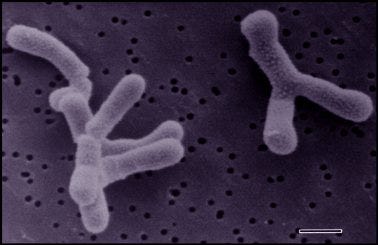 Bifidobacteria
In conclusion, some microbiota members like eating the glycans from mucus and milk. Early life, they release energy from human milk, later in life they serve as a line of defense against pathogens. They also stimulate a healthy host immune and metabolic response. Our body will nurture specific members of the microbiota by producing special sugars.
Next post will be about long versus short dietary habits.
See you soon!
G.






