
For most of crypto’s short history, winning followed a familiar and almost mechanical script. You watched the market from the outside, waited for momentum to appear, entered early enough to benefit from narrative expansion, and exited before liquidity dried up. Those who moved faster or reacted more aggressively captured disproportionate upside, while community, contribution, and long-term involvement were largely secondary concerns. Participation existed, but it was optional. Belonging was symbolic rather than strategic, and the market rewarded timing more than commitment.
That model worked in an environment defined by exponential growth, constant inflows of new users, and narratives powerful enough to override fundamentals. But markets mature, and crypto is no exception. Today, the conditions that once rewarded pure spectatorship are no longer dominant. Volumes are structurally lower than during the peak of previous cycles, user activity is more selective, capital is deployed with greater caution, and attention is fragmented across fewer, more serious participants. In this environment, simply watching from the outside and waiting for confirmation has quietly become one of the weakest positions an investor or user can take.
Press enter or click to view image in full size
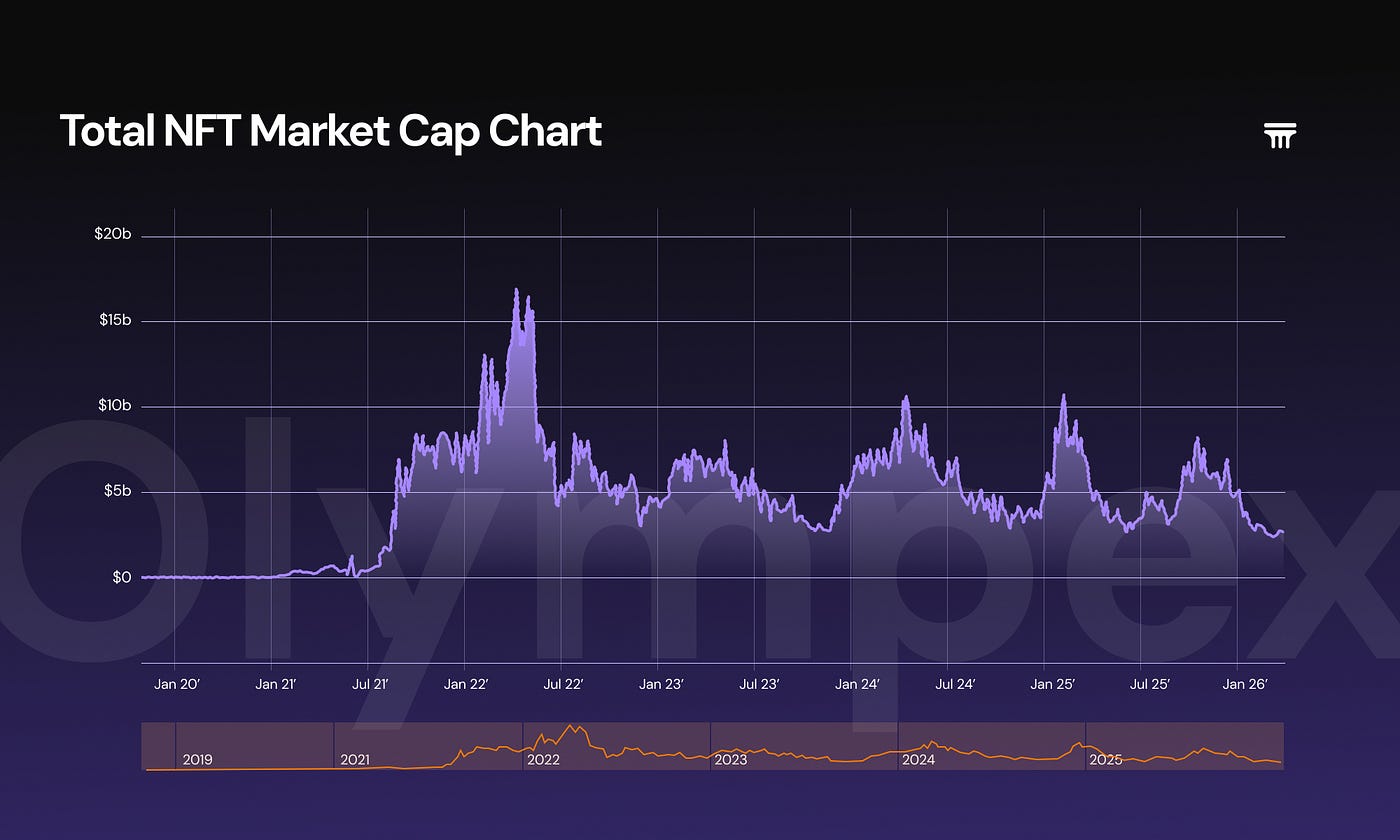
As these conditions have changed, the edge in crypto has begun to migrate, slowly but decisively, from observation to participation. What is emerging is not a temporary trend but a structural shift in how value is created and, more importantly, how it is captured. Instead of chasing isolated trades or short-lived narratives, a growing number of users are realizing that being inside an ecosystem early, contributing to it, supporting its growth, and evolving alongside it unlocks opportunities that are simply invisible to outsiders. Access happens first on the inside. Information circulates there earlier. Benefits are distributed there before they are obvious to the broader market. By the time something becomes widely understood, the asymmetry has already been captured by those who were involved when conviction mattered more than popularity.
This is not a social argument about community for its own sake. It is a strategic observation about positioning. We have already seen this dynamic play out in concrete, verifiable ways across crypto, long before it became fashionable to talk about participation as an edge.
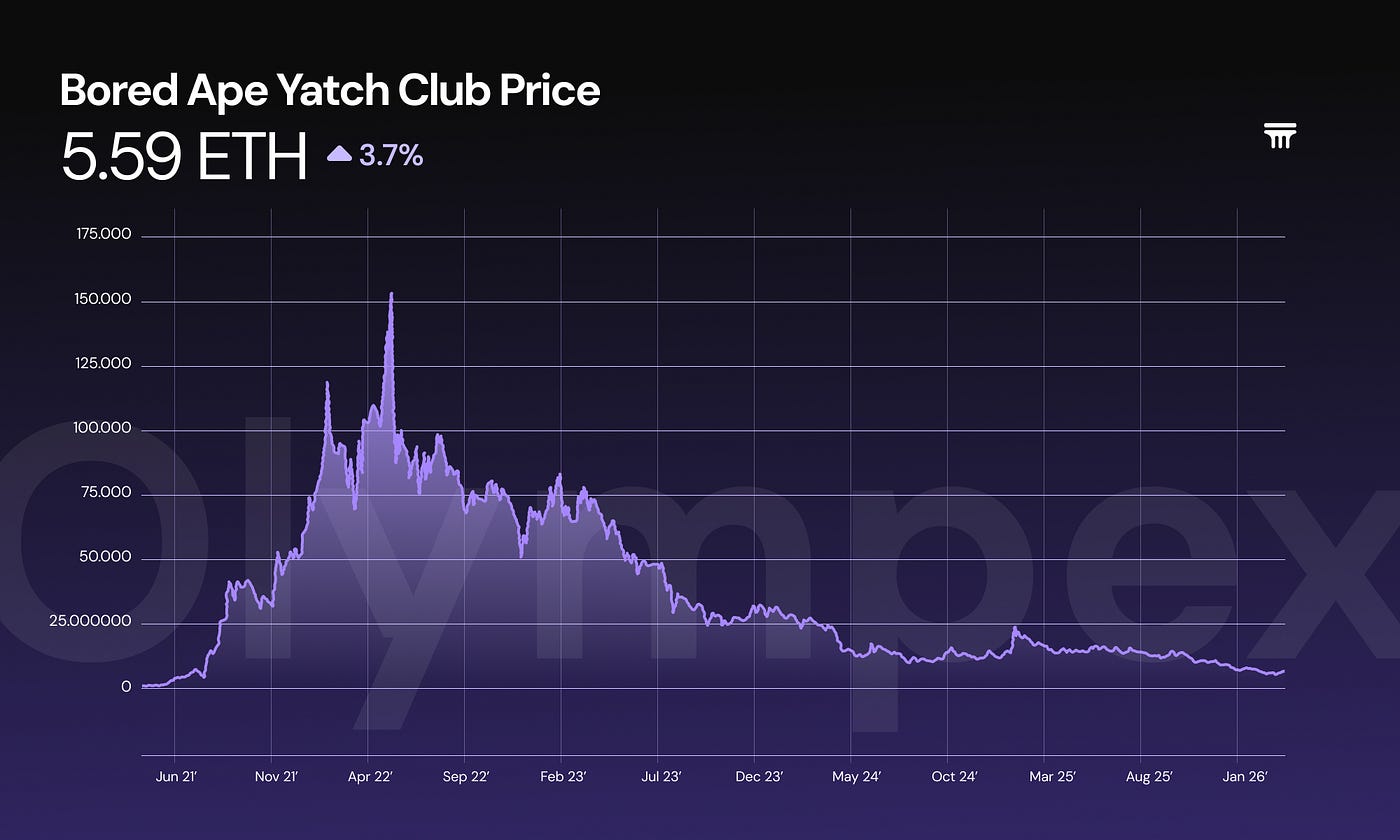
During the last cycle, early holders of Bored Ape Yacht Club did not simply benefit from a rising floor price. Many acquired their NFTs for fractions of an ETH, often for amounts that felt experimental at the time. Within months, those NFTs were valued at hundreds of thousands of dollars, and in some cases millions. But focusing only on price appreciation misses the deeper story.
Holding a Bored Ape granted access to a private, highly concentrated network of founders, investors, artists, and operators at a moment when crypto-native social capital was being formed. Holders received commercial rights to their NFTs, invitations to exclusive events, early access to new launches, and later the ApeCoin airdrop. For many participants, the cumulative value generated through business opportunities, partnerships, derivatives, and network effects far exceeded what they would have earned by simply selling the NFT. The NFT itself was not the source of wealth; the position it unlocked inside the ecosystem was.
Press enter or click to view image in full size
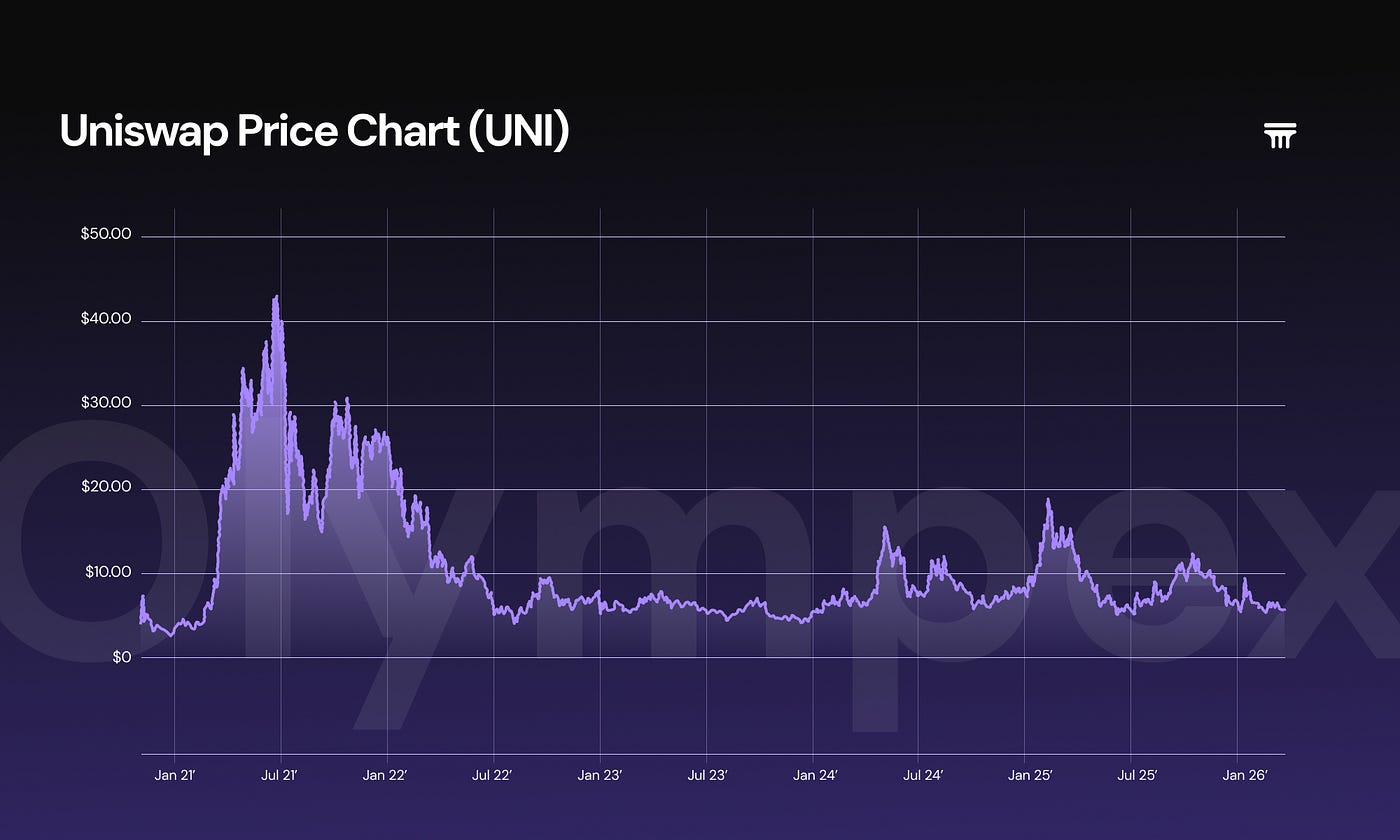
The same logic applied to Uniswap, where early users who interacted with the platform when it was still experimental were rewarded with one of the most iconic airdrops in crypto history. A simple act of usage, swapping tokens long before Uniswap became dominant, translated into life-changing outcomes for many participants. These examples were not anomalies or marketing stunts. They were signals of a deeper truth: the largest asymmetric outcomes in crypto have consistently flowed to those who were already inside systems when value began to crystallize.
Press enter or click to view image in full size
If this dynamic feels familiar, it is because it has repeated itself across multiple cycles under different names. Airdrops simply made it visible to a wider audience. The Olympex article “Airdrops: How to Get Free Tokens and Earn Without Investing” explores this pattern in detail, showing how participation, rather than capital or prediction, has often been the decisive factor behind these outcomes.
However, participation alone is not enough. For it to consistently generate value, it needs structure. It needs a way to be represented, measured, and aligned with incentives over time. This is precisely where many narratives from the last cycle began to break down, particularly around NFTs.
NFTs became narrowly associated with art, collectibles, and speculative flipping. Visual
identity mattered more than function, and attention mattered more than contribution. For a time, that framing worked because liquidity was abundant and new users were constantly entering the market. But once growth slowed and speculation faded, most NFTs lost relevance. Not because the underlying technology failed, but because the use case was too shallow for a maturing ecosystem.
Press enter or click to view image in full size
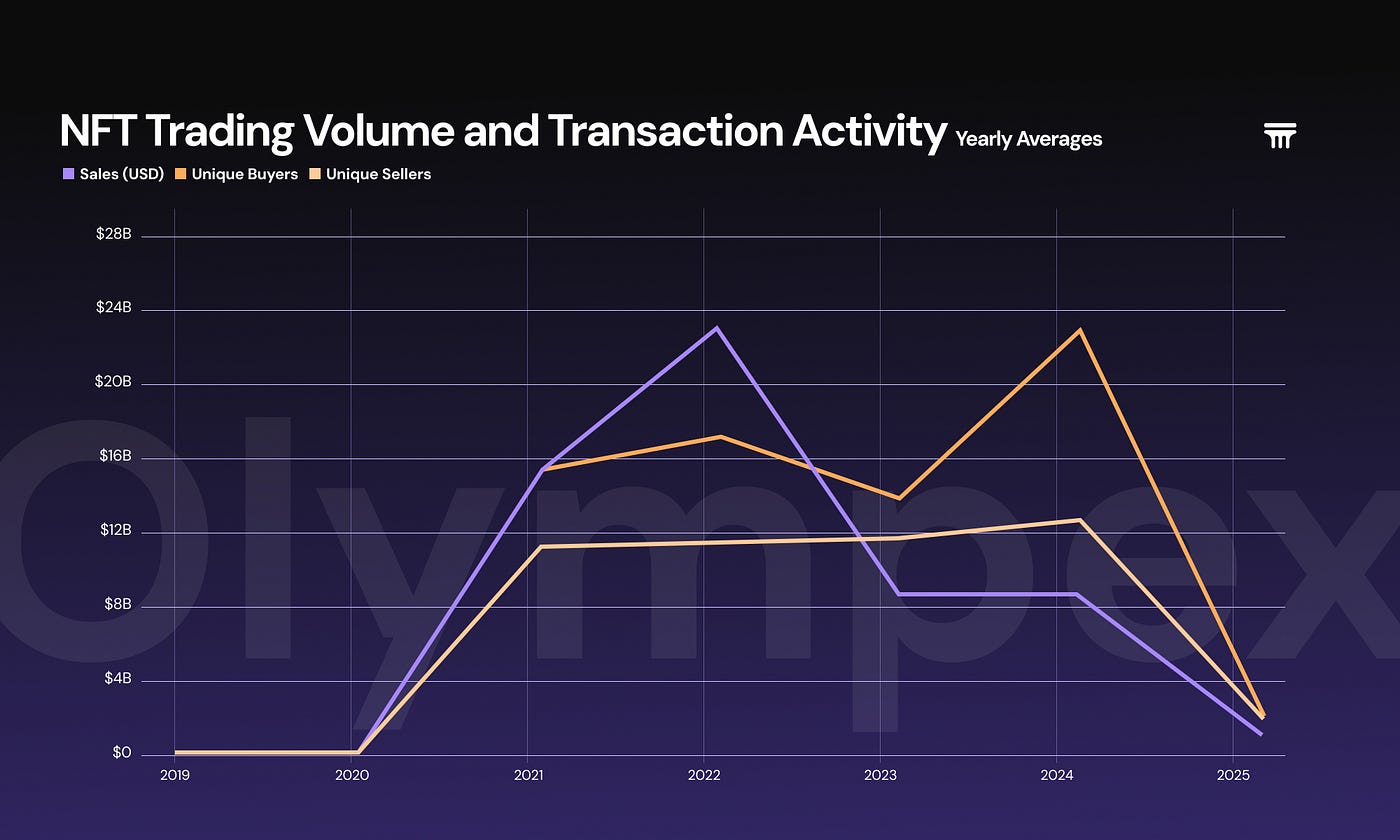
At their core, NFTs were never meant to be static images. They are coordination primitives: tools to represent membership, access, participation, and rights within a digital system. When NFTs are treated as trophies, they fade. When they evolve into functional assets embedded within ecosystems, they regain purpose.
For NFTs to remain a relevant narrative in crypto, they must move beyond aesthetics and speculation and adapt to functionality. They need to unlock something real and ongoing, whether that is access to features, participation in governance, amplified rewards, or preferential positioning within an ecosystem. In other words, NFTs need to become instruments of participation rather than symbols of hype.
This is the transition Olympex is intentionally making. Within the Olympex ecosystem, NFTs are designed to represent involvement rather than ownership for its own sake. They function as mechanisms to recognize users who participate early, contribute consistently, and grow alongside the platform. Their value is not derived from attention or resale narratives, but from alignment with the ecosystem’s long-term growth. As speculation slows across crypto, participation becomes the primary filter for value distribution, and NFTs designed with real utility provide a concrete way to coordinate that process.
If you want to stay close to how this philosophy is being built in real time, joining the Olympex Telegram community is the best place to start. That is where ideas, updates, and opportunities surface first, long before they reach the wider market. The real edge is no longer prediction. It is participation. The only open question is whether you will already be inside when this shift becomes obvious to everyone else.





