
For years, crypto swaps have been sold under a simple slogan: faster is better. The promise of “instant execution” became the standard narrative across both centralized exchanges (CEXs) and decentralized exchanges (DEXs). But as the DeFi ecosystem matures, it’s becoming increasingly clear that speed alone is no longer enough.
The future of swaps will not be defined by who executes transactions a fraction of a second faster. Instead, it will be about who gives the user more control, more transparency, and more meaningful context to make informed financial decisions.
From Speed to Strategy: Why “Fast” Is Not the Same as “Better”
At first glance, a quick swap seems like an ideal solution. One click, and your tokens are exchanged. But this illusion of simplicity often hides serious drawbacks:
- Slippage erosion: In markets with high volatility or shallow liquidity pools, your “fast” swap can end up executing at a much worse price than the one you confirmed. A trader aiming for a 1% gain may see it evaporate entirely because of poor execution conditions.
- MEV exploitation: Research from Flashbots and the “Trading in the Dark” (2025) report highlights how bots can reorder transactions for profit. In practice, this means that your swap may be front-run, leaving you with a higher price and a hidden cost.
- Network stress failures: During peak congestion, swaps can fail or stall. Reports by Quickex (2025) document that many swaps either take much longer than advertised or simply don’t go through, forcing traders to reattempt under worse conditions.
The key lesson: speed without strategy is fragile. Execution may be fast, but if it consistently erodes trader outcomes, the system fails its purpose.
Evidence of a Global Shift: From CEX Dependence to DEX Empowerment
The data confirms what traders are already feeling: users are migrating toward platforms that prioritize control and transparency over blind speed.
- In Q2 2025, the top 10 DEXs processed $876.3 billion in spot volume, up +25.3% from Q1 (CoinGecko Q2 2025 Report).
- Meanwhile, CEX spot volumes fell by nearly 28% in the same quarter (Cointelegraph, 2025).
- This drove the DEX-to-CEX ratio to 0.23, the highest in history — a clear signal that decentralized platforms are capturing trader trust.
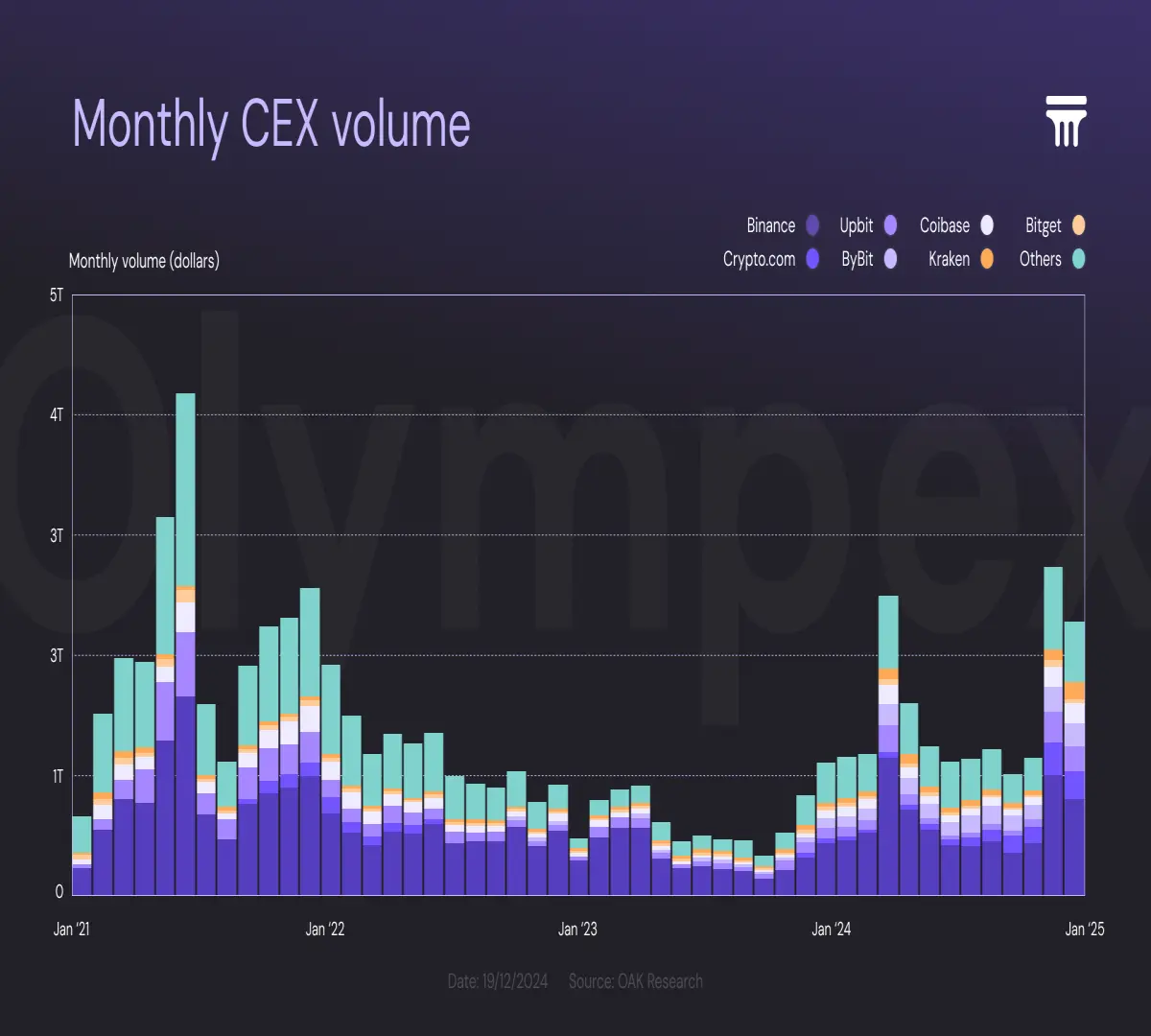
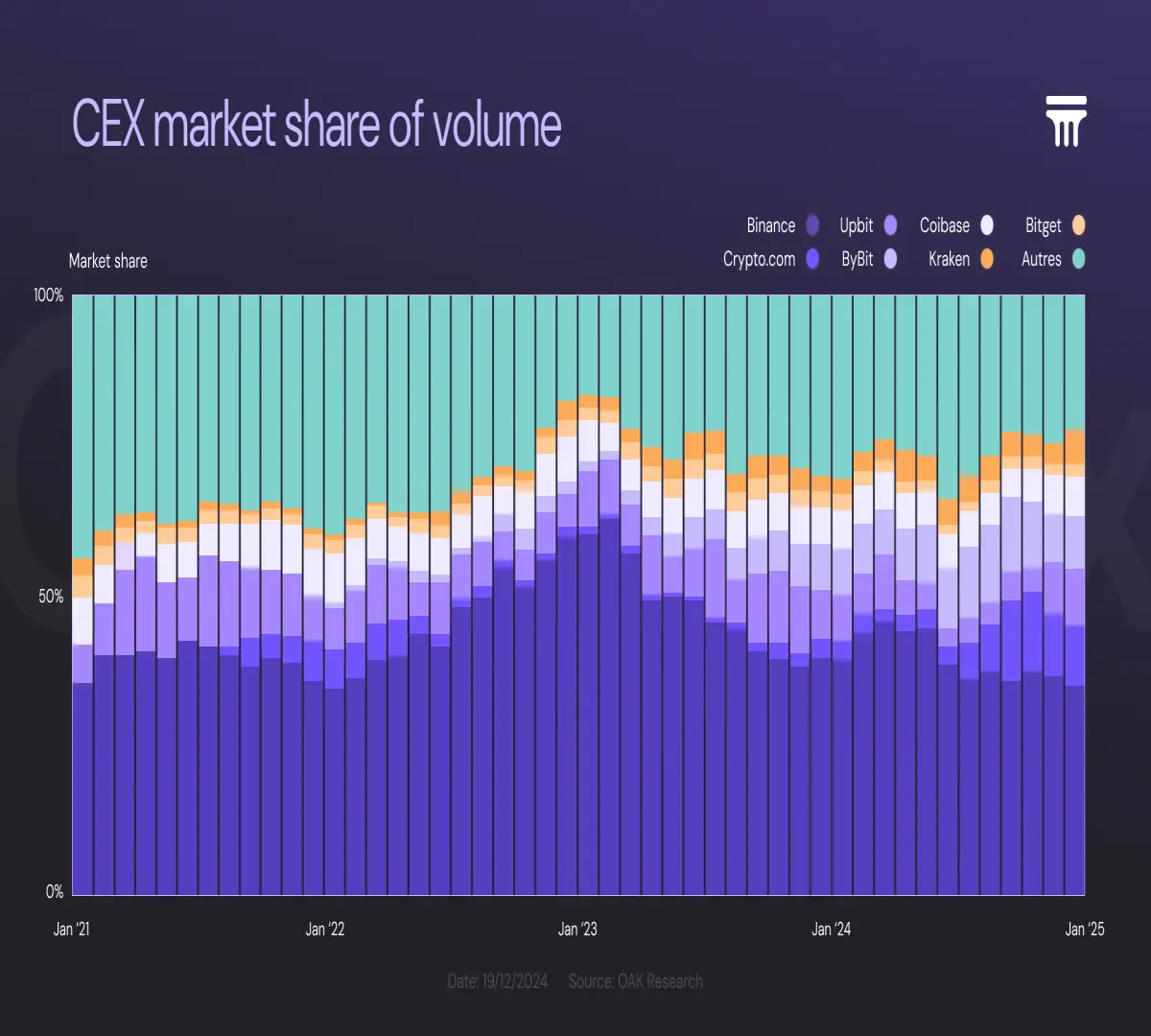
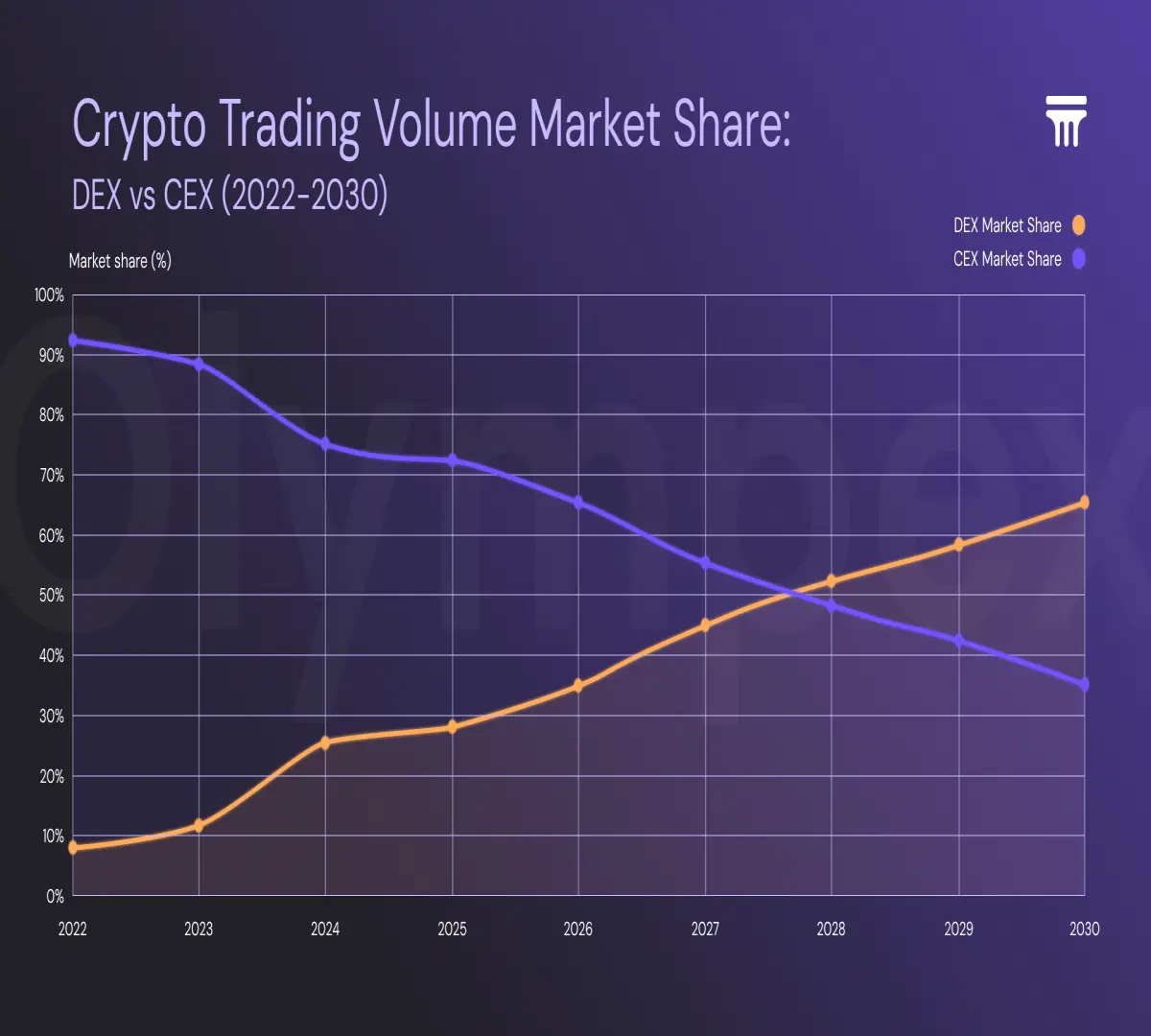
"DEX Achieves 25% Market Share: When Will It Overtake CEX?" (Hashed Team / Medium) CoinGecko+1
Within this shift, leaders have emerged:
- PancakeSwap grew 539% in Q2 2025, reaching $392.6 billion in spot trades and seizing ~45% of all DEX market share.
- Hyperliquid dominated perpetual DEX trading with $653 billion in volume and an astounding 73% category market share.
Interpretation: traders are voting with their wallets. They are choosing platforms that offer them autonomy and transparency, as opposed to the old centralized models.
On-Chain Intelligence: Why Data-Driven Swaps Are the Future
The next generation of swaps isn’t about pressing a button; it’s about informed decision-making. To get there, swaps must integrate real-time, on-chain intelligence:
- Liquidity mapping: Knowing not only which pool has liquidity, but how deep that liquidity is, ensures that trades don’t unexpectedly drain reserves.
- Routing visibility: A good swap should clearly display how an order is split across multiple pools and chains, allowing traders to verify the path of execution.
- Risk analytics: By surfacing gas estimates, volatility metrics, and potential MEV exposure, platforms can empower traders to avoid bad trades before they happen.
Without this transparency, swaps are blind trades. With it, they become strategic financial tools.
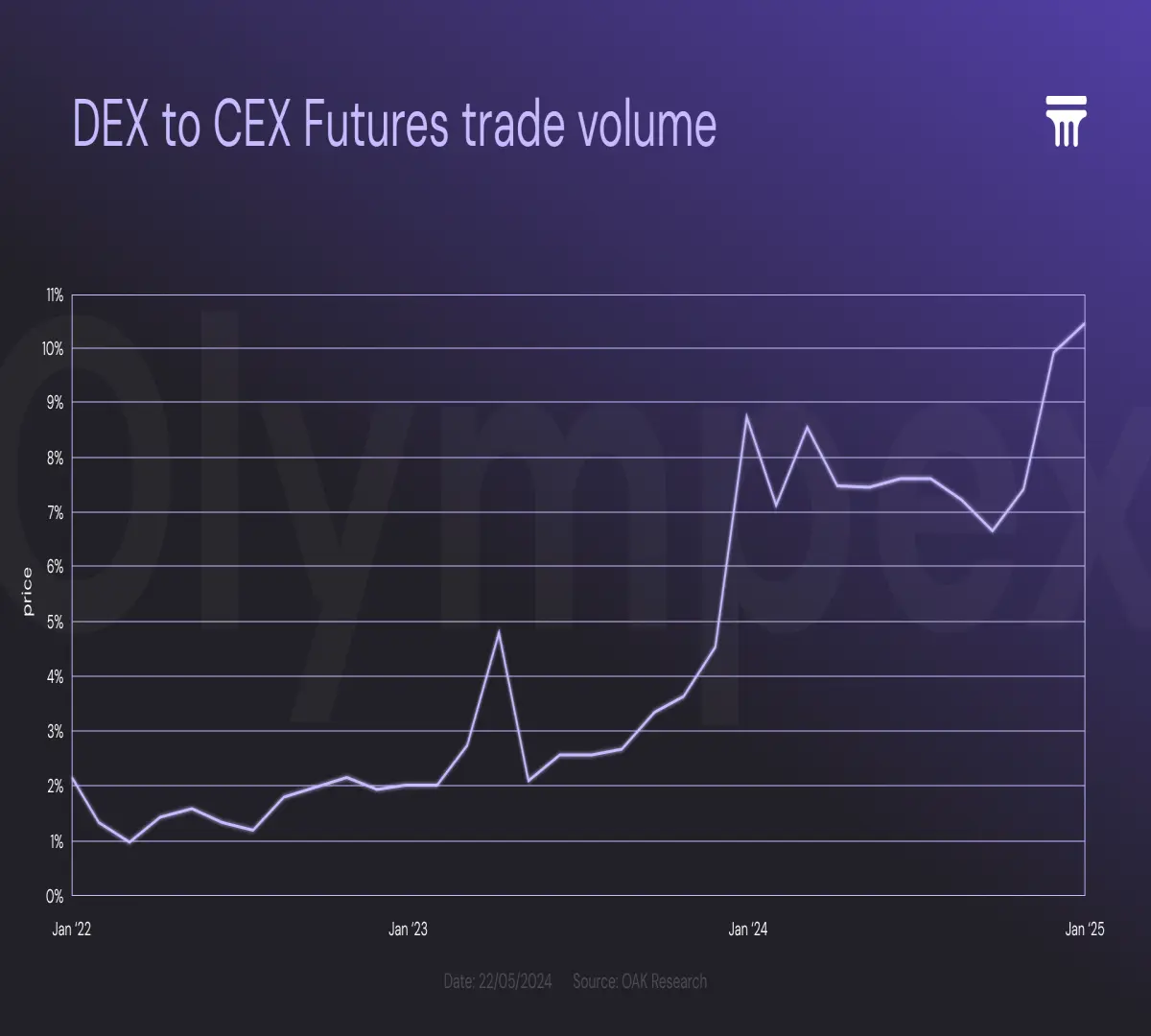
"CEX vs DEX: Report from 2024 Forecasts for 2025" (OAK Research) oakresearch.io
UX Layers: From One-Click Interfaces to Tactical Dashboards
If the infrastructure is the foundation, UX is the control room.
The first wave of DeFi interfaces prioritized simplicity, one-click “swap now” buttons designed to mimic centralized exchange speed. While this lowered the entry barrier, it also created new risks by hiding critical information.
The next stage is modular UX design, where traders get:
- Customizable dashboards: Ability to adjust parameters like slippage tolerance, routing preferences, or even set smart conditional swaps.
- Integrated insights: Charts and warnings that highlight risks in real time instead of after execution.
- Layered decision-making: Instead of flattening complexity into one button, platforms let users choose how much control they want, from novice mode to advanced strategic execution.
This modularity transforms swaps into something new: not just transactions, but operational strategies.
How Olympex Puts This Vision Into Practice
At Olympex, the philosophy is clear: don’t hide the complexity, manage it transparently and strategically.
- Smart cross-chain routing ensures the best possible price by aggregating liquidity across chains.
- Real-time slippage and MEV indicators surface risks before execution, not after.
- Configurable interfaces give traders the choice between simple and advanced modes, depending on their intent.
The result? An environment where traders don’t just execute, but strategize using Olympex as a tactical command center rather than a basic swap button.
From Illusions of Speed to True Financial Autonomy
The story of swaps in crypto reflects the story of DeFi itself. Early solutions offered speed because users demanded simplicity, and exchanges, both centralized and decentralized, delivered it. But speed was always a double-edged sword: it made trading easy, but at the cost of transparency, trust, and often profitability.
Now, the numbers don’t lie. With DEX volumes surging and CEX activity shrinking, users are signaling that the era of blind execution is ending. Traders don’t just want fast swaps; they want tactical tools. They want to know why their order was routed a certain way, where liquidity came from, and how risks were mitigated.
The deeper truth is this: speed is transactional, but control is transformational.
- Speed alone turns users into passive participants, dependent on opaque systems that profit from their lack of visibility.
- Control with context turns traders into active strategists, capable of shaping outcomes, minimizing costs, and maximizing gains.
Olympex represents this turning point, from swaps as buttons to swaps as strategic instruments. And as DeFi continues to evolve, the platforms that win will not be those who shave milliseconds off execution time, but those who give users the tools to truly own their financial future.
Because in crypto, as in life, speed without direction is chaos. Control with insight is freedom.





