
The first time you make a transaction on a blockchain, you notice something unexpected. You are not only sending tokens, you are also paying a fee. It may be small or it may be surprisingly high depending on the moment, but it is always there. For newcomers this can feel confusing and sometimes even frustrating. Yet gas fees are one of the essential mechanisms that make decentralized systems work. They are the economic foundation that keeps blockchains secure, functional, and fair.
To understand gas, imagine a vast public network where thousands of people submit actions at the same time. Some want to trade, others want to send tokens, others interact with smart contracts that perform complex calculations. The blockchain must process all of this in a precise order, verifying each instruction and adding it to the ledger. None of this happens automatically. It requires computational power provided by validators, the participants who run the infrastructure of the chain. Gas is the reward that motivates them to maintain the network. Without it, the system would stall because no one would have an incentive to secure it.
Press enter or click to view image in full size
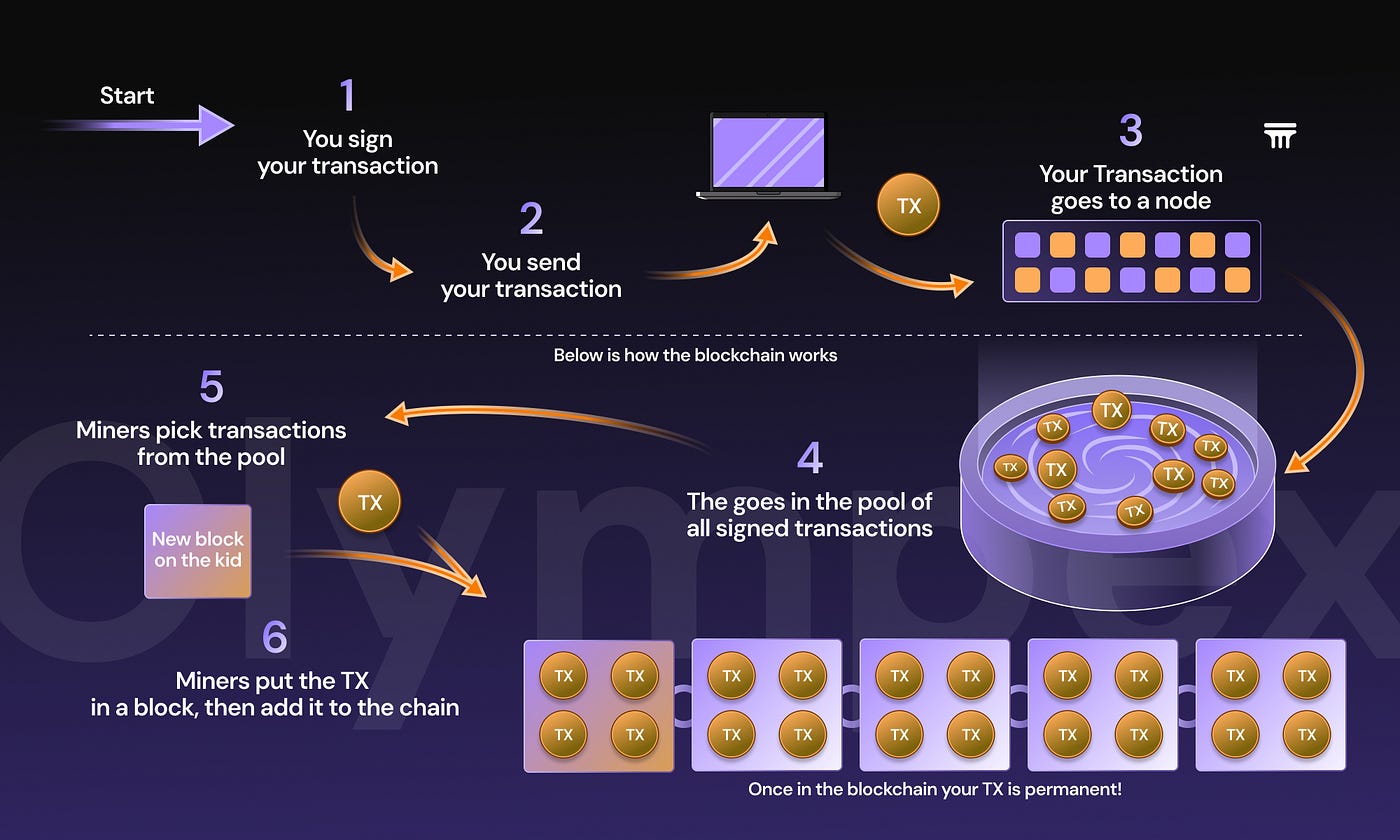
This same dynamic appears repeatedly across DeFi. Whether you are swapping tokens, farming yield, or interacting with complex protocols, every action consumes resources. If you want a broader view of how these mechanisms fit into the DeFi ecosystem as a whole, revisiting DeFi 101: From Wallets to Yield: Your First Steps in the Decentralized World can help connect gas fees to the bigger picture of on-chain activity.
Gas also acts as a balancing mechanism. On a quiet day the blockchain can process transactions quickly and at a low cost. On a busy day the network becomes similar to a crowded highway, and those who want their transactions confirmed sooner pay slightly more. This creates a natural prioritization that keeps the network running smoothly even under heavy load. What feels like a simple fee to the user is actually a carefully designed economic system that ensures fairness and prevents spam or malicious overload.
Every blockchain measures gas differently. On Ethereum, the cost reflects the computational effort required to perform an operation. Swapping tokens consumes more gas than sending a simple transfer because the smart contract must evaluate multiple conditions, access liquidity sources, and update complex states. On other chains the units may have different names or behave slightly differently, yet the principle remains the same. Gas represents work, and work requires compensation. Seeing gas this way changes the perspective. It is not a punishment for using the network, it is the price of decentralization.
Press enter or click to view image in full size

Users naturally want to optimize these costs, and there are several ways this happens implicitly without requiring advanced knowledge. Some wallets suggest the right moment to send a transaction. Some networks reduce congestion through more efficient architectures. And some applications, including Olympex, make decisions behind the scenes to minimize unnecessary gas consumption.
When Olympex scans liquidity across chains, it does not only search for the best price. It also evaluates the cost of executing the route. A path with excellent pricing may be ignored if the gas required is excessive, because the final result would not benefit the user. This logic mirrors what we explored in More Control, More Gains: The Future of Swap in Crypto, where execution quality often matters more than headline prices
This ability to combine price intelligence with gas efficiency is one of the features that makes advanced DeFi tools valuable. The user sees a clean, friendly interface, but underneath it the protocol examines a large number of variables. Olympex does not alter the gas structure of any chain. Instead, it works with the existing environment to provide the most reasonable outcome possible. The platform does not take custody of user funds and does not subsidize gas. It simply guides transactions through paths that save the user unnecessary cost while preserving transparency.
Although gas is often viewed as a technical detail, it has a philosophical dimension as well. It represents the idea that the network belongs to its participants. Validators earn gas because they contribute their resources. Users pay gas because they ask the network to perform work. The cycle is simple but powerful. It sustains a decentralized economy where no single entity controls the infrastructure. The cost of gas is the cost of autonomy, and for many users that tradeoff is worthwhile.
Before moving on, it can be useful to try a small exercise. Open your wallet and observe the difference in gas fees across several chains. Notice how Ethereum may be higher during periods of intense activity, while networks like Arbitrum, Polygon, or BNB Chain often offer faster and cheaper execution. Watch how the number fluctuates in real time as the network changes and how your wallet adjusts suggested fees accordingly. These variations are not random but reflect the living nature of decentralized systems.
As you become more comfortable with on-chain activity, gas stops feeling like an obstacle and begins to look like a tool. It teaches timing, efficiency, and awareness. It also deepens the understanding of why some strategies make sense on one chain and not on another. Everything from yield farming to bridging to active trading must consider gas as part of the decision. It is one of the few aspects of DeFi where experience rapidly turns into intuition.
Gas fees remind us that decentralization is not free, but it is transparent. You see what you pay and you understand why you pay it. Nothing is hidden. The rules are written in code and the system behaves exactly as designed. This clarity is one of the reasons DeFi continues to attract users who seek control and visibility over their financial environment.
If you want to keep learning how to execute smarter, reduce friction, and navigate DeFi with confidence, join our Telegram community. We share insights, frameworks, and practical perspectives that help you think clearly in an increasingly complex on-chain world.
Join Olympex on Telegram and stay one step ahead





