
For more than a decade, social media platforms have built empires on user-generated content, while creators received little more than likes and fleeting attention. The value flowed upward, not outward. But with the emergence of Web3, that imbalance is starting to shift. A new class of decentralized social networks is redefining how creators earn, how audiences participate, and how value circulates online. On these platforms, scrolling isn’t just entertainment, it can become income.
And while the idea of earning crypto through everyday social activity once sounded like science fiction, it’s now one of the fastest-growing frontiers in blockchain. The model is simple: if your content, interaction, or influence contributes value to a network, you should be compensated directly, instantly, transparently, and on-chain.
Press enter or click to view image in full size
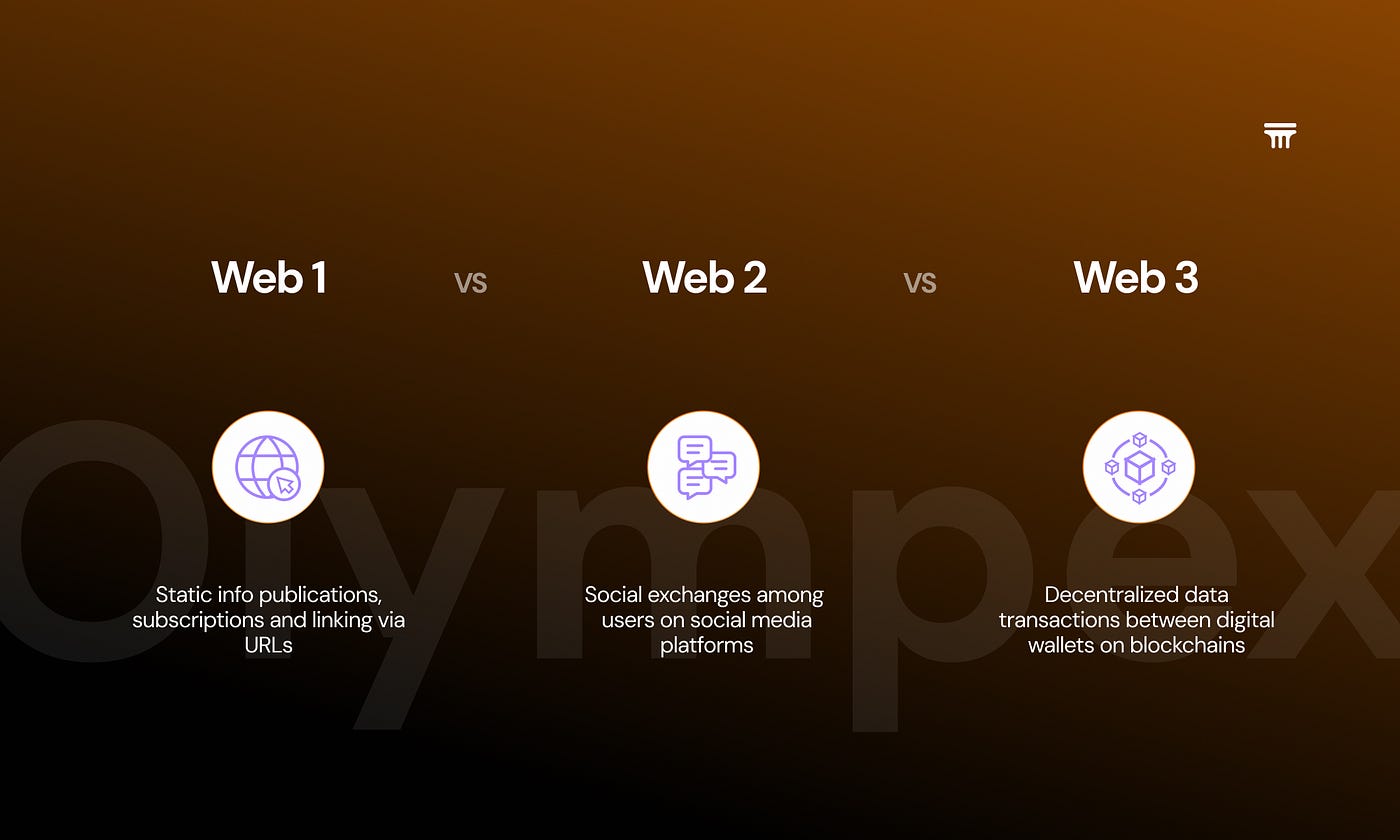
Why Web3 Social Networks Are Changing the Game
Unlike traditional platforms where companies control data, algorithms, and monetization, Web3 social media places ownership in the hands of users. Identity is tied to your wallet, not a corporate account. Rewards flow directly to creators from smart contracts, not through ad managers or sponsorship deals. And value is distributed across the community rather than concentrated in the platform’s treasury.
This shift transforms creators from passive participants into stakeholders. When you post, comment, or share, you’re not feeding an opaque algorithm, you’re contributing to an ecosystem that recognizes and rewards your activity. It’s a more transparent, inclusive, and economically aligned system.
To understand why decentralization matters in environments like these, you can later revisit our analysis in “The End of Centralized Trading”
The Platforms Leading the Web3 Creator Economy
A handful of decentralized social networks are already redefining how creators earn money online. Farcaster rewards participation through collectible posts and community-driven channels that generate on-chain fees. Lens Protocol turns social interactions into digital assets, where follows, reposts, and content collections carry real value. Friend.tech introduced a model where creators earn from tokenized access to private chats. And Minds pays users directly in tokens for engagement, providing a transparent alternative to ad-based monetization.
Each platform approaches the challenge differently, but the underlying philosophy remains the same: creators should benefit directly from the attention and community they generate.
How Monetization Works in Decentralized Social Media
In Web2, monetization is layered on top of the platform,controlled by algorithms, advertisers, and revenue-sharing programs that gate who earns and how much. In Web3, monetization is built into the fabric of the network.
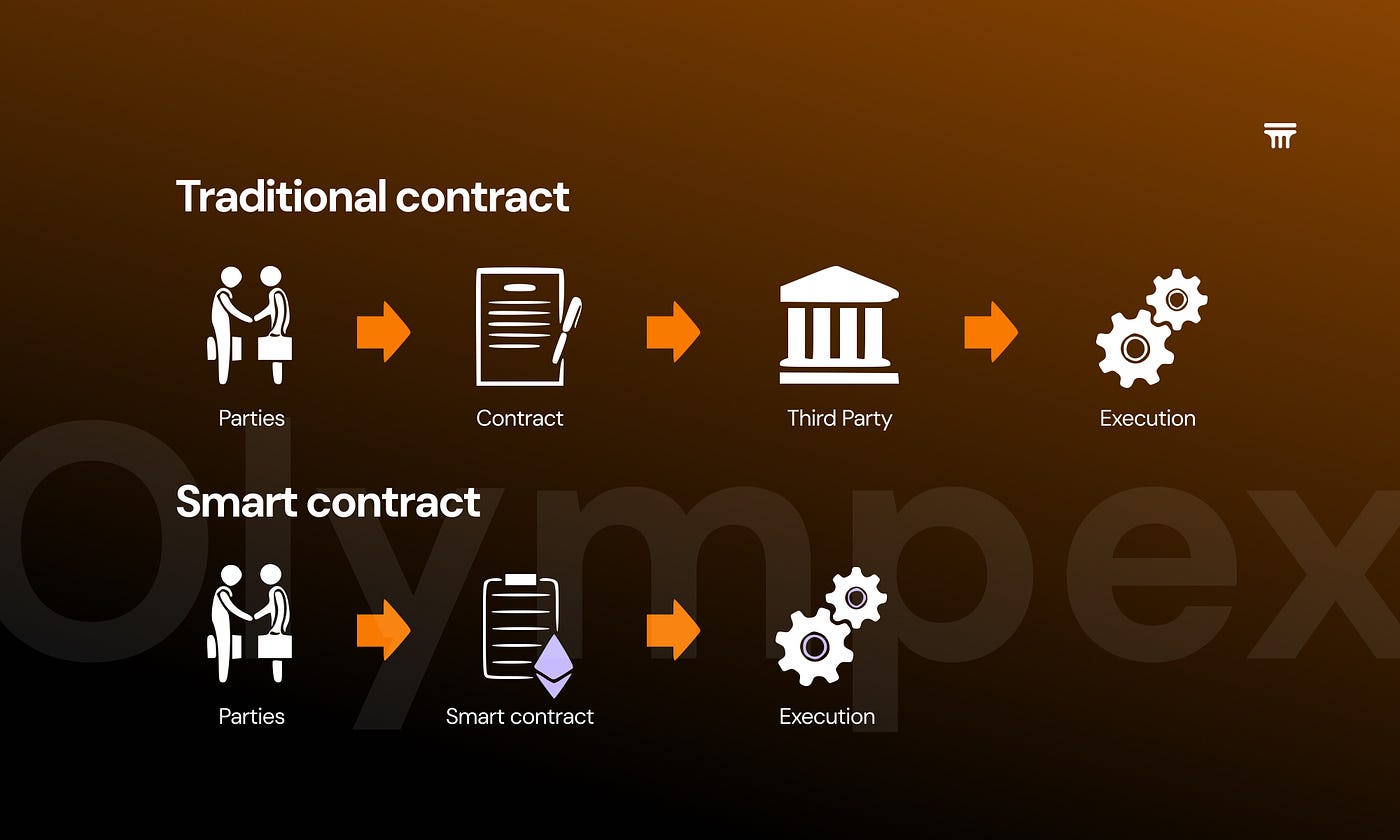
Every meaningful action, collecting a post, purchasing access to a creator’s channel, tipping, voting, or joining a community, can trigger automated payments. Smart contracts distribute earnings instantly, without negotiations, delays, or intermediaries. Creators earn directly from their audience, and audiences participate as economic contributors rather than passive spectators.
This model creates a much stronger incentive loop. Good content is rewarded automatically. Communities can sustain themselves financially. And because everything is transparent on-chain, creators finally gain visibility into how value moves around their work.
A New Set of Advantages for Creators
For creators, the benefits extend far beyond earning in crypto. They own their identity, rather than renting it from a centralized platform. They retain their audience no matter which app they use, because their social graph lives on-chain. They can earn from the moment they publish their first post, rather than waiting to hit follower thresholds or engagement minimums.
For users in developing markets, Web3 social media offers even more: access to global income without needing a bank account, credit system, or traditional payment rails. It democratizes monetization in a way Web2 never could.
To understand how transparency and user control strengthen systems like these, you can also connect this topic with
“Transparency Isn’t Optional Anymore”
Press enter or click to view image in full size
But Not Without Risks
Web3 social platforms are still in their early stages, and with innovation comes risk. Token incentives can fluctuate with market conditions, and some early projects have struggled to sustain long-term engagement. User experience often lags behind Web2 platforms, and the responsibility of wallet management introduces new security challenges. Creators must approach these ecosystems with curiosity, but also with caution, verifying platforms, securing private keys, and evaluating token incentives critically.
Creators Already Earning Real Income in Crypto
Despite being early, there are already thousands of creators generating meaningful revenue on Web3 platforms. Farcaster channels distribute fees to active contributors. Lens creators earn directly from content collections and on-chain subscriptions. Friend.tech has paid millions to creators simply for maintaining active communities and offering exclusive access. These early examples show that on-chain monetization isn’t theoretical, it’s happening now, and at scale.
Press enter or click to view image in full size
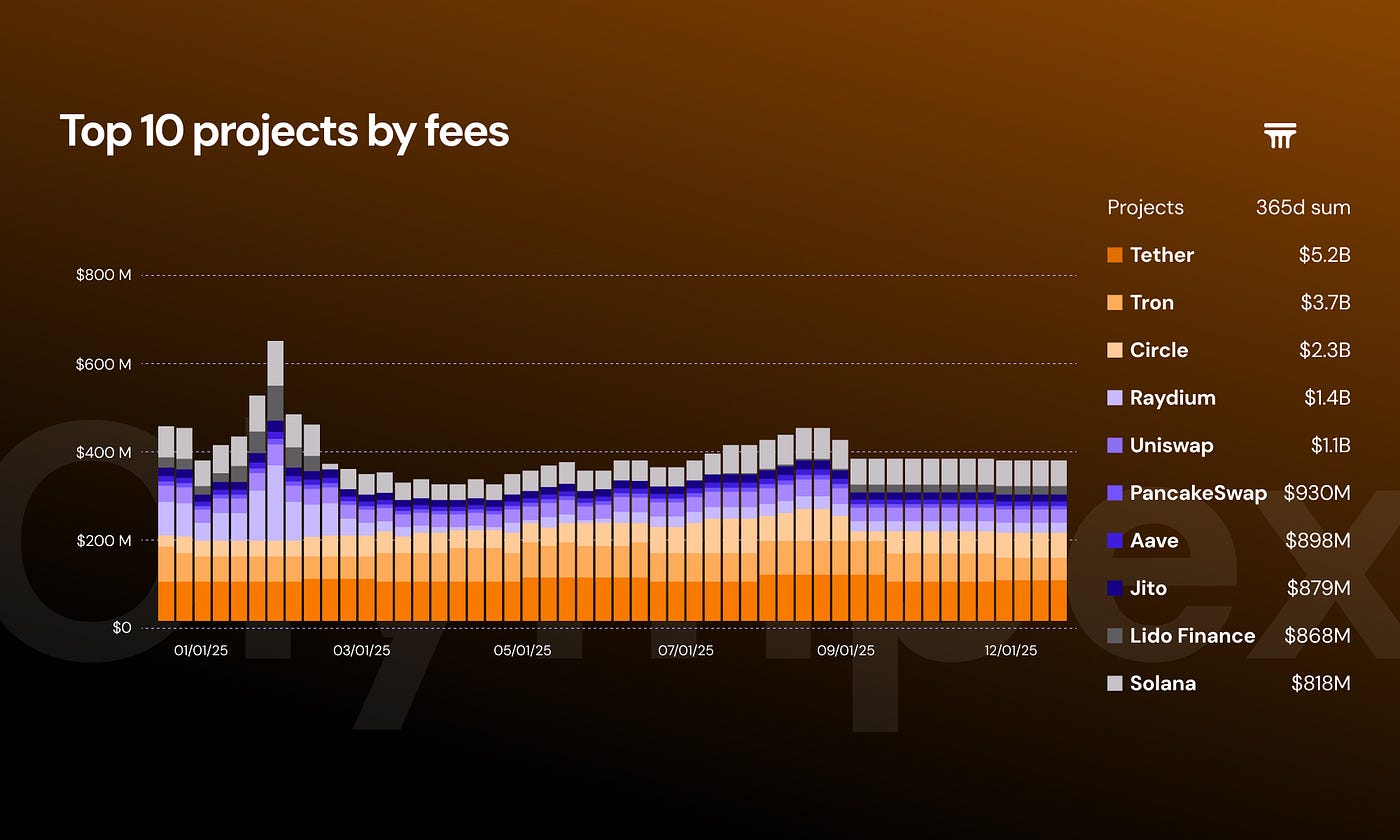
Source: https://tokenterminal.com/explorer/metrics/fees
The Future of Decentralized Social Media
If today’s Web3 social platforms are the first chapter, the story is only beginning. As decentralized identity becomes standard, as creator tokens and on-chain reputation systems evolve, and as more users embrace crypto-native networks, social platforms will shift from being ad-driven corporations to community-owned ecosystems.
In that future, creators won’t just earn from engagement, they’ll shape the economic models of the platforms themselves. Communities will own the networks they build. And the value of online social interaction will flow where it always should have: to the people who create it.
The era of scrolling for free is ending.
The era of earning while you scroll is already here.





