
Decentralized finance (DeFi) promises autonomy, transparency, and financial empowerment. Yet with this freedom comes responsibility. While audits, timelocks, and multisignature wallets (multisigs) are often touted as “security guarantees,” history shows they are not enough. Even high-profile, audited protocols have fallen victim to hacks, misconfigurations, and governance oversights.
In this post, we explore the limitations of standard security practices, examine real-world failures, and propose a framework for robust, transparent, and resilient infrastructure, highlighting a case study for secure DeFi design.
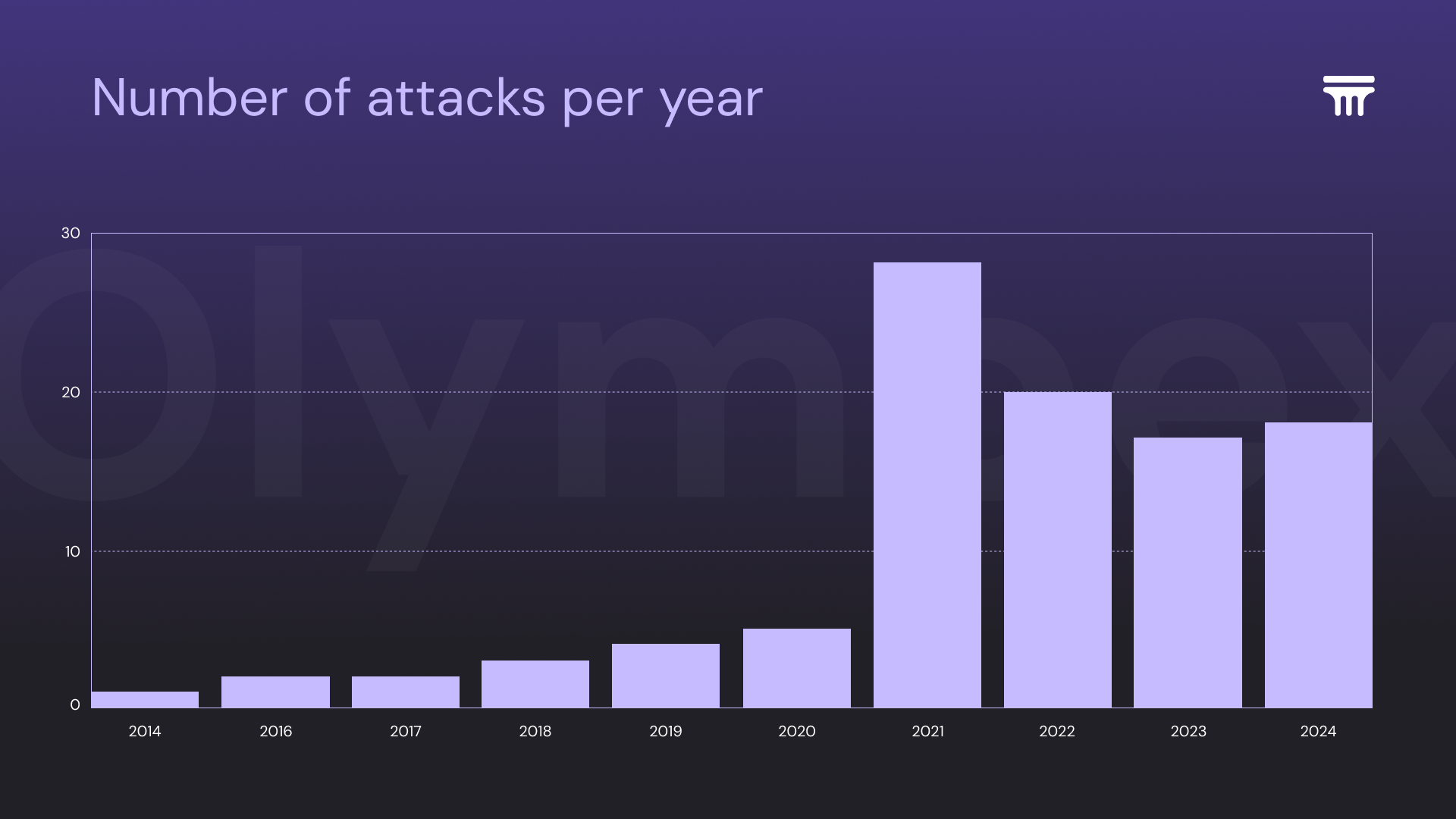
Halborn, “The Top 100 DeFi Hacks Report 2025”
The False Sense of Security
Many users equate “trustless” or “audited” with safe. Audits, timelocks, and multisigs are valuable, but relying solely on them creates a false sense of security.
- Audits review code at a point in time but cannot guarantee immunity from future exploits or human error.
- Timelocks delay protocol upgrades, giving a window to review changes, but cannot prevent insider abuse if governance is centralized.
- Multisigs distribute authority, but if signers are compromised or misconfigured, control remains concentrated.
The takeaway: security must be proactive, structural, and continuous, not reactive or symbolic.
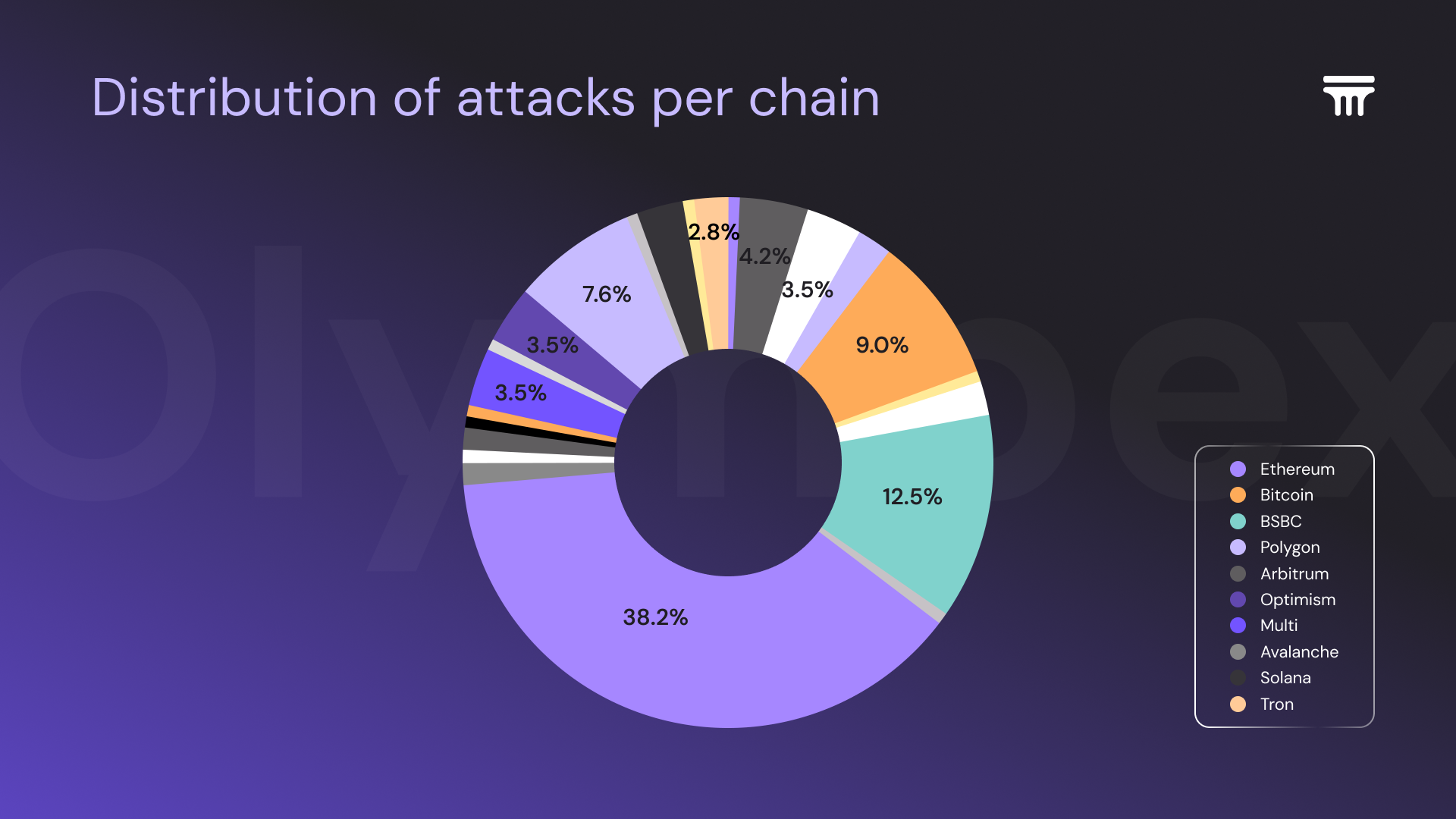
Halborn, “The Top 100 DeFi Hacks Report 2025”
Limitations of Standard Practices
Even when implemented correctly, standard tools have weaknesses:
1. Audits Aren’t Absolute
- Example: Protocols like Ronin and Wormhole were audited, yet still suffered massive exploits.
- Audits detect known risks, but cannot foresee new attack vectors or operational mistakes.
- Relying only on audits is like locking a door but leaving the windows open; security appears strong but vulnerabilities remain.
2. Timelocks Can Be Evaded
- Timelocks introduce delays between proposals and execution, giving observers time to detect suspicious changes.
- However, if governance procedures are unclear or emergency mechanisms fail, malicious actors can still bypass protections.
3. Misconfigured Multisigs
- Multisigs are designed to prevent unilateral decisions, yet they depend on how signers are selected, how keys are stored, and how voting thresholds are set.
- Cases exist where a single compromised signer allowed attackers to drain funds despite multisig controls.
Key Insight: Tools like audits, timelocks, and multisigs are necessary but insufficient. Security requires a holistic, multi-layered approach.
Lessons from Real Hacks
Examining real-world failures shows how limited standard practices can be:
- Ronin Bridge (2022): $625M stolen after attackers compromised a few validator keys. Timelocks and multisig checks did not prevent the exploit.
- Wormhole (2022): $320M lost due to a smart contract vulnerability, despite prior external auditing.
- Nomad (2022): $190M exploited from a misconfigured initialization; no standard safeguards could prevent it.
These incidents demonstrate that structural flaws, lack of transparency, and insufficient monitoring can undermine even “well-protected” systems.
Towards Transparent and Robust Infrastructure
To move beyond superficial security, protocols must combine standard practices with visible, resilient architecture:
Distributed Governance
- Multi-party decision-making spreads authority, reducing centralization risks.
- Timelocks remain useful but function better when users and auditors can observe proposals and review changes.
Roles, Permissions, and Fallback Mechanisms
- Clearly defined roles (admin, auditor, developer, validator) limit human error.
- Fallback mechanisms, such as emergency pauses and rollback protocols, ensure rapid responses to exploits.
- These measures protect funds even in complex or unexpected scenarios.
Layered Security Architecture
Security in DeFi is multidimensional:
- Execution Layer: Smart contracts audited and deployed securely.
- Validation Layer: State changes verified using zk-proofs or multi-party computation (MPC), minimizing trust in individual validators.
- Governance Layer: Multi-party oversight, timelocks, and transparent on-chain voting prevent centralization of power.
- Monitoring Layer: Continuous audits and real-time alerts detect suspicious behavior before it escalates.
Why it matters: Even if one layer is compromised, the others maintain the protocol’s integrity, ensuring resilience.
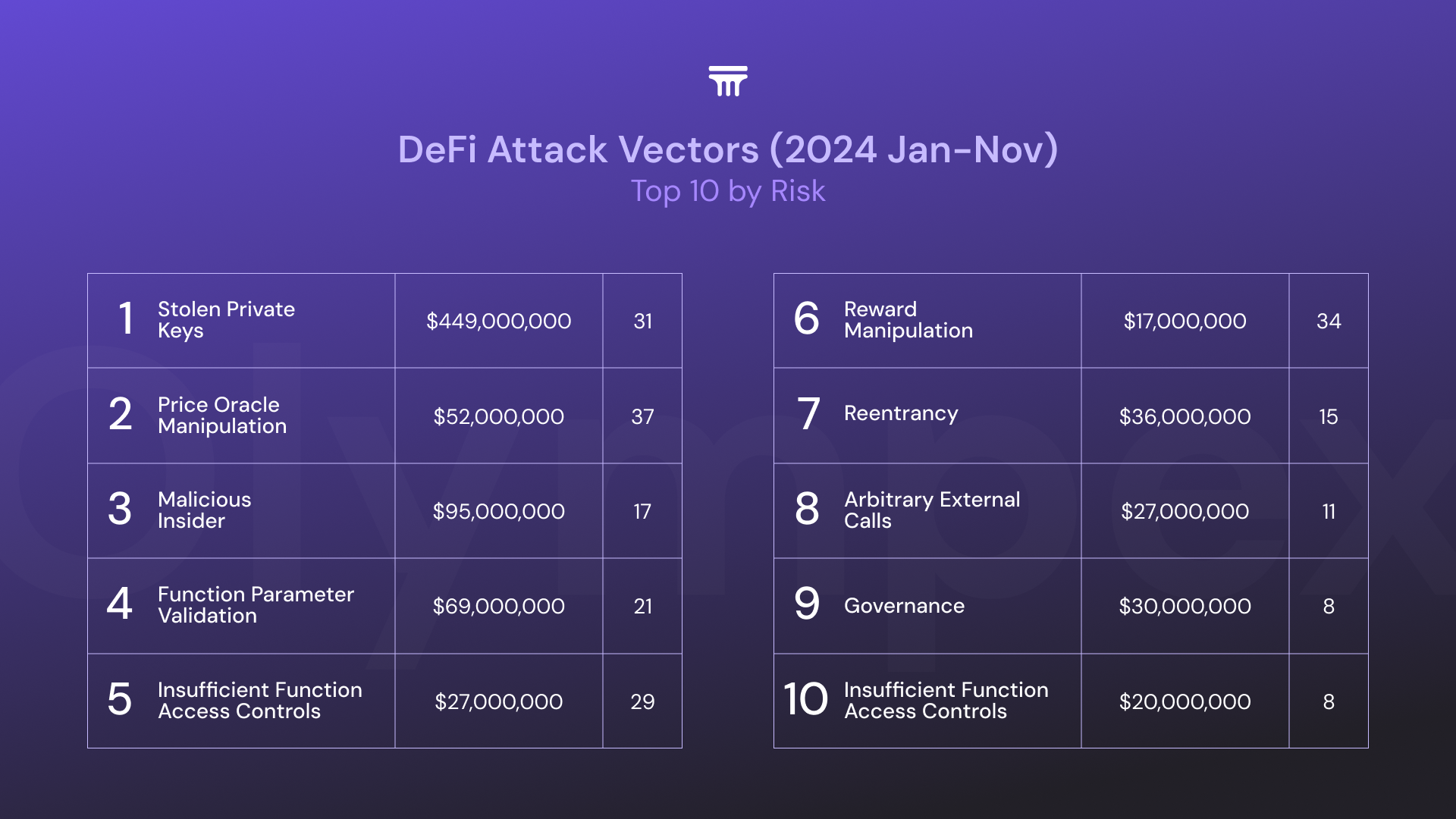
Three Sigma, “2024 Most Exploited DeFi Vulnerabilities”
Continuous Testnets and Monitoring
One-off audits are insufficient. Permanent testnets allow teams to simulate protocol upgrades safely:
- Developers and community members can test new features without risking mainnet funds.
- Continuous monitoring detects anomalies in real-time, complementing audits.
- Protocols implementing these measures give users confidence in ongoing system reliability, not just a snapshot in time.
Case Study: Olympex
Olympex exemplifies security as a structural principle, not a feature:
- Distributed governance minimizes single points of failure.
- Roles, permissions, and fallback mechanisms protect operational integrity.
- zk-proofs and MPC enhance validation while reducing trust assumptions.
- Continuous monitoring and permanent testnets enable proactive vulnerability detection.
Result: a protocol where security, transparency, and resilience are embedded into the infrastructure, not appended as marketing claims.
Conclusion: Security is the DNA of Sustainable DeFi
DeFi offers autonomy and financial freedom, but these benefits are inseparable from responsibility. Trust isn’t eliminated; it is redistributed. Users must understand who holds decision-making power, how changes are executed, and what safety nets exist.
Deeper Reflection:
- Examine protocol architecture, not just APYs or UX.
- Assess governance structures, timelocks, multisigs, and fallback mechanisms.
- Investigate how the protocol monitors activity and responds to threats.
- Evaluate adoption of zk-proofs or MPC to reduce reliance on intermediaries.
Protocols that embed security from the ground up are more likely to survive attacks, human errors, and market volatility. Conversely, those that rely on surface-level audits or delayed timelocks risk catastrophic failure.
Key Takeaway: Security is not an optional feature or a marketing slogan; it is the foundation that enables DeFi to grow responsibly and reliably. Participation in DeFi is more than asset management; it requires critical evaluation of where we place our trust.
The difference between platforms that endure and those that collapse is the depth and transparency of their structural security. Evaluating architecture, governance, and monitoring processes is as important as assessing returns.
Next time you choose a DeFi protocol, ask yourself:
- Is this platform designed to protect my funds structurally, or is it just marketing?
- Does it truly distribute power and implement resilient safeguards?
- Will it withstand future challenges without exposing me to avoidable risk?
In DeFi, true control starts with infrastructure you can trust, not just promises you hope for. Your autonomy, assets, and peace of mind depend on it.





