
Crypto rewards programs have quietly reshaped how people earn in the digital economy. Instead of relying on trading, speculation, or large upfront capital, these programs convert time, participation, and on-chain activity into measurable value. In traditional finance, users rarely receive direct compensation simply for using a service. In Web3, participation itself becomes an economic asset.
This shift mirrors a broader trend in crypto adoption. Just as exchange-traded funds lowered the barrier for traditional investors to access digital assets, rewards programs lower the barrier for users to participate meaningfully in decentralized networks. They allow people to earn not by predicting markets, but by contributing to the systems they use.
At their core, rewards programs are not giveaways. They are incentive engines. They strengthen liquidity, improve security, and transform users into stakeholders with aligned interests. When designed correctly, they create sustainable ecosystems where value flows in both directions.
How Crypto Rewards Programs Actually Work
Rewards programs exist to incentivize behaviors that make decentralized systems function efficiently. Different protocols reward different actions, but the underlying logic remains consistent. Users are compensated for adding value to the network. Staking rewards users who lock tokens to help secure blockchains and validate transactions. Liquidity incentives reward those who provide capital to decentralized exchanges, enabling smoother trading and lower slippage. Governance rewards encourage participation in decision-making processes that shape the future of protocols. Referral systems expand networks organically by rewarding users who bring in new participants.
These mechanisms are not marketing tricks. They are structural components of decentralized finance. Cross-chain ecosystems, for example, rely heavily on reward incentives to unify liquidity and encourage participation across multiple networks, as explored in Not Just Moving Tokens: Why Real Bridges Connect Experiences.
TVL in Staking (All Protocols)
Press enter or click to view image in full size
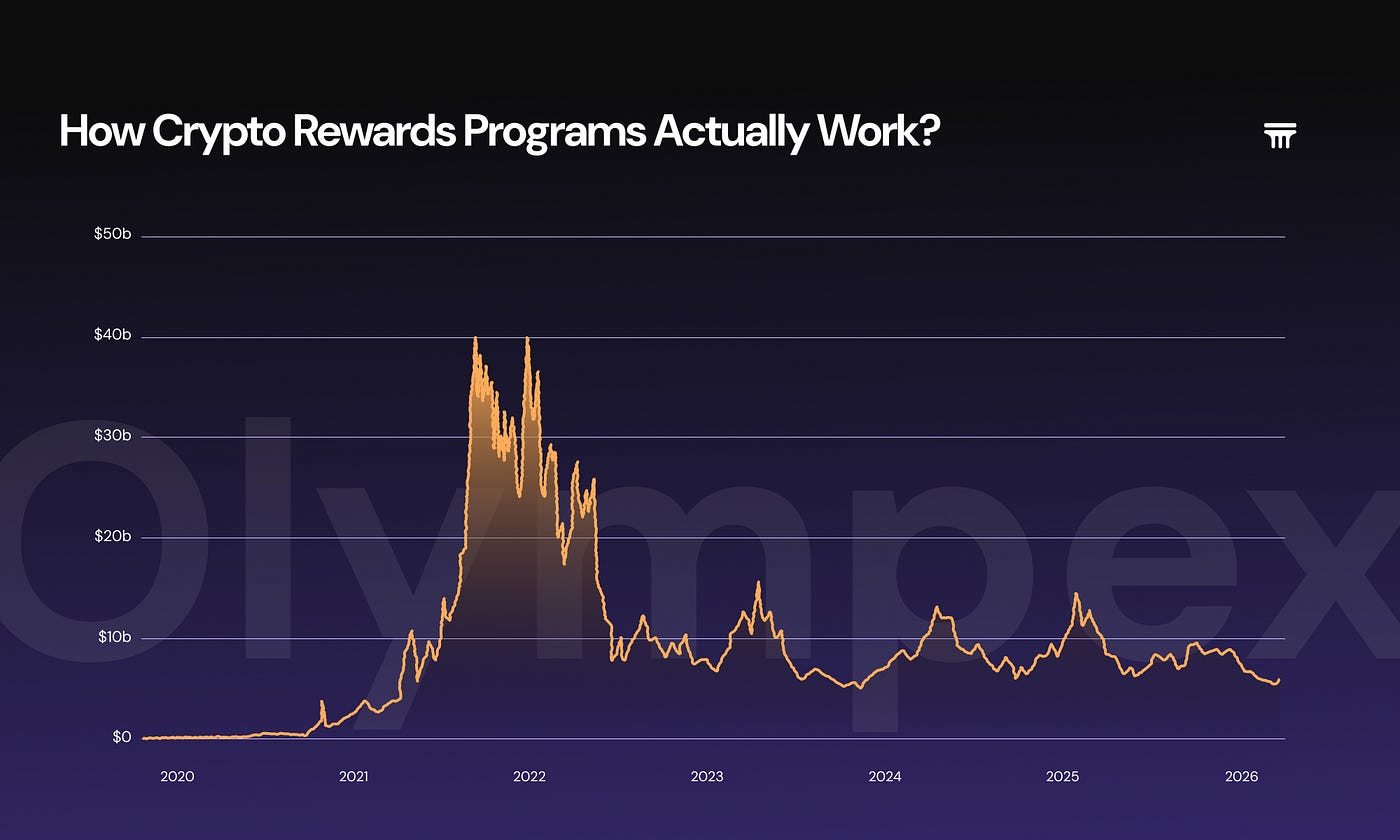
Source: defillama.com
How Rewards Are Calculated and Distributed
The way rewards are calculated depends on the role a user plays within a protocol. Proof-of-stake networks distribute rewards based on inflation schedules and validator performance. Liquidity pools distribute fees proportionally to liquidity provided. Some protocols allocate treasury-funded incentives to accelerate adoption or reward early contributors.
Despite these differences, the principle is the same. Rewards reflect contribution. Whether users contribute capital, security, activity, or governance input, compensation is tied to the value they help generate. Understanding this relationship is essential. Sustainable rewards are tied to real usage and economic activity, not unlimited token emissions.
Where Users Are Earning Rewards Today
Many of the most established blockchains and DeFi platforms rely on reward systems to maintain healthy ecosystems. Ethereum and Solana reward validators and delegators. Decentralized exchanges compensate liquidity providers. Layer-two networks distribute incentives to bootstrap activity and governance participation. Cross-chain protocols reward users for helping unify fragmented liquidity.
These programs often serve as onboarding paths for new users, allowing them to participate without heavy financial exposure. This transparency-driven approach aligns closely with the ideas discussed in The Risk Everyone in Crypto Knows and Still Ignores, where open incentives build trust and long-term engagement.
Press enter or click to view image in full size
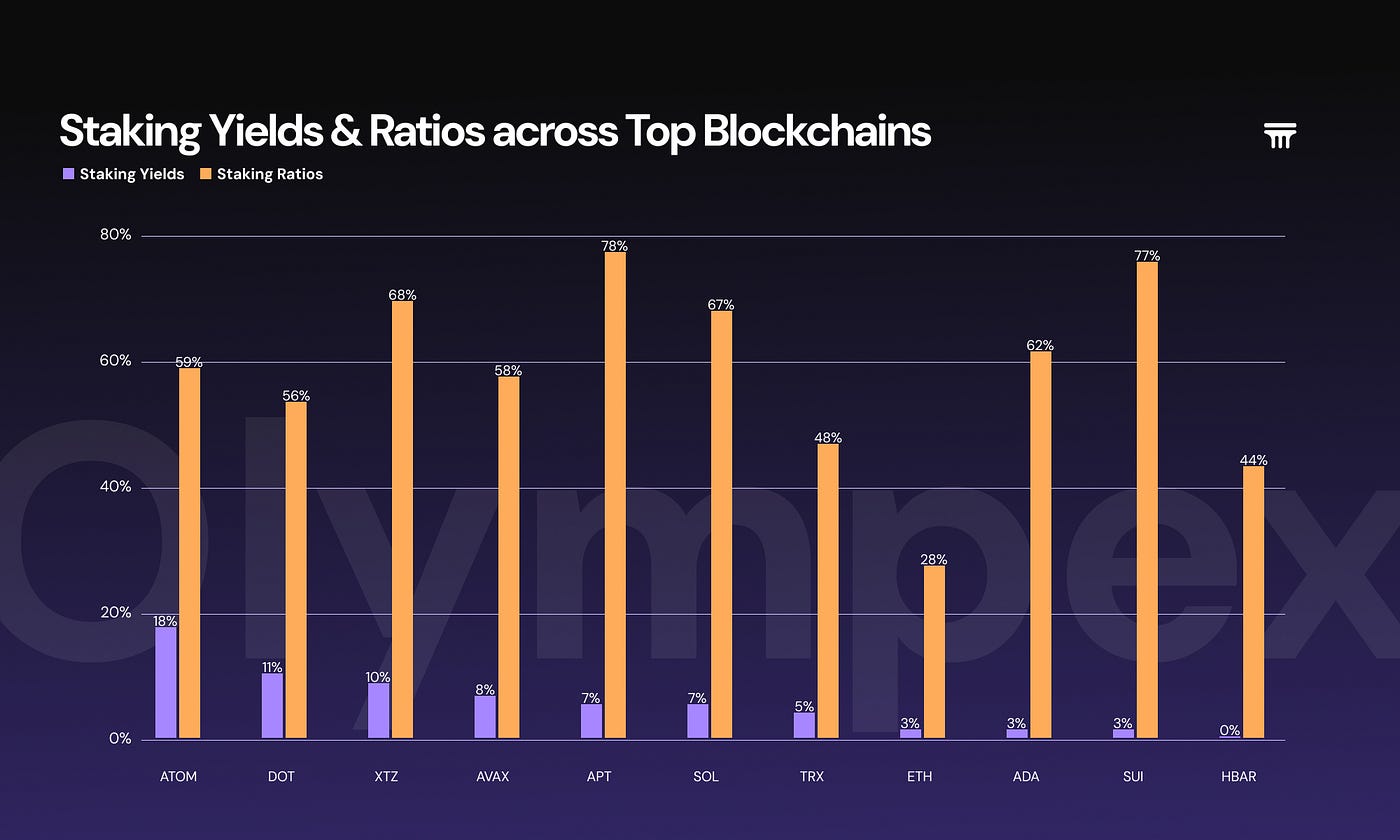
Staking rewards vary widely across networks, and higher yields often come with different participation dynamics. Looking at both staking yield and staking ratio helps explain where incentives are strongest and how much of a network is actively securing itself.
How to Earn Smarter Without Taking Excessive Risk
Maximizing rewards does not mean chasing the highest yields. Sustainable strategies focus on consistency, diversification, and risk awareness. Spreading participation across multiple reward types reduces exposure to volatility. Choosing protocols with strong security practices and transparent governance lowers smart contract risk. Long-term incentives often outperform short-lived high-yield programs.
Many experienced users also benefit from participating early in emerging ecosystems. This strategy closely resembles airdrop participation, where early engagement leads to outsized rewards. The same logic applies to market cycles, as explored in Understand the Cycles to Start Winning Before They Begin.
Press enter or click to view image in full size
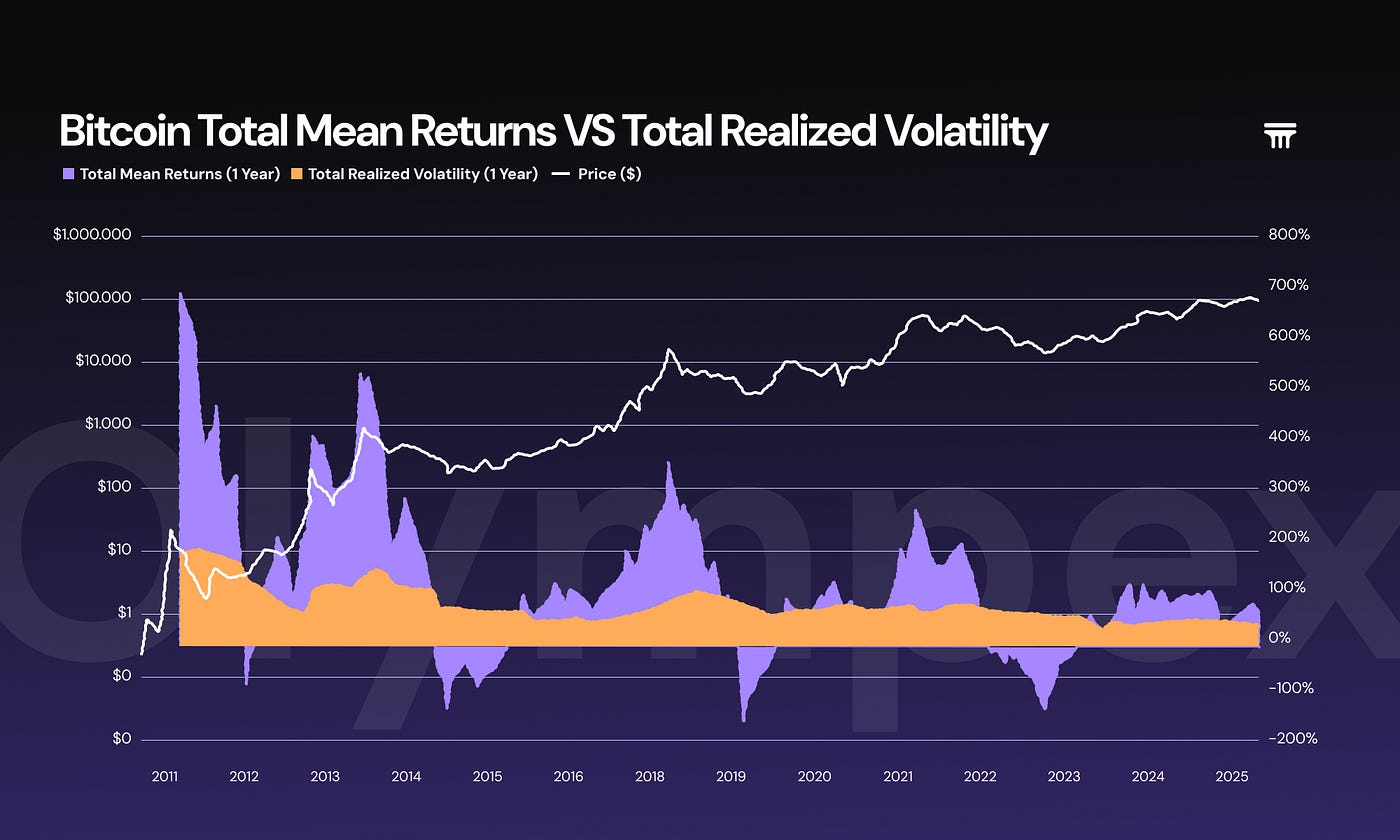
Long-term crypto returns are closely tied to volatility cycles. Periods of extreme price expansion often coincide with elevated risk, while more stable phases tend to favor consistent yield strategies such as staking and rewards-based participation.
Understanding this relationship helps explain why earning through structured rewards can outperform speculation during sideways or volatile markets.
Risks Every Participant Should Understand
Rewards programs are not risk-free. Smart contract vulnerabilities, market volatility, regulatory uncertainty, and unsustainable token emissions can all impact returns. Some programs offer high yields that depend entirely on inflation, which can quickly erode value.
Security-first thinking is essential. Users should verify contracts, understand permissions, and avoid programs that lack transparency. These principles are explored in depth in Safe or a Trap? It Is Your Money.
Building a Diversified Crypto Income Strategy
The most resilient approach combines multiple reward streams. Staking can provide stable baseline returns. Liquidity provision can enhance yield potential. Governance participation aligns users with long-term protocol growth. Referral programs create passive income through network expansion. Together, these mechanisms form a diversified income structure that adapts more effectively to market cycles than relying on a single source.
What the Future of Crypto Rewards Looks Like
Rewards programs are evolving beyond simple token emissions. Future systems will increasingly reward quality of contribution rather than raw capital. Identity-aware incentives, cross-chain participation, governance impact, and long-term engagement will play a larger role.
As networks mature, rewards will become more precise, more sustainable, and more closely aligned with real economic value. Participation will matter more than speculation.
Final Thoughts
Crypto rewards programs represent one of the most inclusive innovations in Web3. They allow users to earn by contributing rather than trading. They transform time, learning, and participation into economic opportunity. And they offer a path to income that does not depend on predicting markets.
In the next phase of crypto adoption, earning will be less about speculation and more about involvement. Those who understand how rewards systems work will be better positioned to benefit as decentralized ecosystems continue to grow.
Want to learn how to earn smarter in Web3, not harder?
Join the Olympex Telegram community to explore DeFi strategies, reward programs, and on-chain opportunities with builders and users focused on long-term value.





