
The rise of crypto ETFs has become one of the most significant shifts in digital asset adoption. For years, entering the crypto market meant navigating wallets, exchanges, private keys, and an entirely new financial architecture. But with the approval of spot Bitcoin ETFs, and soon Ethereum and multi-asset variants, a new era began: millions of investors can now access crypto through the same channels they use to buy stocks.
Crypto ETFs didn’t just open the door to mainstream adoption; they reshaped it. They introduced a regulated, familiar vehicle that lets investors gain exposure to digital assets without needing to become experts in blockchain or DeFi. This blog explores what crypto ETFs are, how they work, their benefits and limitations, and how they’re quietly transforming global finance.
Press enter or click to view image in full size
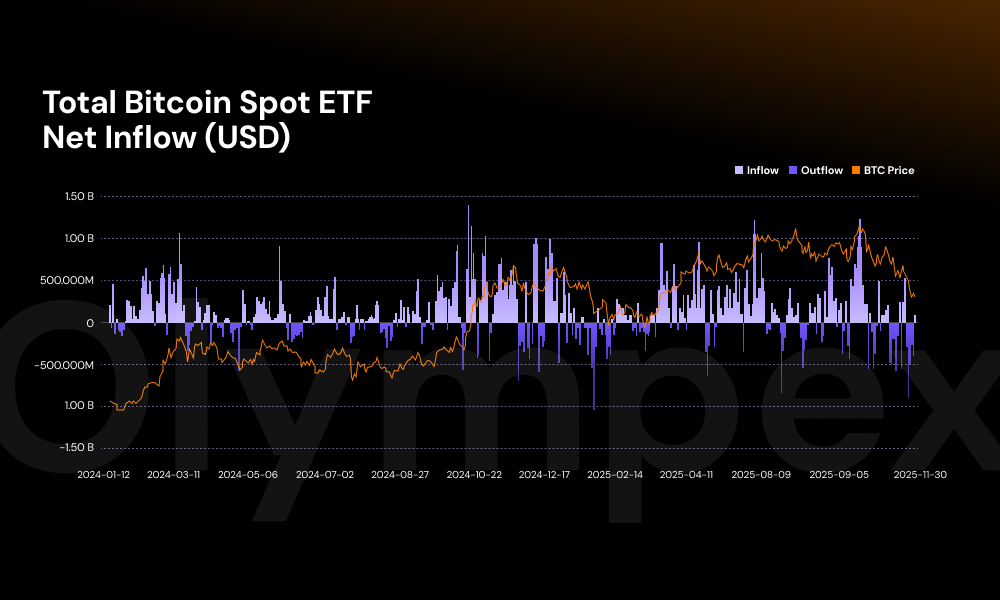
Source: https://www.coinglass.com/bitcoin-etf
The Boom of Crypto ETFs
When U.S. regulators approved the first spot Bitcoin ETFs, it instantly legitimized Bitcoin in the eyes of traditional finance. Institutions that had avoided crypto due to custody concerns or regulatory uncertainty suddenly had a compliant, audit-backed product they could integrate into portfolios.
This shift produced historic inflows, with ETFs like IBIT and FBTC becoming some of the fastest-growing financial products of the decade. What began as a crypto milestone quickly evolved into a broader economic signal: digital assets were no longer peripheral, they were becoming part of the global financial infrastructure.
What Is a Crypto ETF and How Does It Work?
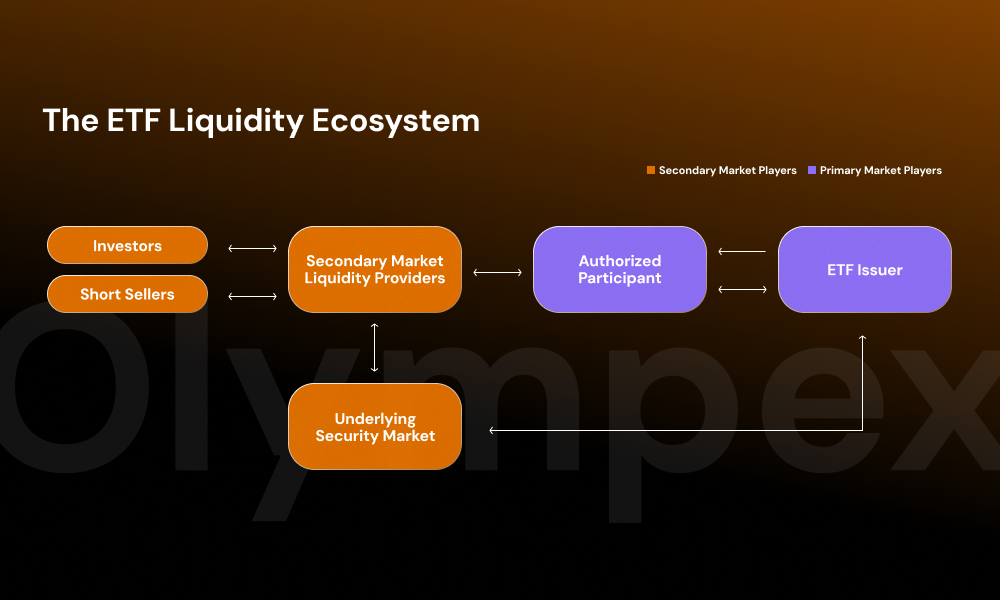
A crypto ETF is a regulated investment fund that mirrors the price of a cryptocurrency. Instead of purchasing BTC or ETH directly, investors buy shares that represent a claim on the fund’s underlying assets.
Behind the scenes, it works like this:
1. The ETF issuer acquires Bitcoin or another crypto asset.
2. A licensed custodian holds these assets securely.
3. The fund issues shares to the public.
4. Investors buy and sell these shares on traditional exchanges.
This structure allows anyone, from retail investors to pension funds, to gain exposure to crypto without wallets, private keys, or on-chain interactions.
To understand how this compares to decentralized trading, you may want to connect it later with our article:
“The End of Centralized Trading”
Press enter or click to view image in full size
Advantages Over Direct Crypto Purchases
Crypto ETFs have surged in popularity because they make investing drastically easier for traditional users. Instead of navigating crypto exchanges, investors can simply buy shares through their regular brokerage accounts, the same way they buy stocks or commodities.
The advantages include:
Accessibility: No need for wallets, seed phrases, or on-chain transactions.
Regulation: ETFs follow strict rules enforced by regulators like the SEC.
Smoother tax handling: Clear reporting makes compliance straightforward.
Liquidity: Market makers maintain tight spreads and reliable execution.
For many investors, especially institutions, ETFs provide a safe, familiar way to enter the market without having to master blockchain infrastructure.
Risks and Limitations to Consider
ETFs, convenient as they are, aren’t a perfect substitute for holding crypto directly. When you buy an ETF, you’re buying shares of a fund, not the actual asset itself. That means you can’t use the underlying crypto in DeFi, stake it, or move it on-chain. You also pay management fees for the service, and unlike the 24/7 nature of crypto markets, ETFs only trade during traditional market hours. At times, their price can even drift slightly from the true spot value of the asset they track.
These limitations reveal the real tradeoff: ETFs offer simplicity and structure, but at the expense of autonomy and full on-chain utility. If you want to explore why transparency and custody matter in this context, consider revisiting our article:
“Transparency Isn’t Optional Anymore”
Press enter or click to view image in full size
How Crypto ETFs Are Driving Mass Adoption
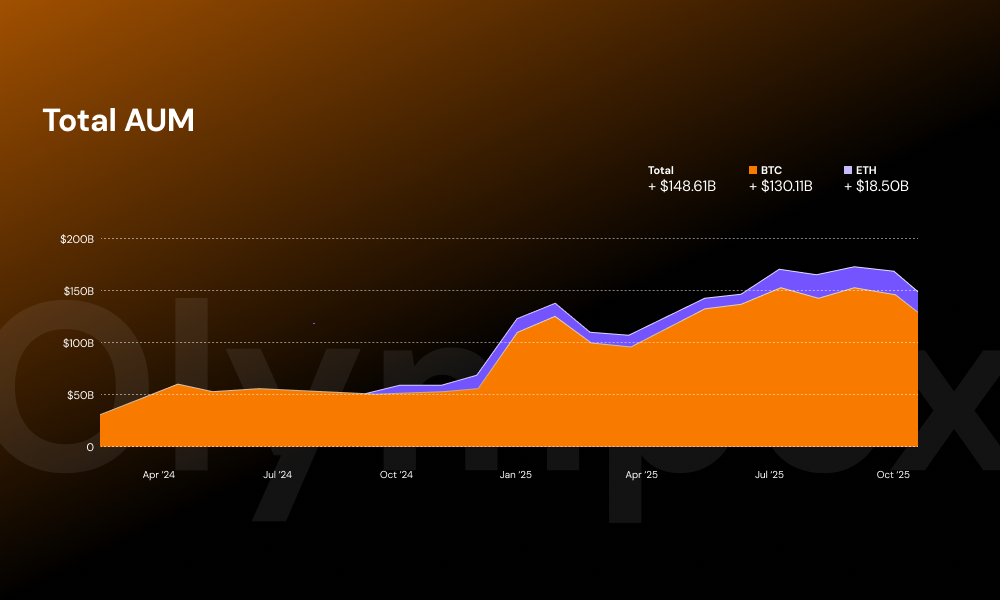
What truly sets crypto ETFs apart isn’t just their convenience, it’s the credibility they bring. When names like BlackRock, Fidelity, ARK, and Franklin Templeton began managing billions in Bitcoin and Ethereum ETF assets, the perception of crypto shifted. These firms bring regulatory oversight, institutional security, and a level of trust that retail markets alone could never generate. As a result, crypto is no longer framed only as a speculative bet or a niche technology. It’s increasingly viewed as a legitimate asset class, one that sits comfortably beside commodities or global equities. For many investors, buying an ETF becomes their first real step into digital assets, and for the crypto ecosystem, it signals a structural transformation in how capital flows into the market.
Real Examples of Crypto ETFs Around the World
Crypto ETFs have moved far beyond the U.S. The American spot Bitcoin ETFs, such as IBIT, FBTC, and ARKB, remain the most widely discussed, but the trend is global. Canada was an early pioneer with products like the Purpose Bitcoin ETF. Europe now offers a broad selection of ETPs tracking Bitcoin, Ethereum, and even multi-asset baskets. Hong Kong has introduced regulated ETFs for both Bitcoin and Ethereum, expanding access across Asia. Each region contributes its own regulatory clarity, and together they’ve opened the doors for entirely new categories of investors to participate in the crypto market.
How to Invest in a Crypto ETF: A Simple Breakdown
Investing in a crypto ETF is intentionally straightforward, designed to mimic the process of buying any traditional financial asset. You begin by opening an account with a brokerage such as Fidelity, Schwab, Vanguard, or Interactive Brokers. Once inside, you search for the ETF ticker, IBIT, FBTC, or ARKB, for example, and purchase shares just as you would buy stock in a company. From there, you monitor its performance relative to the underlying crypto asset and rebalance your portfolio as your risk tolerance evolves. This familiar process is exactly why ETFs have become the entry point for so many first-time crypto investors.
ETF vs. DeFi: Two Different Ways to Enter the Market
Although ETFs and DeFi offer exposure to the same underlying assets, they reflect two very different philosophies. ETFs provide a regulated, convenient experience that appeals to newcomers who want simplicity and institutional safeguards. DeFi, on the other hand, offers full control, yield opportunities, and the transparency of on-chain execution. They aren’t competitors; they’re complementary. ETFs bring people into the ecosystem, while DeFi shows them what’s possible once they want autonomy and utility.
What’s Coming Next: The Future of Crypto ETFs
The first wave of Bitcoin spot ETFs was only the beginning. The next generation will likely include Ethereum spot ETFs, staking-enabled ETFs, DeFi index products, tokenized real-world asset funds, Layer-2 ecosystem baskets, and diversified cross-chain portfolios. As regulation continues to mature, ETFs will probably remain the default entry point for most new investors, while DeFi becomes the natural next step for those who want deeper functionality and true ownership. Together, they represent the two sides of a financial future where traditional and decentralized systems increasingly converge.
Final Thought
Crypto ETFs offer a simpler, safer, and more familiar way for millions of investors to enter the digital asset market. They combine the performance of crypto with the structure of traditional finance, reducing friction and creating a new doorway to adoption. But the real potential still lies in the decentralized systems behind them, systems that platforms like Olympex aim to make accessible, transparent, and user-friendly for everyone.
As the line between TradFi and DeFi fades, the real opportunity will belong to those who understand both worlds. Olympex builds the infrastructure for that convergence: Where transparency meets intelligence.





