
Are You Really in Control? Rethinking Trust in DeFi Protocols
For years, decentralized finance (DeFi) has been framed as a “trustless” ecosystem, a space where code replaces intermediaries and individuals finally reclaim full control over their assets. The idea is appealing: no banks, no brokers, no middlemen, just you and the protocol.
But is that really how it works? If we peel back the layers of many so-called decentralized protocols, we discover a more complex reality. Admin keys, governance tokens, validators, and even auditors hold varying degrees of power over how a protocol functions. Rather than being eliminated, trust has shifted into new, less visible forms.
This post takes a closer look at how much control users really have in DeFi, why the “trustless” narrative can be misleading, and how projects are rethinking decentralization to reduce hidden points of failure.
The Myth of “Trustless” DeFi
DeFi markets themselves as eliminating the need for trust, but no protocol operates in a vacuum. Behind the scenes, many still rely on mechanisms that introduce human or organizational control:
- Admin Keys and Emergency Controls: Many protocols keep “pause” or “upgrade” functions in case of vulnerabilities. While useful for security, they also concentrate power in whoever holds those keys.
- Governance Token Centralization: In practice, governance often isn’t fully distributed. A handful of whales or venture funds may control the majority of voting power.
- Validator Dependence: Networks advertised as decentralized sometimes rely on a small number of validators, creating potential chokepoints.
In other words: instead of being trustless, users must trust the developers, governance participants, or validators who hold these levers of power.
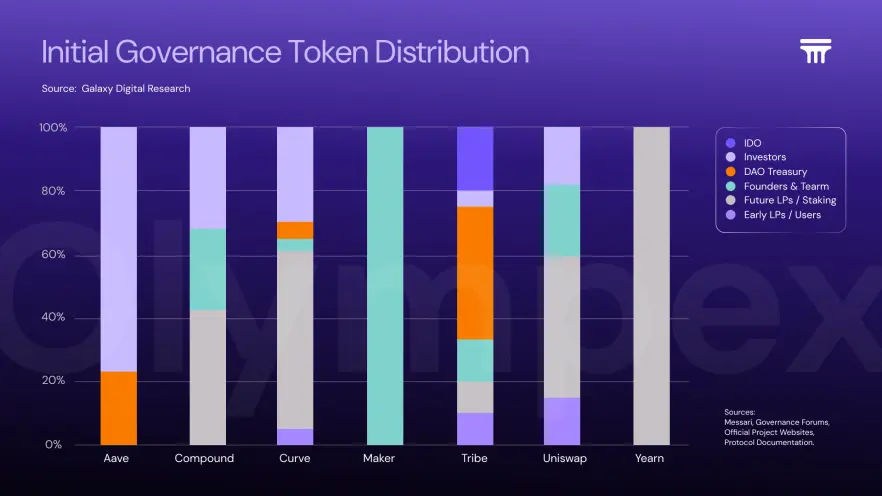
“As shown in the MakerDAO chart, a large portion of the initial supply was concentrated in just a few hands, raising doubts about true decentralization in the early stages.”
Who Watches the Watchers? The Audit Dilemma
Audits are often treated as the ultimate seal of approval for smart contracts. But audits themselves introduce another layer of trust that deserves scrutiny:
- No Audit Is Perfect: Even audited protocols have been hacked, proving that audits can reduce but never eliminate risk.
- Who Hires the Auditor? Since audits are commissioned by the project itself, there’s always a potential conflict of interest. An overly critical report could cost the auditor future clients.
- Upgrade Loopholes: Even after an audit, if developers retain the ability to upgrade contracts, the audited version may not reflect what actually runs later.
This leads us to an uncomfortable question: if we rely on auditors, who is holding them accountable?
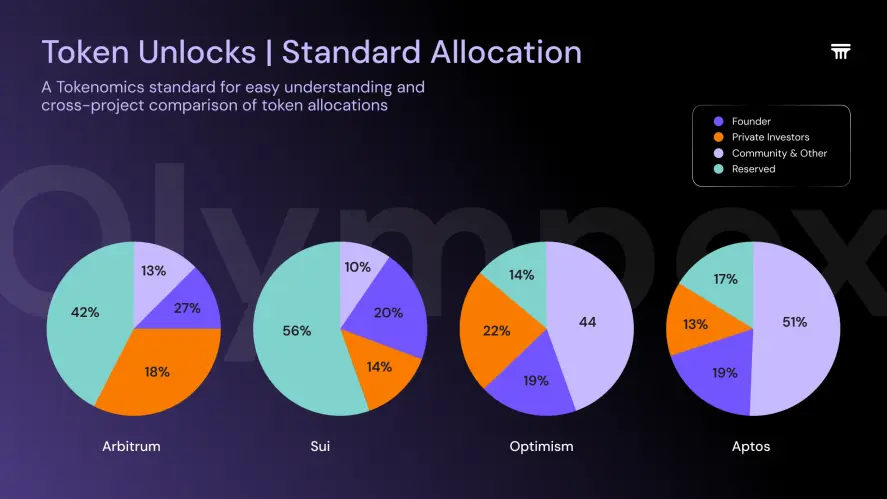
“The evolution of token unlocks reflects that, despite greater community incentives, a significant portion remains in the hands of insiders, raising questions about the degree of decentralization in governance.”
When Trust Breaks: High-Profile Cases in DeFi
DeFi history is littered with cautionary tales where hidden trust assumptions failed:
- Multichain (2023): Once one of the largest bridging protocols, it effectively collapsed when its core team disappeared. Users realized too late how centralized its operations really were.
- Mango Markets (2022): A governance manipulation exploit drained over $100M. The attack was technically a “vote,” exposing how a concentration of governance tokens can destabilize an entire ecosystem.
- Compound GA (2021): A buggy upgrade distributed millions in tokens by mistake. Because governance was slow to respond, the issue dragged on for days, showing how “decentralized” decision-making can struggle under pressure.
Each incident underscores a core lesson: centralization — even partial or hidden — creates systemic risk in DeFi.
Rethinking Trust: What Real Decentralization Could Look Like
If total trustlessness is a myth, what’s the realistic path forward? Instead of eliminating trust entirely, protocols can design systems where trust is minimized, distributed, and transparent. Some best practices include:
- Multi-Signature Governance: Requiring multiple independent parties to approve upgrades or emergency actions.
- Transparent, On-Chain Voting: Allowing users to see exactly how governance decisions are made, and holding token holders accountable.
- Modular Security Layers: Separating functions like consensus, validation, and execution so one bug doesn’t compromise the entire system.
- Time-Delayed Upgrades: Giving users a warning and the ability to exit if they disagree with changes.
This approach doesn’t deny that trust exists; it acknowledges it, and works to spread it across a wider base so no single actor can unilaterally compromise the protocol.
The Olympex Approach: Distributing Power by Design
At Olympex, decentralization isn’t just marketing; it’s baked into how the platform operates. By studying the failures of past protocols, Olympex integrates mechanisms that reduce hidden risks and distribute trust more evenly:
- No Single Point of Control: Upgrades and governance require distributed participation, not unilateral action.
- Independent Watchers: Real-time monitoring by separate entities helps catch anomalies before they cause damage.
- Layered Security: Smart contract audits, governance checks, and multi-party signing ensure no single mechanism decides the fate of the protocol.
- Future-Proofing with zk-Proofs: Research into trust-minimized cryptographic proofs aims to reduce reliance on external validators or committees further.
This combination means that when users interact with Olympex, they’re not just told they’re in control; they actually retain meaningful control.
Conclusion: Are You Really in Control?
DeFi has always promised to put power back into the hands of users. But the reality is more complex: trust never disappears; it shifts. Today, it often shifts from banks to developers, auditors, and governance token holders. Whether that’s an improvement depends on how consciously that trust is managed.
Suppose we want DeFi to live up to its ideals truly. In that case, we need to stop pretending it’s perfectly trustless and instead focus on building systems where trust is minimized, distributed, and transparent. That means asking uncomfortable but necessary questions:
- Who holds the keys?
- Who can upgrade or pause the contracts I rely on?
- How distributed is governance, really?
- If something goes wrong, who has the power to fix it and who benefits?
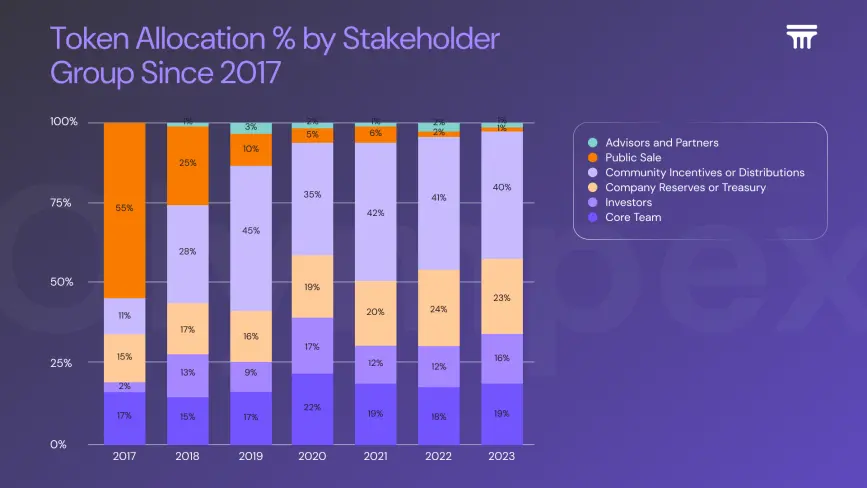
“The shift in token distribution, as shown in the chart, signals that the ecosystem is learning: prioritizing community and long-term resilience is key for a stronger DeFi.”
By demanding honest answers, users push the industry toward stronger, fairer models of decentralization.
As participants in DeFi, our responsibility is not blind trust in “trustless” protocols, but conscious choice of platforms that reflect real decentralization. The next time you choose a protocol, ask: Are you truly in control, or just trusting someone new?





