
Following on from my previous post (which you can view here) I decided to put together a virtual photographic walk-through of my encounters with some reptiles and amphibians that were markedly absent on my last trip. I'll be breaking theses up into a few posts. I hope you enjoy them.
I think a lot of people overlook reptiles and amphibians role in the food chain and ecosystems in general. They constitute a large portion of the food intake for birds, mammals and even other reptiles (yes - some snakes eat other snakes and frogs). Frog and toad eggs as well as tadpoles are consumed in large quantities by fish and crustaceans. Snakes have a very bad reputation with a lot of people who don't like them out of fear and phobia, I used to be one of them, but they help control rodent populations around the world, especially in farming lands. The ecological value (and economic value) that these animals provide are not well acknowledged by the general public.
So let's have a look at some of these beautiful creatures.
Tortoises and Terrapins
The Angulate Tortoise
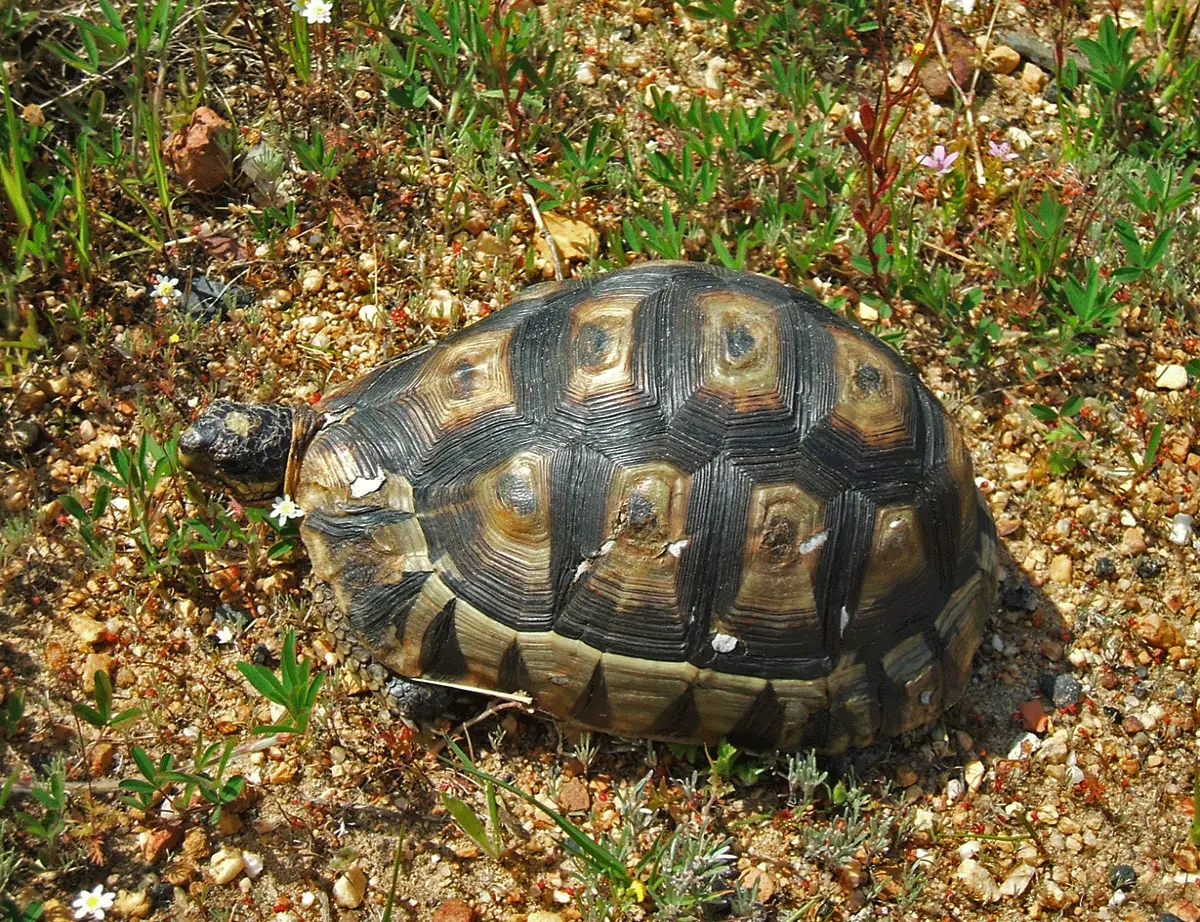
This is the Angulate Tortoise. They are a sand loving tortoise that grows to about 20cm. The have a varied diet and quite possibly assist in seed dispersal of plants. I have read that they drink water through their noses, but I've never witnessed this personally. I would imagine it to be quite uncomfortable.
Many tortoise species are at risk from illegal collection from their natural habitat for the black market reptile trade, for food (in some places they are a favourite food) and from uninformed people who pick them up along roads and taking them home. In most areas of South Africa permits are required to keep captive reptiles.
The Marsh Terrapin
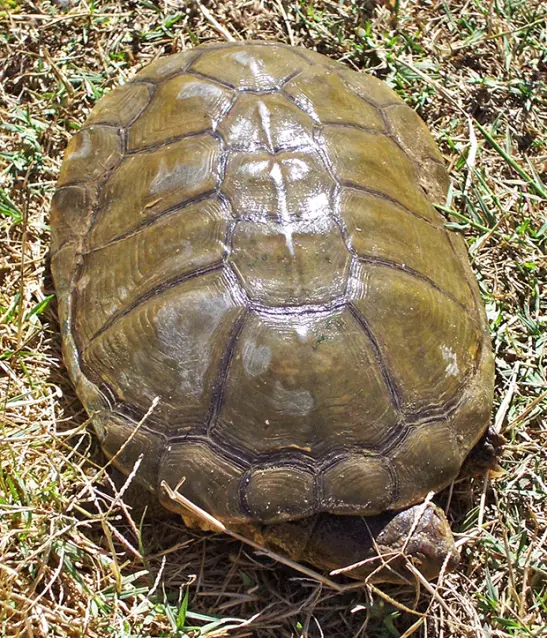
This is the flatter version of it's 'cousin' we just had a look at - it's called a Marsh Terrapin. They live in areas where there are fresh water rivers or lakes and can grow surprisingly large - larger than a dinner plate. They hibernate through winter underground and when the weather warms up they emerge. As much as they are pretty to look at, they are one of the smelliest animals I have encountered but I think they make up for this in sass and attitude (and a ridiculous appetite). The hatchlings are tiny (approximately 5cm) in comparison to the size they can reach. Here below is a hatchling that was released again after some photographs were taken.
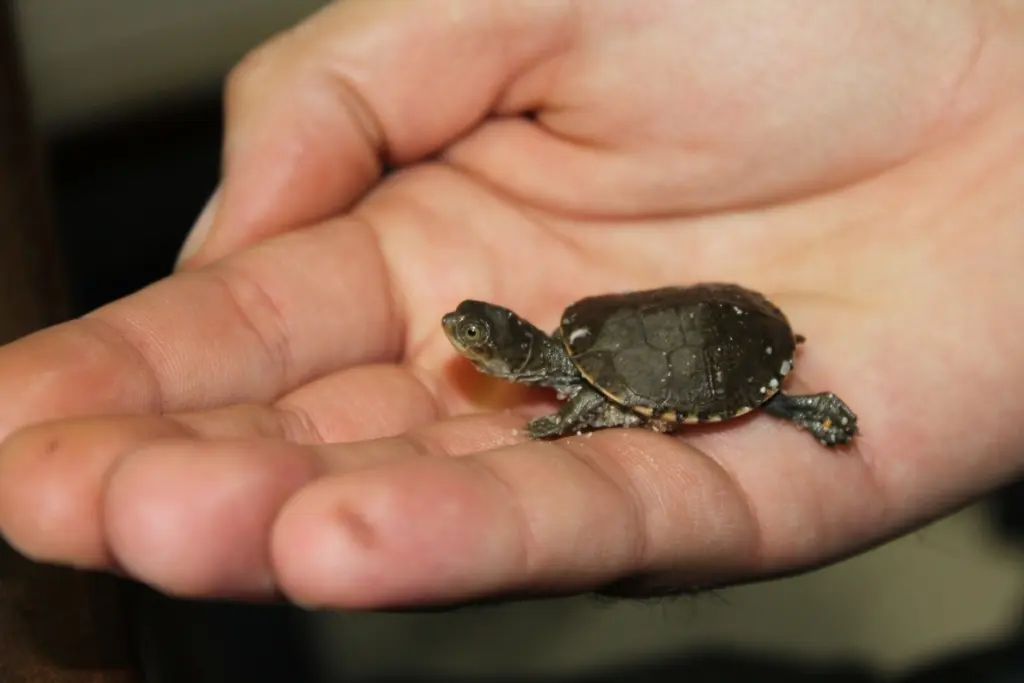


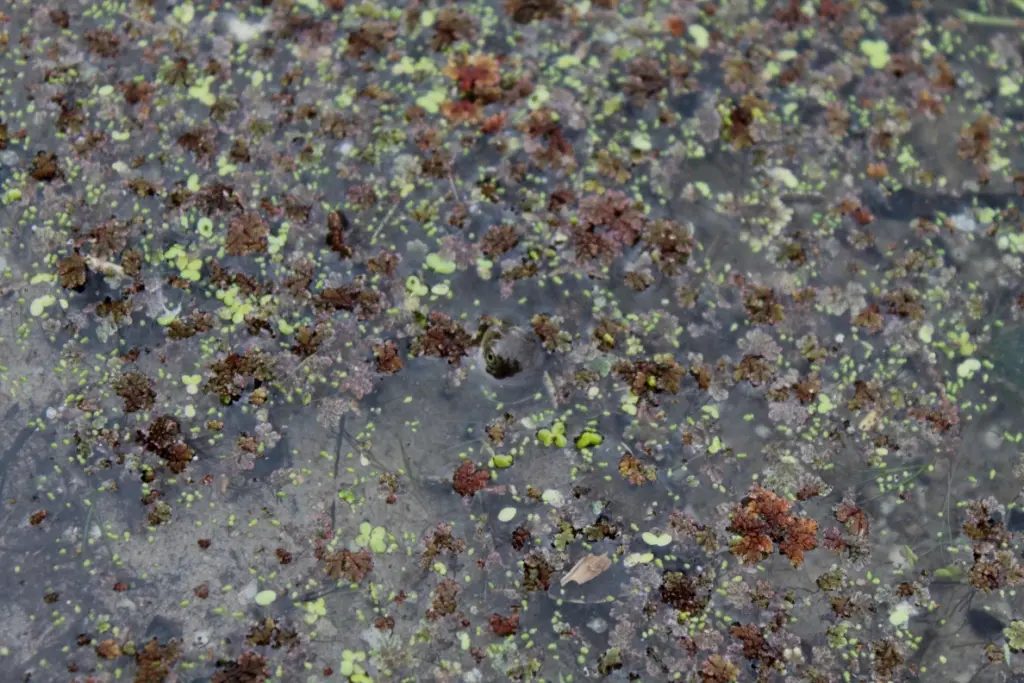
He/she ran to the water and once in, became almost indistinguishable from the surroundings. As they are ambush predators, any insect landing on the water's surface is fair game. They are very accurate and have strong jaws. They will eat pretty much anything that moves in or on the water that they can fit their jaws around.
These are a different species to the red-eared terrapin which is sold in the pet trade. The red-eared terrapin is considered an invasive alien species here and if released into natural areas can become problematic as a competitor to this indigenous species of terrapin.
I hope you enjoyed the pics and stay tuned for part 3 - more reptiles and frogs.
As always - comments are welcome and any likes and tips are greatly appreciated. Here's a pretty flower to end off :)






