
Growing indoor strawberries is a big passion of mine, and I love sharing all I know with other fans of delicious sweet fruits. With over 20 years of software development experience and a strong focus on sustainability, I've found a way to combine my tech background with my love of farming to create an innovative approach to growing these delicious berries.
The best reason to grow indoor strawberries is eating them! You can have fresh, organic strawberries year-round, regardless of the weather outside. In addition, indoor farming is more environmentally friendly, using less water and producing fewer greenhouse gases than traditional farming methods.
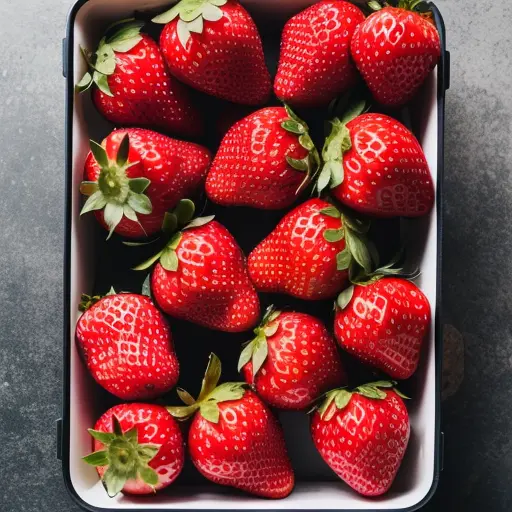
To start, it is important to choose the right variety of strawberry for indoor growing. Some of the best varieties for indoor growing include Alpine, Quinault, and Mara des Bois. Next, choose a location with plenty of windows or invest in grow lights since indoor strawberries require a lot of natural light to grow. The ideal temperature for indoor strawberries is between 60-80°F, so choose a location that stays within that range.
High-quality soil is essential for growing healthy indoor strawberries. Use a soil mix that is rich in organic matter, such as peat moss or compost. Once you have your location and soil ready, it's time to plant your strawberries. Plant them in a container that is at least 6 inches deep, with drainage holes to prevent waterlogging. Alternatively, you can use a hydroponic system if you prefer.
Tips for Soil
Soil is very important for growing good strawberries. You need to ensure you have the right PH balance and the right mix of materials. Cheap "soil" mixes might be 90% clay, which strawberries have a hard time rooting through.
It is important to avoid using soil that is too heavy or dense, as it can lead to waterlogging and root rot. Additionally, the soil should have a pH between 5.5 and 6.5, as this is the ideal range for strawberry growth. Before planting, ensure that the soil is well-draining and free of any debris or large clumps. Lastly, it's important to regularly test the soil's nutrient levels and adjust as necessary to ensure optimal growth and fruit production. With the right soil mix and regular maintenance, you can grow healthy and delicious indoor strawberries.
To adjust the soil for optimal growth and fruit production, you can add various soil amendments. For example, adding compost to the soil can improve soil structure, provide nutrients, and increase water retention. Vermiculite or perlite can also be added to improve drainage and aeration. Additionally, incorporating organic fertilizers like bone meal or fish emulsion can provide a slow release of nutrients to the plants.
When adding stuff to your soil, be sure to follow the recommended application rates and mix them thoroughly into the soil. Regularly testing the soil's nutrient levels can also help you determine which amendments to add and in what quantities. By adjusting the soil with the right amendments, you can create an optimal growing environment for your indoor strawberries.

Watering Your Berries
Strawberries require regular watering, but be careful not to overwater them. Allow the soil to dry out slightly between waterings. If using a hydroponic system, make sure the water is properly oxygenated. Indoor strawberries require a balanced nutrient mix to grow properly. Use a fertilizer that is high in potassium and phosphorus, as well as micronutrients like iron and zinc.
It's important to be vigilant in managing pests and diseases. Indoor strawberries are less susceptible to pests and diseases than outdoor plants, but it's still important to keep an eye out for pests like spider mites and aphids. Be sure to remove any infected leaves or fruit to prevent the spread of disease.
Over-watering is a great way to encourage mold to grow on your strawberries, which is important to avoid.
Mold on Your Strawberries
If you see mold on your strawberries, it's important to take action immediately to prevent it from spreading. To start, remove any berries that show signs of mold or decay, as they can quickly contaminate the rest of the batch. Next, thoroughly wash and dry the remaining berries to remove any surface spores.
Several types of mold can grow on strawberries, including gray mold (Botrytis cinerea), blue mold (Penicillium expansum), and green mold (Penicillium digitatum). These molds can cause berries to decay and become inedible, so it's important to properly store and handle your strawberries to prevent mold growth.
To prevent mold growth in the future, store your strawberries in a cool, dry place and avoid stacking them on top of each other. It's also important to use proper ventilation to prevent moisture buildup, which can lead to mold growth. Additionally, consider using a natural fungicide, like a vinegar solution or baking soda, to prevent mold growth on your berries.
If you're concerned about mold growth in your indoor strawberry plants, ensure that the growing conditions are optimal. This includes using well-draining soil, proper watering practices, and adequate air circulation. Additionally, regular pruning and removing any damaged or infected leaves or fruit can help prevent mold growth. By taking proactive steps to prevent mold growth, you can enjoy healthy and delicious indoor strawberries year-round.
Indoor strawberries can produce fruit year-round, so be sure to harvest them regularly. Pick them when they are fully ripe and red, and avoid overhandling them to prevent damage. Growing indoor strawberries can be a rewarding and enjoyable experience. By following these tips, you can grow your own fresh, organic strawberries year-round while reducing your environmental impact. Whether you're a seasoned gardener or a novice, indoor strawberry farming is a fun and sustainable way to enjoy this delicious fruit.
Practicing Sustainability
Practicing sustainability is something that is very important to me, both personally and professionally. As an entrepreneur and CEO, I've made it a priority to integrate sustainable practices into my businesses and daily life.
I started a company that has installed over a million dollars in solar power to reduce my area's reliance on non-renewable energy sources. I've also incorporated an automated farmbot into my indoor strawberry farming practices, which uses less water and energy than traditional farming methods. Additionally, I prioritize reducing waste by composting and recycling whenever possible.
In my businesses, I aim to create sustainable solutions that benefit both the environment and society. For example, my anime conventions promote cultural exchange and education, while my anime dating site provides a safe and fun way for people to connect with others who share their interests. I also contribute to open-source software, which encourages collaboration and innovation while reducing the carbon footprint associated with software development.
Through my involvement in organizations like Rotary and the Jaycees, I've had the opportunity to work on sustainable projects that have a positive impact on local communities. This includes projects like community gardens and energy-efficient building retrofits.
I truly believe that practicing sustainability is key to creating a better future for ourselves and the planet. By making small changes in our daily lives and businesses, we can reduce our impact on the environment and contribute to a more sustainable future.






