
The Echoes of History: Tariffs, Markets, and the Looming Shadow of Another Great Depression
The air crackles with unease.
Today, February 2nd, 2025, marks a potentially pivotal moment in global economic history. New tariffs, levied by the United States on imports from Canada, Mexico, and China, have sent shockwaves through financial markets, triggering a coordinated downturn in both traditional equities and the burgeoning cryptocurrency sector.
While the immediate market reaction is concerning, the long-term implications of this trade policy, coupled with the increasingly interconnected nature of global finance, paint a far more ominous picture, one that echoes the economic turmoil of the 1930s and raises the specter of a depression far exceeding the scale of its predecessor.
The newly enacted tariffs, ranging from 10% to 25%, target a broad swath of goods, from everyday consumer products to critical energy resources.
The rationale behind these measures, a declared national emergency over drug trafficking and illegal immigration, rings hollow in the face of the inevitable economic fallout. History is replete with examples of trade wars spiraling out of control, leaving a trail of economic devastation in their wake. The current situation bears an unsettling resemblance to the protectionist policies of the early 20th century, which exacerbated the Great Depression.
The immediate market reaction has been predictable, if not alarming. Major stock indices have plummeted, reflecting investor anxiety over the potential for increased costs, reduced demand, and disrupted supply chains. Sectors most directly exposed to international trade, such as industrials, materials, and retail, have borne the brunt of the sell-off. But the contagion has spread beyond traditional markets.
Bitcoin, often touted as a hedge against economic uncertainty, has also experienced a significant price drop, underscoring the increasing correlation between crypto assets and traditional financial instruments.
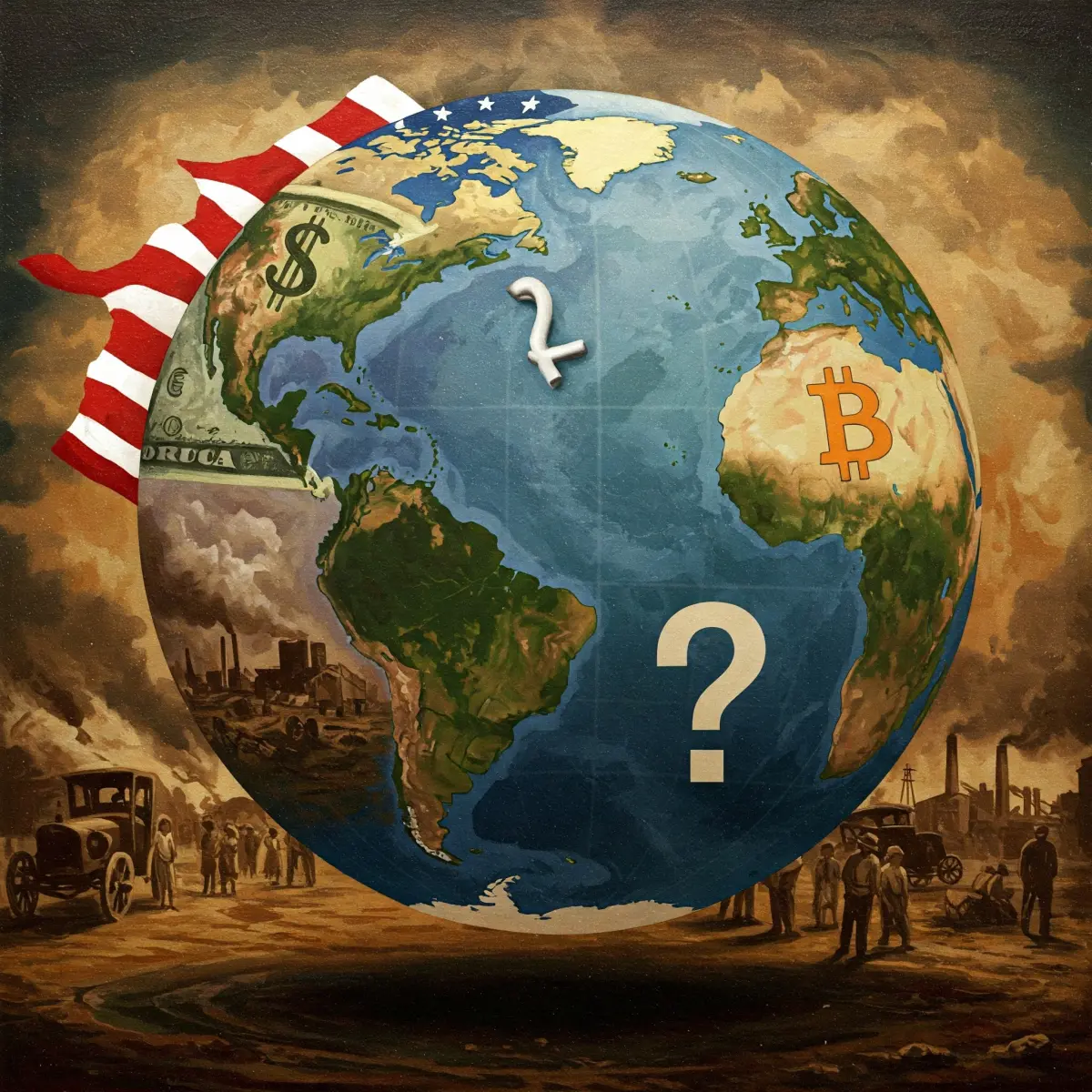
This correlation is a crucial element of the current crisis. The narrative of cryptocurrencies as a completely decentralized and independent asset class is being challenged by their behavior in the face of macroeconomic pressures.
While some investors may seek refuge in crypto during times of instability, the dominant trend today reveals a flight to safety, with investors retreating to the perceived stability of the US dollar and other traditional safe haven assets. This behavior reinforces the interconnectedness of global finance and the vulnerability of even supposedly decentralized assets to systemic risk.
The current market downturn is not merely a knee-jerk reaction to the tariff announcement. It reflects a deeper unease about the trajectory of the global economy. Tariffs are not operating in a vacuum. They are layered upon existing concerns about inflation, rising interest rates, and geopolitical instability. This confluence of negative factors creates a perfect storm for economic disruption.
The Crucial Question is:
How Much Worse can it get?
The answer hinges on several factors, primarily the degree to which this trade conflict escalates. If other nations retaliate with their own tariffs, a full-blown trade war could erupt, crippling global trade and triggering a sharp contraction in economic activity. The longer these tariffs remain in place, the more entrenched the damage will become, eroding business confidence and discouraging investment.
The parallels with the Great Depression are striking. The Smoot-Hawley Tariff Act of 1930, which drastically increased US tariffs, is widely regarded as a key catalyst of the global economic collapse. While the current tariffs are not yet on the same scale, the potential for escalation is a real and present danger.
However, there are crucial differences between the 1930s and the present day. The global population is significantly larger, and the world economy is far more interconnected. This increased interconnectedness, while fostering unprecedented economic growth in recent decades, also creates a greater potential for systemic risk. A crisis in one part of the world can quickly spread to others, amplified by the speed and volume of modern financial transactions.

Furthermore, the role of government has expanded dramatically since the 1930s. A larger proportion of the population is dependent on government support programs, making the potential consequences of a severe economic downturn even more dire. A collapse of the social safety net could lead to widespread social unrest and political instability.
The current situation demands a nuanced understanding of both historical precedent and contemporary realities. Fear and uncertainty are not merely emotional responses; they are rational assessments of the risks at hand. Ignoring these risks, or downplaying the potential for a catastrophic outcome, would be a grave mistake.
De-escalating trade tensions, fostering international cooperation, and addressing the underlying economic imbalances will be crucial to averting a global depression. But even under the best-case scenario, a period of economic turbulence is extremely likely. The echoes of the 1930s are growing louder, and the world must heed their warning. The alternative is a possible future far grimmer than most can imagine.
Is there a way out?
The path out of this precarious situation is not straightforward, and it demands a multifaceted approach that addresses both the immediate crisis and the underlying structural issues that have contributed to it.
First and foremost, de-escalation of trade tensions is paramount. This requires open communication and a willingness to compromise on the part of all parties involved. Retaliatory tariffs only serve to exacerbate the problem, creating a vicious cycle of economic damage. International cooperation is essential to forging a new framework for global trade, one that promotes fairness, transparency, and sustainable growth. This will likely involve difficult negotiations and concessions, but the alternative – a descent into economic chaos – is far more costly.
Beyond trade policy, addressing the underlying economic imbalances is equally crucial. This includes tackling issues such as income inequality, stagnant wages, and excessive debt levels. These structural problems have been brewing for years, contributing to a sense of economic insecurity and fueling protectionist sentiment. Investing in education, infrastructure, and innovation is essential to boosting long-term economic growth and creating opportunities for all. Furthermore, reforming the global financial system to reduce systemic risk and promote stability is a critical component of any long-term solution. This may involve stricter regulation of financial institutions, greater transparency in financial markets, and international coordination to prevent future crises.

The timeline for recovery is highly uncertain. Even under the most optimistic scenario, it will likely take years, if not decades, to fully recover from the economic fallout of a global trade war.
The process will be gradual and painful, requiring significant adjustments on the part of businesses, individuals, and governments. There will be setbacks and false starts along the way. Patience, resilience, and a commitment to long-term solutions will be essential to navigating this challenging period.
The road ahead will be long and arduous, but by learning from the mistakes of the past and embracing a spirit of cooperation, we can hope to avert the worst and build a more prosperous and equitable future for all.






