
What Will a Bitcoin ETF Do To Crypto?
What impact will a Bitcoin ETF have on the crypto landscape? It's an intriguing question, with numerous crypto influencers advocating for ETFs, while others label them as a potential doomsday weapon wielded by the deep state, signaling the demise of our industry. In my opinion, as ETFs potentially erode the independence of a decentralized multi-chain sector. While conspiracy theorists may be undermining common sense by spreading misinformation, fear, and uncertainty—commonly known as FUD. In this instance, those conspiracy hyped concerns might not just be FUD.
It's hard to tell, either way, but one thing is for certain, ETFs are coming whether you like it, or not.The myths surrounding the ETF conundrum are easily dismissed if you are willing to believe mainstream media, blindly like a sheep, and not a GOAT. For those of us who have run the blockchain gauntlet for longer than 6 years, who have been here basically forever, we know that to "Control Bitcoin," you have to control the price, not the actual chain itself or its abilities—just the price.
Not too long ago, we assisted DigiByte in addressing the handling of DGB by a prominent CEX, which can only be described as price manipulation—via accumulation and exchange-to-exchange sell and buys on the backend. While this may not be the best example of price control, it does illustrate how an ETF can be utilized to harm a decentralized currency. If you can control price, you control 90% of what blockchain is today.
Do ETFs Increase the Supply of Bitcoin?
No, not exactly. While hypothetically, a BTC ETF represents the price movements of Bitcoin, allowing investors to invest in Bitcoin without needing to own a single Satoshi, it does however allow for centralized accumulation of Bitcoin ETFs which can and will affect the price of Bitcoin.
In a hypothetical scenario where an ETF could increase the supply of Bitcoin, it would entail a fundamental shift in the nature of traditional ETFs. Typically, an ETF doesn't directly affect the actual supply of the underlying asset it represents, and this holds true for Bitcoin ETFs according to the frameworks of a regular ETF scenario.
However, one could conceive a situation where an innovative financial instrument or derivative, labeled as an "ETF," is designed to create new units or tokens in tandem with market demand. This would be a departure from the conventional ETF model, where units are usually created or redeemed based on the existing supply of the underlying asset. Typically.
In such a speculative scenario, this hypothetical Bitcoin ETF might function more like a derivative product, potentially leading to an increase in the circulating supply of Bitcoin-related tokens within the ETF framework.
It's worth noting that any departure from the conventional ETF model would likely raise concerns about transparency, regulatory compliance, and the impact on the overall stability of the cryptocurrency market. The design and implications of ETF financial instruments are subject to regulatory scrutiny and market dynamics, and any changes to established structures would require careful consideration of potential risks and consequences. Unless of course those same regulatory frameworks are working to end Bitcoin's relevance and value. Then what?
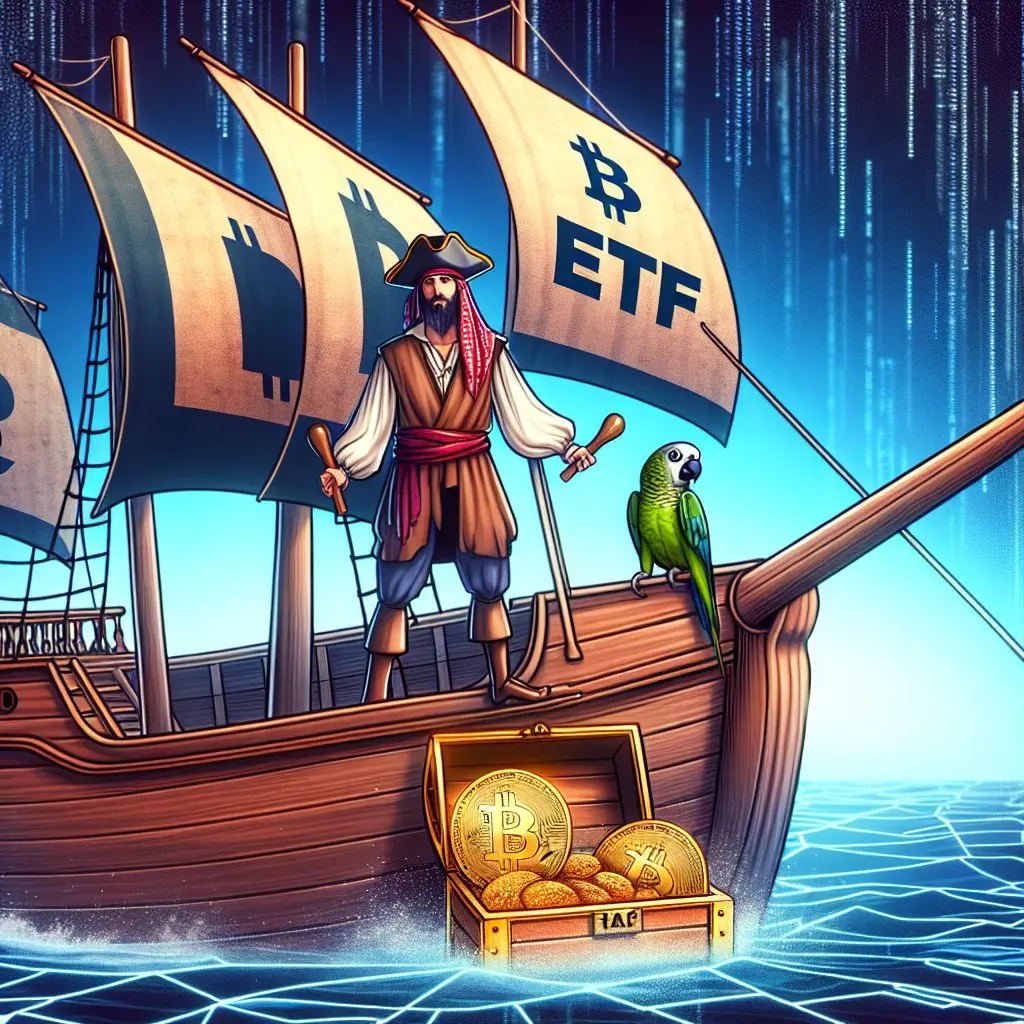
Can ETFs Hurt the Crypto Markets?
Certainly, and I state this with gravity. ETFs have the potential to disrupt the inclusive essence of blockchain innovation, markets, and decentralized structures by selectively designating certain currencies as ETF-applicable. The crucial question arises: who determines these selections, and by what criteria do they evaluate projects or newly minted tokens for inclusion or exclusion within an ETF trading system? This introduces a layer of centralization and subjective decision-making that could undermine the core principles of decentralization in the crypto markets.

Let's look at various ways ETFs can harm the Crypto Industry
While it's important to approach discussions about the potential impact of ETFs and regulatory bodies like the SEC on the crypto space with a nuanced perspective, one can explore various concerns and scenarios. Here are a few ways ETFs and the SEC could potentially disrupt or harm the crypto markets:
1. Market Manipulation Risks:
- ETFs, if mismanaged or subject to manipulation, could influence crypto prices through large-scale trades and market dynamics, creating artificial volatility.
2. Selective Currency Listings:
- The SEC's decisions on approving ETFs might favor certain cryptocurrencies over others, creating a hierarchy within the market. This could stifle innovation and the development of promising projects that don't make it into ETF portfolios.
3. Regulatory Overreach:
- Stringent regulatory measures by the SEC may impose burdensome compliance requirements on crypto projects, hindering their growth and adoption. Excessive regulation could stifle innovation in the blockchain space.
4. Exclusion of Smaller Projects:
- ETF inclusion criteria may favor well-established cryptocurrencies, leaving smaller or newer projects excluded. This could limit opportunities for emerging technologies and startups, impeding diversity within the crypto ecosystem.
5. Loss of Decentralization:
- The essence of decentralization, a cornerstone of blockchain technology, might be compromised if regulatory bodies like the SEC exert too much control over crypto markets through ETF approvals and oversight. I said it before, and I'll say it again, once we lose this core principle, we will never be the same.
6. Increased Centralization of Custody:
- ETFs often involve custodial services to manage assets. This concentration of control in a few custodians could introduce centralization risks, as opposed to the decentralized ethos of blockchain technology.
7. Unintended Consequences of Regulation:
- Overregulation or regulatory uncertainty could drive innovation away from regulated jurisdictions, pushing crypto development into less-regulated or unregulated areas, potentially fostering illicit activities.
8. Market Fragmentation:
- Stringent regulatory approaches may lead to fragmented markets globally, with different regions adopting disparate regulatory frameworks. This could complicate cross-border transactions and limit the global reach of cryptocurrencies.
9. Security Token Exclusivity:
- If SEC regulations heavily favor security tokens within ETFs, it might neglect utility tokens, potentially stifling innovation in blockchain applications beyond financial instruments.
It's essential to note that these concerns are speculative, and the actual impact will depend on how regulations and ETF structures evolve over time.
Maintaining a balance between nurturing innovation and safeguarding investors is vital for a robust and enduring crypto ecosystem. Nevertheless, I do question the genuine motives behind ETFs and the SEC's undisclosed position on blockchain technology. This uncertainty and fear injected into the markets extend beyond the mere issuance and utilization of an ETF; it revolves around the pricing dynamics and movements inherent to the ETFs themselves.
Should ETFs be used to drive Bitcoin's value down, it will become easily apparent in a short time after the ETFs are created. One should only see an upward trend developing, but many, including myself see Bitcoin dropping in price, simply because this would be the logical outcome of ETFs being implemented and used as a wedge between Bitcoin and the value it represents. If that is indeed the desired outcome of the ETF conundrum.
What Can Crypto Enthusiasts Do About ETFs?
Crypto users can take several proactive steps to express their concerns and potentially mitigate the perceived risks associated with ETFs:
-
Educate and Advocate: Raise awareness within the crypto community about the potential impact of ETFs. Encourage discussions on the risks and benefits, fostering an informed community.
-
Community Engagement: Actively participate in crypto communities and forums. Share insights, concerns, and alternative perspectives regarding the introduction of ETFs. Community engagement can amplify voices and create a collective stance.
-
Transparent Governance: Support and engage with crypto projects and platforms that prioritize transparent governance. Encourage clear communication about potential collaborations with ETFs and ensure that the community has a say in such decisions.
-
Decentralized Alternatives: Promote and explore decentralized alternatives that adhere to the core principles of blockchain technology. Encourage the development and adoption of platforms that prioritize decentralization and community-driven decision-making.
-
Advocate for Inclusive Policies: Encourage regulatory bodies, including the SEC, to adopt policies that foster inclusivity and fairness in the crypto space. Advocate for regulations that support innovation without stifling it.
-
Contribute to Open Source Projects: Support open-source projects that align with the principles of decentralization and user empowerment. By contributing to these projects, users can actively shape the direction of blockchain development.
-
Stay Informed: Stay updated on regulatory developments, industry news, and potential ETF-related decisions. Being well-informed enables users to make educated decisions and participate in discussions effectively.
-
Engage with Regulatory Authorities: Participate in public consultations and engage with regulatory authorities constructively. Share perspectives on how regulations can support innovation while addressing concerns related to ETFs.
-
Diversify Holdings: Consider diversifying cryptocurrency holdings beyond those that might be directly impacted by ETFs. A diversified portfolio can mitigate risks associated with specific assets or sectors.
-
Support Crypto Advocacy Groups: Contribute to or support cryptocurrency advocacy groups that work to protect the interests of the crypto community. These organizations often play a crucial role in representing the collective voice of users.
By actively participating, advocating for decentralized principles, and staying informed, crypto users can contribute to shaping the future of the crypto ecosystem and potentially influence the impact of ETFs on the market.
Be cautious, stay informed, DYOR!
If you like what you've read, please tip using Publish0x or betasyndicate.eth, Fantom, Polygon, Klaytn, and any other EVM:
0xE2CF47E4974484A021A72D50e0A2FC7188E2aA38





