
As a follower of decentralization and self-hosting, I am attracted to the idea of knowing how the blockchain infrastructure works and the different networks, APIs or resources that make up this great ecosystem, which is undoubtedly here to stay and is the future of the Internet. And I would even say that it will revolutionize the way we relate to each other in a global and egalitarian way.

One of the most interesting projects that I have found and it has allowed me to introduce myself a little into this wonderful world is Pocket Network https://www.pokt.network/ , both for what it proposes its project and for the ease of its start-up, besides that it is about to begin its journey with the launch of its wPOKT token so I think it is an ideal time to join and support it.
We can read how they define themselves:
Pocket Network is a decentralized blockchain API built for Web3 applications, transmitting data to and from any blockchain through a network of thousands of nodes. The Pocket Network protocol validates all transmitted data and proportionally rewards participating nodes with POKT.
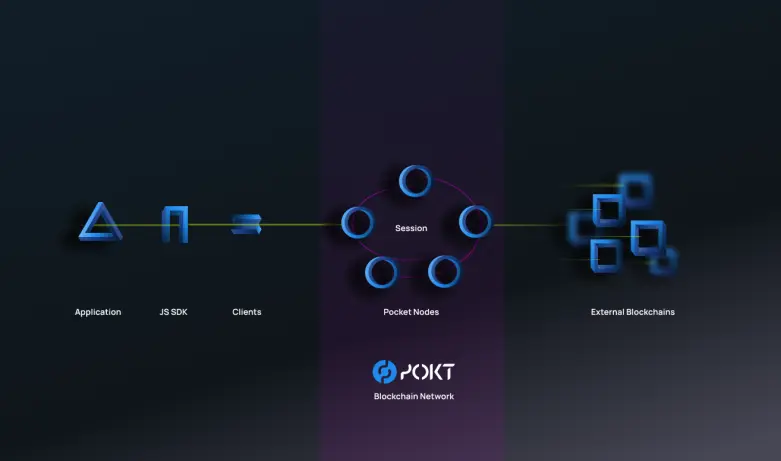
Anyone can run a POKT node since the hardware requirements are quite simple and as software practically any Linux distribution, but in the case that I am going to explain Debian or Ubuntu (or any Debian-based distro) is recommended.
At the hardware level, to run a POKT node, 4 CPUs (or vCPUs) are recommended | 8 GB RAM | 100GB Disk.
But you have to bear in mind that in addition to the POKT node you will also run a full node of the other Blockchains with which you are going to interact (Etherium Mainnet for example).
Obviously, with more CPUs, faster and faster RAM memory and SSD disk, your node will process all the traffic and validations it needs much faster, so you will probably get more benefits.
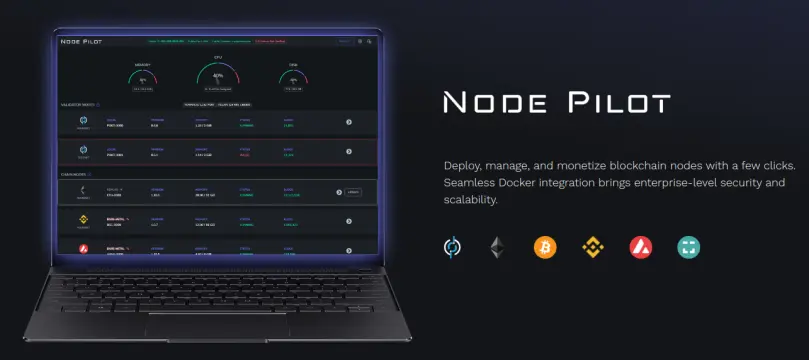
The ease for those who want to try it is that a group of developers (https://decentralizedauthority.com) have created a tool called Node Pilot, which through Docker containers starts up everything you need to run your Pocket node Network.
https://docs.decentralizedauthority.com/
I think that anyone in the IT world without having a great experience can start one of these nodes and learn a little more about the blockchain infrastructure.
I don't want to repeat everything they already have in their documentation, but I do want to clarify some points that arose along the way and help anyone who wants to try it.
TIP 1:
Once docker is installed and downloaded the Node Pilot (np) to run it, just run./np, but if you don't want the node to cut when you close the console terminal or you want to run it in the background so that you can continue using the terminal, I'll do it. What I have done is run it like this:
nohup ./np &
This way it will be running in the background.
Once executed, you will be able to access the control panel through the browser and finish configuring your node.
It is very easy to configure since it automatically makes the request for a valid Let's Encrypt web certificate and in a couple of clicks launch the node of the networks that interest you, your POKT node as validator and the node itself. POKT.
TIP 2:
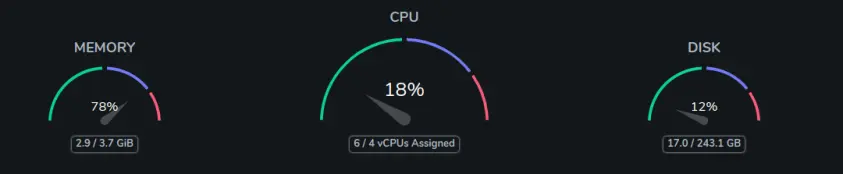
Choose well the resources that you are going to assign to each node so as not to run out of memory or cpu.
TIP 3:
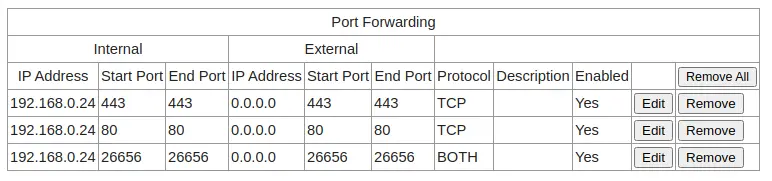
Configure port forwarding on your router, you will need ports 443, 80 and 26656.
Once you have followed the steps in the documentation, you will have the infrastructure you need running.
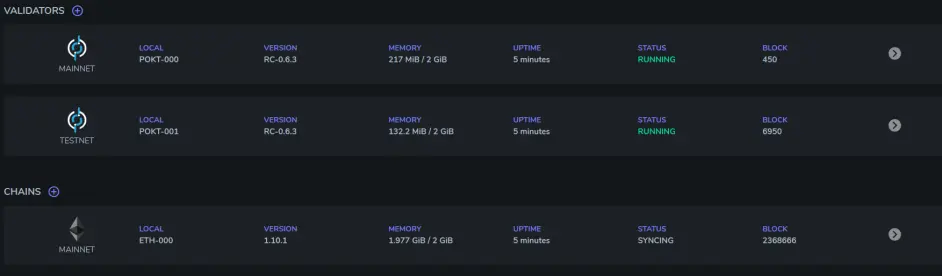
For now you can request 20000 POKT (https://faucet.pokt.network/) to use in your testnet and thus test what it would be like to be a validator. test the capabilities of your hardware or just have fun and learn how is my case.
Node Pilot is still under development and there are improvements that need to be made, such as being able to remove nodes from the graphical interface, so it recommends its use in testnet.
For mainnet you should have that minimum amount of tokens (15000) so that your node is listed as a validator and of course you will receive your bonuses for the work your node does, but also keep in mind that you can be penalized for "bad behavior" and get to lose your tokens.
There are already companies that you pay for them to maintain and run a node in exchange for a portion of those benefits.
If you have doubts, leave comments and I will answer what I can or know!
https://twitter.com/skinnynoizze
https://www.reddit.com/user/skinnynoizze
@ Github
https://github.com/skinnynoizze/
1inch referral
https://app.1inch.io/#/r/0xCdB8eAf44f1E22707dF63BfaD380b72aA1274e67






