
Good day fellow P0x'ers!! I've recently been tinkering with a small open-source ASIC miner that uses the SHA-256 algorithm to hash. Its hashrate is not great, as it's not an industrial miner but it just barely cracks the 1 Terahash per second threshold -- that's 1,000,000,000,000 hashes per second. At any rate, it's been an entire week of contributing to PowerPool.io and there are some numbers to report.
Let's keep a few things in mind:
- Electricity is not free (unless you have an existing solar setup, or you aren't the one paying the bill)
- Pool mining is not a "get rich quick" scheme but is good for steady and consistent mining rewards
- It is distinct from solo mining, where you direct your hashing power to compete for an entire block reward (3.125 BTC in the case of bitcoin)
With all that being said, just how many sats can you stack by pool mining on PowerPool.io?
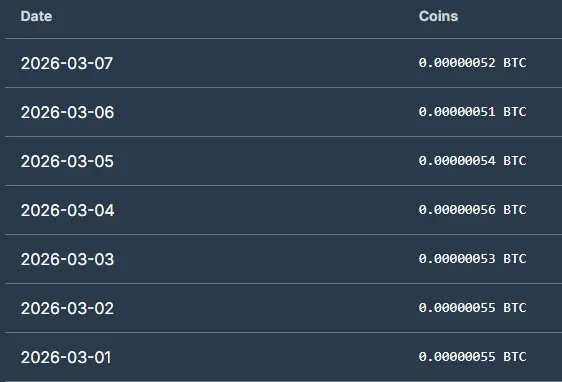
Over a week, that's 0.00000376 BTC -- so it's not going to necessarily give you a steady income. One may even argue that "mining at a loss" is a waste of time, and it's just cheaper to buy bitcoin to get more sats for your buck. But, if you don't mind a bit of risk and truly believe in "bitcoin to infinity," then it may make sense. For me, I just enjoy the technical aspects of mining and learning more about the process as I go along.

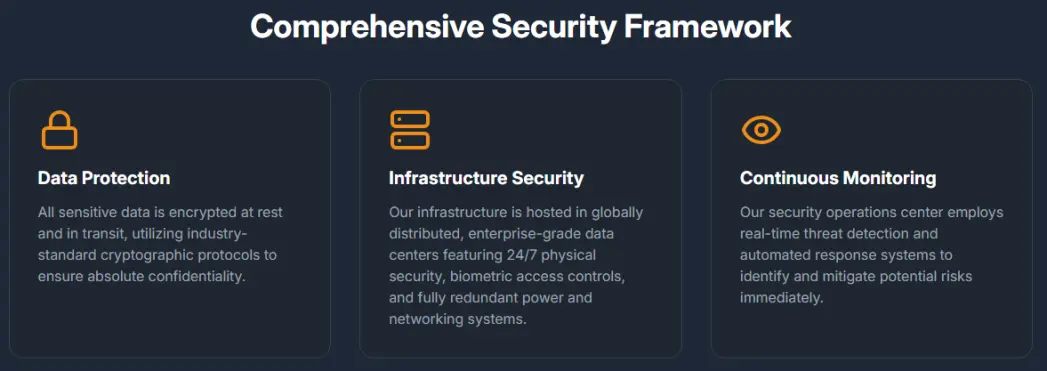
PowerPool.io allows for payouts as low as 0.00001 BTC -- so there's no worry of reaching an impossibly high payout threshold, unlike some other mining pools. I also would like to tout the security measures:
The truth is that bitcoin mining is extremely competitive, and the price volatility throws a wrench in the works when you think you have all the math figured out. A sharp rise in BTC price can quickly offset any "mining at a loss" operation, while a dramatic drop in price can make you question the sustainability of the operation.
For individual miners, here are some things to consider and definitely essential to keep track of:
- Electricity rates: whether you pay $0.05 or $0.15 per kWh will have a huge impact of operational profitability
- Cooling: it's essential to keep ASIC miners at the proper temperatures; overheating can cause equipment failure and can shorten the lifespan of a miner
- Voltage requirements: the larger industrial miners require a 240-volt outlet
- Efficiency: measured in Joules per Terahash -- as of 2026, anything under 18.5 J/T is generally considered efficient
I hope you've enjoyed reading about pool mining on PowerPool.io -- there are many other mining pools you can join, and I will continue to test them out. Also, please check out the following links if you are considering getting into mining. I would suggest reading as much as you can about it before purchasing any equipment.
👇👇👇 It's always a good time to collect free crypto (especially during a downtrend) -- here's how 👇👇👇
The original Bitcoin faucet is long gone, but there are still ways to collect some free crypto if you invest some of your free time:
-
Sign up here on Publish0x, if you haven't already, to earn free crypto for reading & writing content
-
Join Cointiply and roll the faucet every hour, view PTC ads, take surveys to earn free Bitcoin, Litecoin, Dogecoin, or Dash
-
Downoad the Bitcoin Cash Giveaway to collect some free BCH sats, paid out weekly
-
Check out Yescoiner to easily collect some satoshis; no nonsense -- just solve a captcha. Low payout, slow drip here
-
For rewards in XNO, DOGE and BTC, check out TipNano app
-
Visit Stacker.news and earn some sats by posting interesting content and commenting what others share
-
The most off-the-wall faucet is Crypto Junkie, offering payouts in various cryptos to Final Autoclaim & Faucetpay
-
If you're DCA'ing your Bitcoin stack, try River for zero-fee recurring BTC buys & earn 3.5% Bitcoin interest on deposited USD
-
Slice is a Google Chrome browser extension that allows you to earn BTC for browsing, paid via Lightning Network
-
Another great crypto-powered blog site is read.cash, powered by Bitcoin Cash (BCH)






