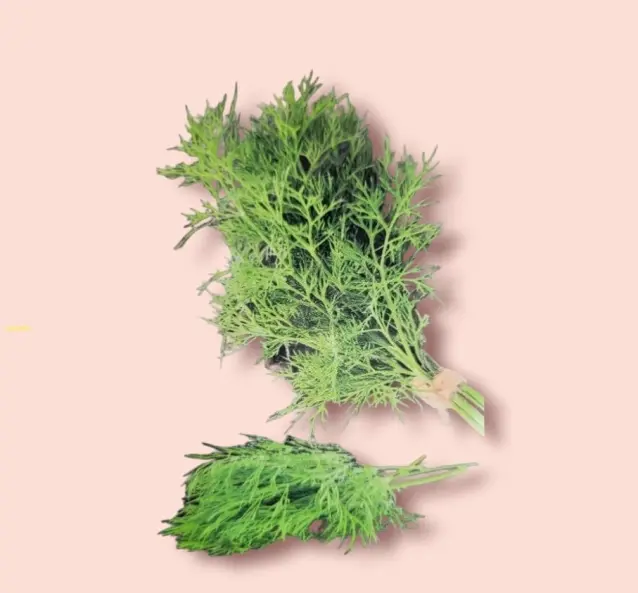
Dill (Anethum graveolens ) is a herbaceous plant that is commonly used in cooking, particularly pickling. Dill is native to southern Russia, western Asia, and the Mediterranean region, but it is now grown all over the world. It is also known as Dille, Aneth, Aneto, Eneldo, Kopr, Koperek, kopor.
Dill has a variety of medical advantages, including:
Digestive Health: Dill is well-known for its digestive properties. It contains compounds that stimulate the digestive juices in the stomach and intestines, assisting with digestion and relieving bloating and constipation.
Dill has anti-inflammatory properties, which can help to reduce inflammation in the body. It contains flavonoids and polyphenols, which act as antioxidants and protect the body from oxidative stress and inflammation.
Dill is a good source of vitamins A and C, as well as minerals like calcium, iron, and magnesium. These nutrients are essential for good health and can aid in the prevention of chronic diseases.
Dill has antimicrobial properties, which can help prevent the growth of harmful bacteria in the body. This can aid in the prevention of infections and other health issues.
Dill contains compounds that may help relieve menstrual cramps. For centuries, people have utilized it for the above purpose.
Overall, dill is a healthy herb with numerous health benefits. It can be added to salads, soups, and stews, or utilized as a garnish for fish and other seafood.
Growing dill is a simple process that can be done in a variety of environments. The following are the steps for growing dill:
Select a location: Dill prefers full sun, but it will grow in partial shade as well. It grows best in well-drained, organically rich soil.
Dill can be grown from seeds, which should be planted in the spring or fall. Sow the seeds into the soil 14 inches deep and 18-24 inches apart.
Keep the soil moist but not soggy by watering the plants. Water the plants on a regular basis, especially during hot, dry weather.
Fertilize the plants: While dill does not require much fertilizer, it can benefit from a balanced fertilizer once or twice during the growing season.
Harvest the leaves as soon as they appear on the plant: Dill leaves can be harvested as soon as they appear on the plant. Snip off the leaves with scissors, leaving the stem alone.
Dill seeds can be harvested when the seed heads turn brown and start to dry out. Remove the plant's seed heads and place them in a paper bag. Allow the seed heads to dry completely before shaking the bag to remove the seeds.
Plants should be pruned on a regular basis to encourage bushier growth and keep them from becoming too tall and leggy.
Dill plants can grow to be about 2-3 feet tall and produce leaves and seeds throughout the growing season if properly cared for and maintained.
Allow us to assist you in locating any organic seed of your choice. Contact us at [email protected].
Have you found this article useful? Please feel free to share it as a show of support for our blog. You can also show your support by downloading and using the Brave browser, which you can do by clicking the Brave Browser logo below.
Brave will provide you with an entirely new online experience while protecting your privacy from cross-site trackers and unwanted scripts. You will also be rewarded for using the web with Brave Browser. Plunge into action by clicking the link below.
Did you know you can make a lot of money by reading articles like this one or by sharing your own stories through your own articles on Publish0x.com? Simply click Publish0x.com






