
Publication in Russian on the Zen blog
https://dzen.ru/a/ZiNmFxB2mSeCxPWN
Why was the largest chamber in the world in human history created?
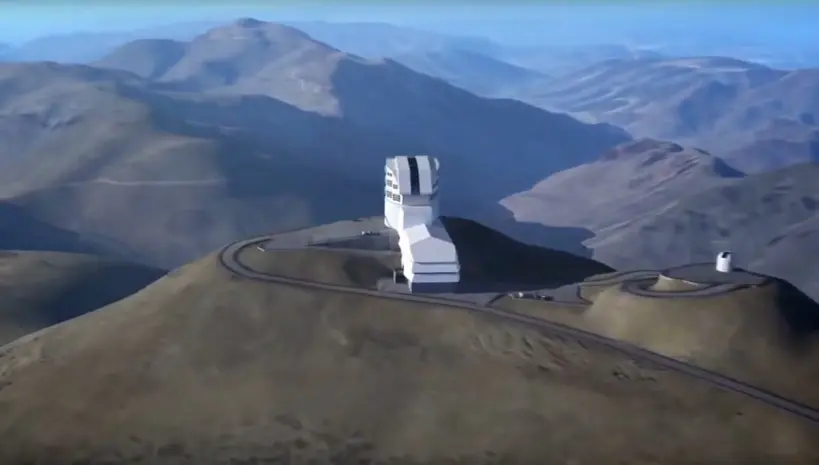
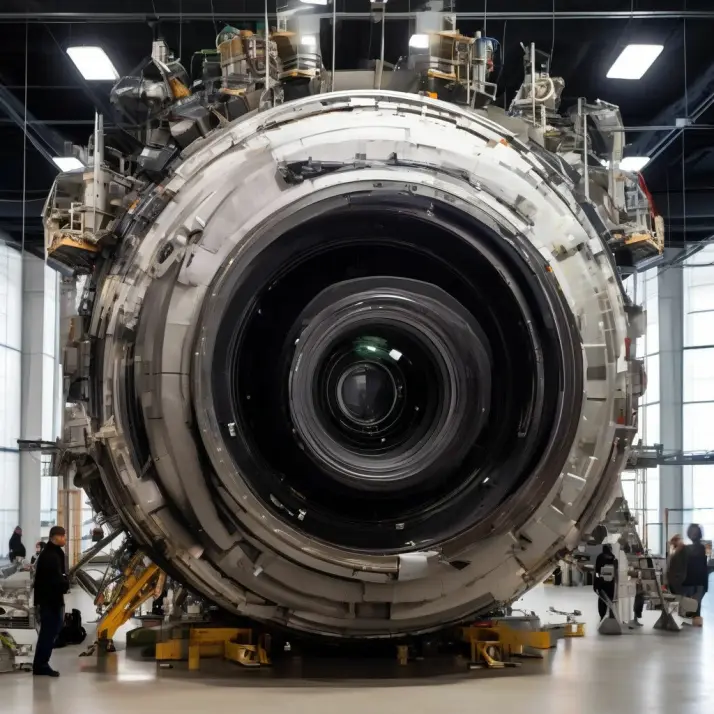
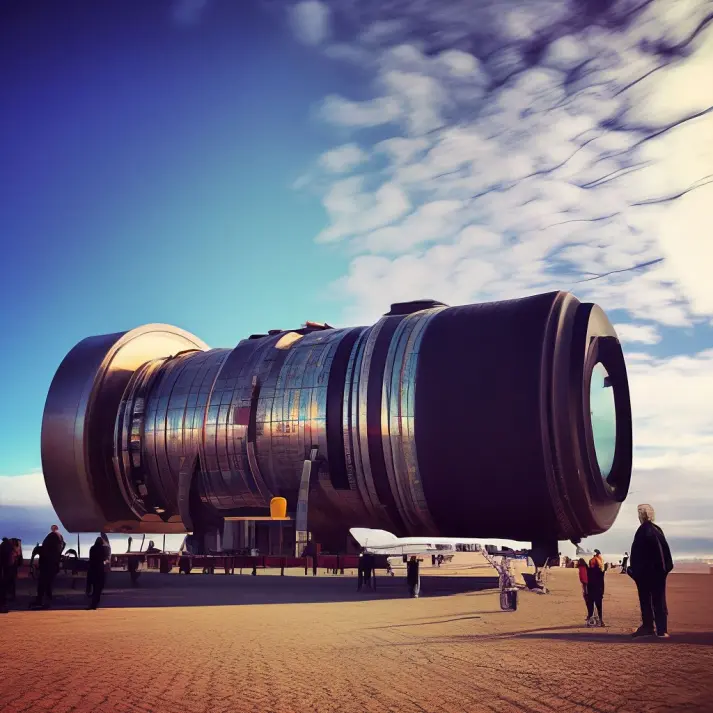
The national accelerator laboratory SLAC (Stanford Linear Accelerator Center) announced the completion of the LSST camera, which is capable of obtaining images with a resolution of 3200 megapixels. Now it will be installed on a telescope in Chile at the Vera K. Rubin Observatory to help solve some of the biggest mysteries in the universe.
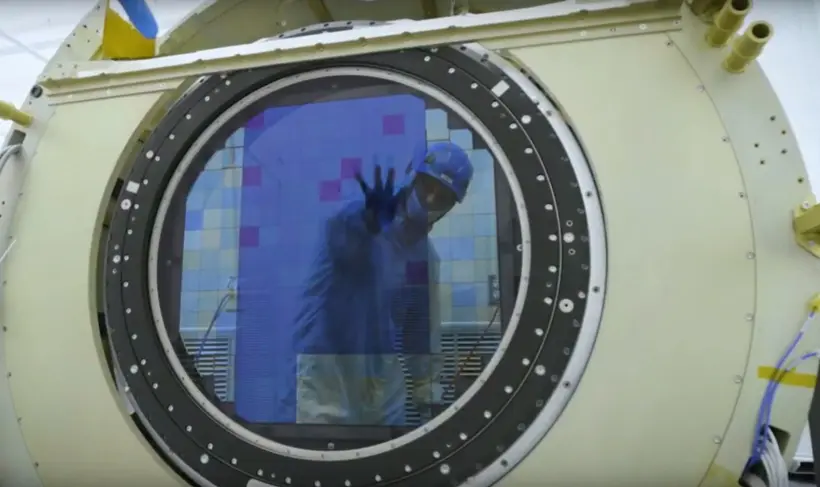
The Legacy Survey of Space and Time (LSST) camera is being built by researchers at Stanford University's SLAC National Accelerator Laboratory with the goal of capturing the night sky in unprecedented detail. The cost is $168 million.
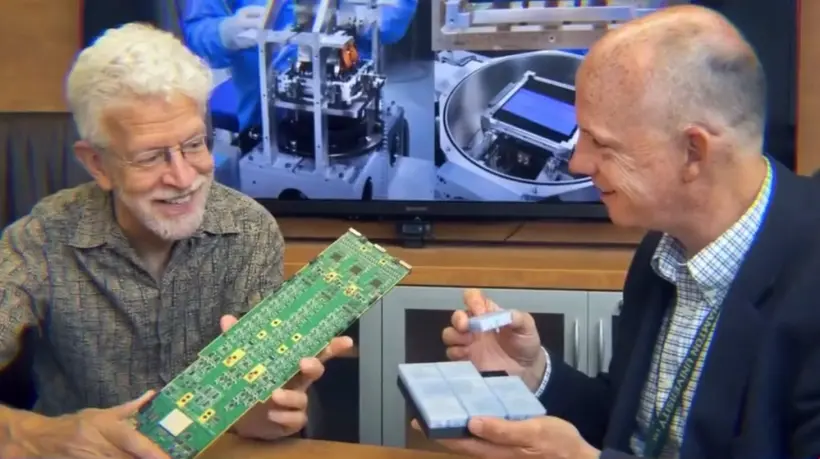
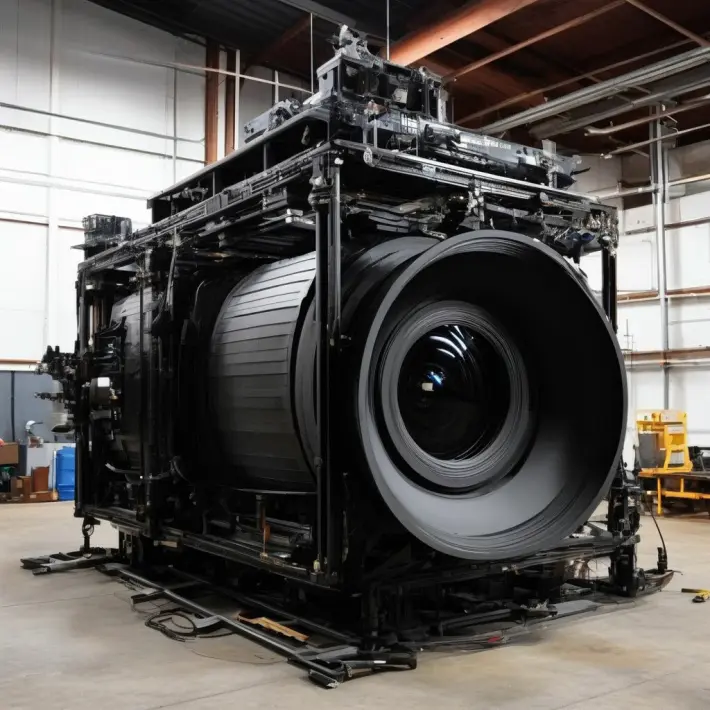
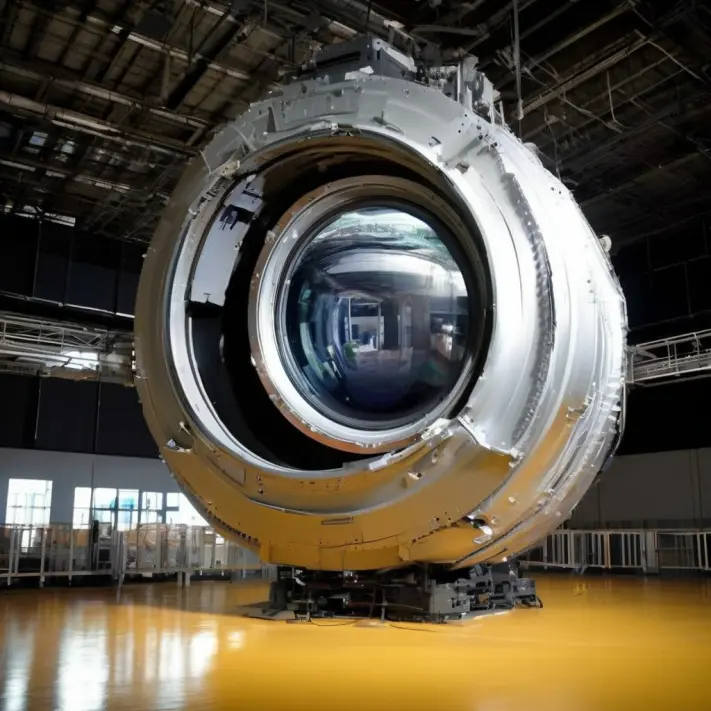
Engineers at the SLAC National Accelerator Laboratory have spent the last seven years building the Legacy Survey of Space and Time, or LSST, camera. The camera is the size of a small car and weighs about three tons, and its five-foot diameter lens is listed in the Guinness Book of Records.
LSST video
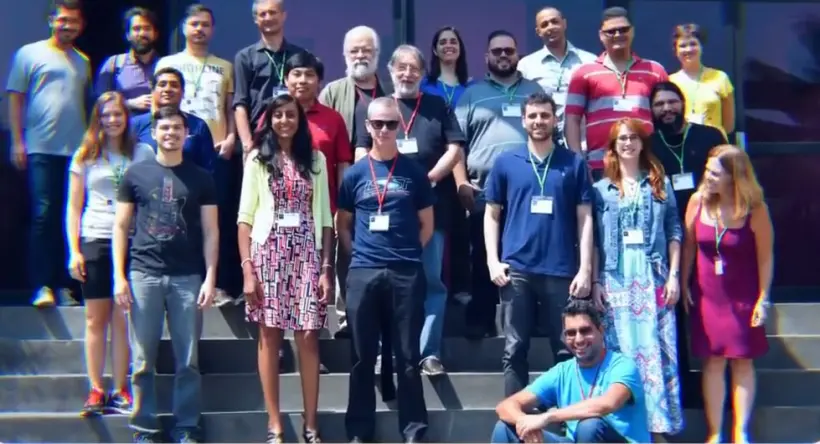
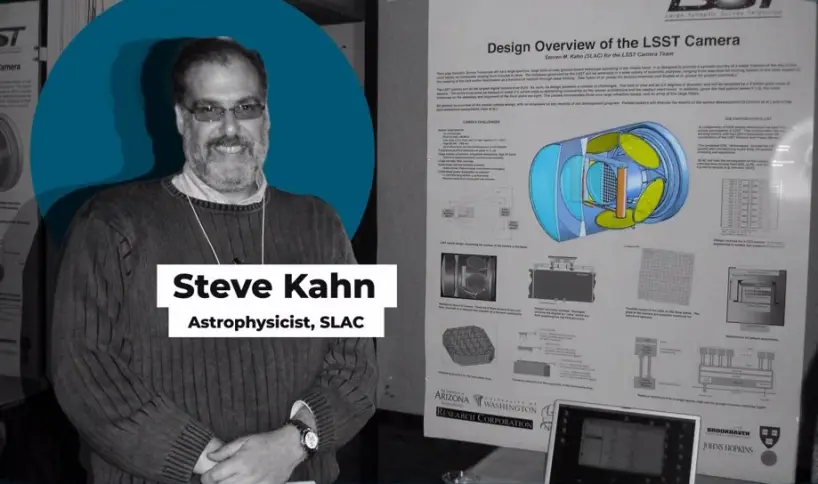
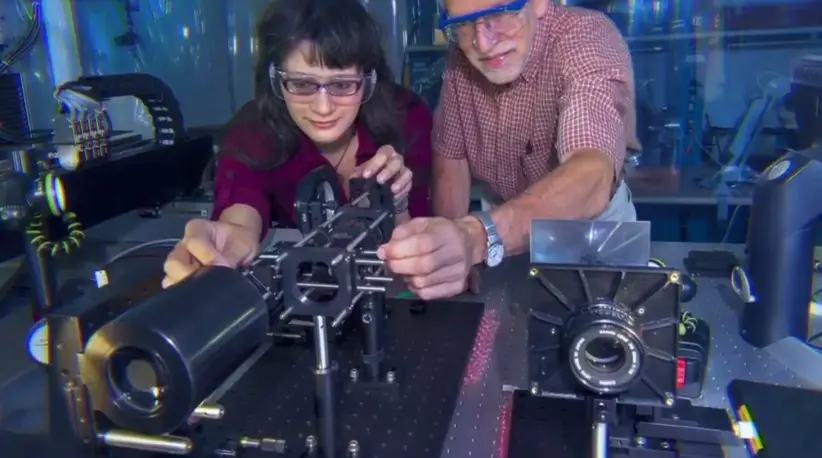
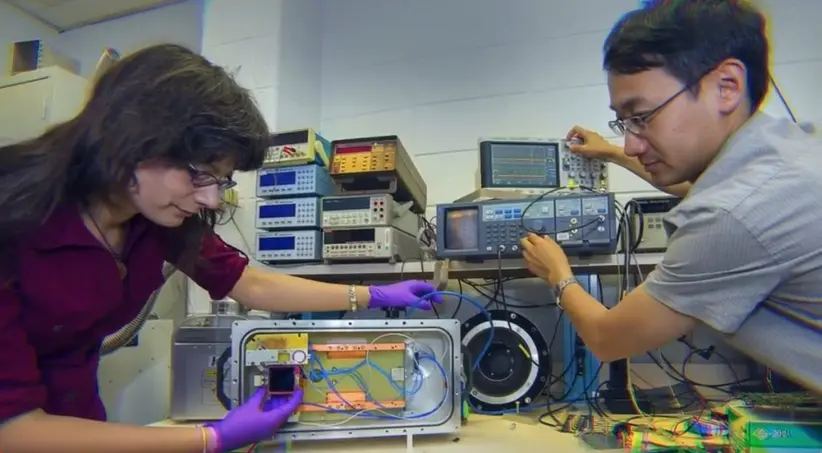
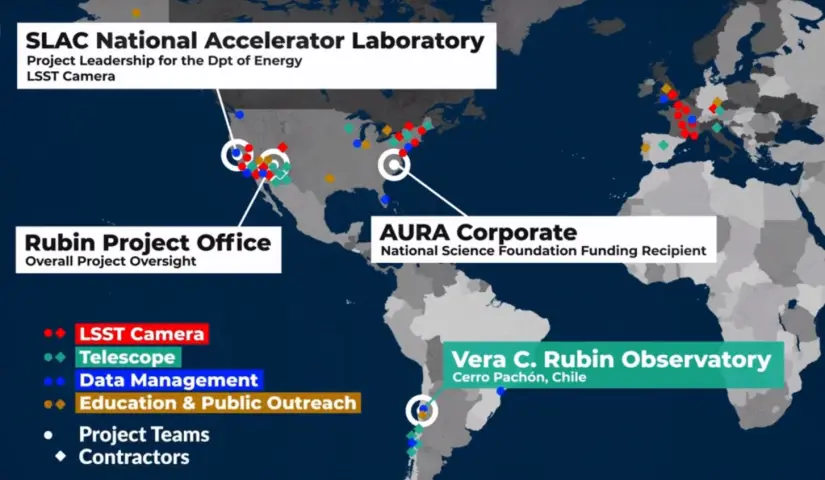
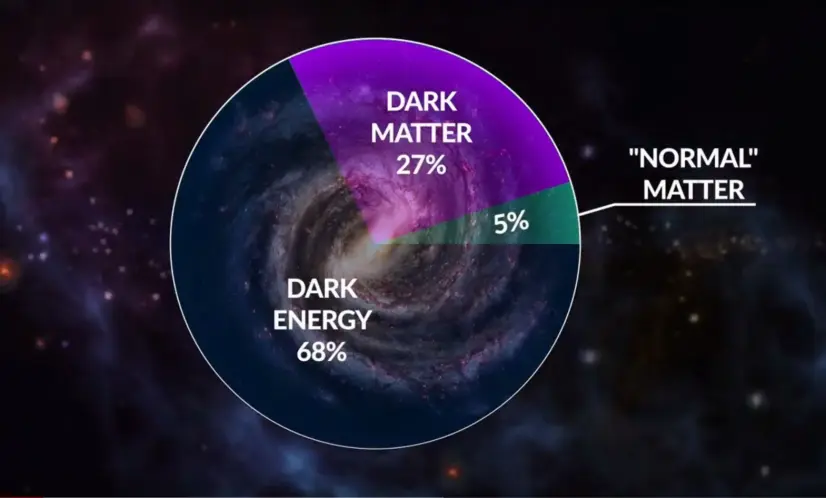
This story begins in the late 1990s, when the idea of creating an observatory named after Vera Rubin began to emerge. At that time, researchers were looking for ways to study dark matter. Dark Matter is matter that interacts only with ordinary matter - such as matter here on Earth, gravitationally. As researchers tried to find new ways to study dark matter, they observed supernova explosions that hinted that the expansion of the universe was actually accelerating. These observations imply the existence of a mysterious dark energy that permeates all space. If we take all the forces that have shaped the universe, scientists currently believe that the universe is made up of about 5% ordinary matter, 27% dark matter and 68% dark energy. The term "dark" applies here because it does not appear to emit, reflect, or absorb light. And scientists are not yet sure how this can be directly detected to gain more information about dark energy and dark matter. Astrophysicists realized that they needed to map, figure out the large-scale structure of the universe and its changes over time. And where were they going to start? In 2003, Steve Kahn, an astrophysicist working on this topic, joined SLAC (Stanford Linear Accelerator Center). He brought with him the idea that SLAC and the Department of Energy should develop a telescope with a large aperture and a wide field of view that could study the very nature of dark energy and dark matter. Along with his fellow researchers, Kahn spent the next decade building an international network of scientists and researchers so they could begin working on how they could make the telescope a reality. While the telescope itself is being built in Chile, the central camera module was assembled at SLAC, using parts developed at other institutions around the world. A huge effort was required to bring together the large number of teams developing the camera, and this was a huge achievement for scientists. The central element of the telescope was to be the camera module. In early 2010, after all the preparatory work, researchers and their colleagues in the United States and Europe began creating a prototype camera. The camera was designed with a 3200 megapixel sensor. Making it the largest camera ever created for astronomy. For comparison, the smartphone you may be watching this video on right now probably has about 12 megapixels. Using this powerful new camera, the researchers plan to take one photo every 30 seconds. This may not seem very fast. But you need to understand that the camera takes photographs in deep darkness, this requires a longer shutter speed. Once they have all these images, scientists will take very high-resolution images of the southern sky every three nights in what is ultimately planned to be a ten-year project. This means that during those 10 years the camera will capture the entire Southern sky more than 1,000 times. This process will create a detailed map of the night sky, showing how matter is distributed throughout the Universe, as well as showing all the changes in the sky and in matter over time. These observations will help researchers understand the nature of dark matter and dark energy. But that's not all: the telescope and its camera will help astronomers map many temporary phenomena, such as exploding stars and asteroids whose positions change from night to night. If you think about it, it's like a movie about the universe that lasts 10 years. This ten-year study is called the Legacy Survey of Space and Time (LSST). And the camera module itself became known as Camera LSST. To develop the electronics for the new detectors, camera researchers collaborated with teams at SLAC (Stanford Linear Accelerator Center) and the Department of Energy (Brookhaven National Laboratory). They also worked closely with the Department of Energy's Livermore National Laboratory to develop the largest camera lenses ever made. Now, after two decades of work, the LSST camera is ready. It will then be shipped to Chile, and will finally be ready to capture the most detailed images of the night sky ever taken. Beginning in 2024, over 10 years of operation, the Vera Rubin Camera and Observatory will have a tremendous impact on the field of astronomy. And thanks to this, approximately 20 billion galaxies will be cataloged. This is approximately 10% of all galaxies estimated to exist in our observable universe. No one knows for sure what exactly we will discover, but this is a truly exciting time for astronomy and the world!
The largest digital camera in the world
https://www.youtube.com/shorts/WjZ0LSGta-g
the world's largest digital camera in human history
https://www.youtube.com/shorts/BbECaJ_50AE
Самая правильная книга для фотографа.
Author's video content.
In collaboration with CMCproduction & SmartREC video studios
https://www.youtube.com/c/ViolettaWennman
https://ok.ru/shipshard1
https://vk.com/shipshardvk
https://www.pinterest.ca/omegagirs/
https://dzen.ru/shipshard
https://t.me/shipshard
I INVITE YOU TO THE TELEGRAM CHANNEL
UNCENSORED
https://t.me/shipshard
Publication in Russian on the Zen blog
https://dzen.ru/a/ZiNmFxB2mSeCxPWN
Author's video content.
In collaboration with CMCproduction & SmartREC video studios
https://www.youtube.com/c/ViolettaWennman
https://coub.com/violettawennman
https://t.me/shipshard
If you are interested in shooting videos, join our communities.
I'm making a video
Video for business
Promotional videos
Instagram content
Movies
TV programs and reality shows
As well as professional reviews on products, video equipment, devices, gadgets.
Professional videoproduction CMCproduction & SmartREC
CMCproduction - full cycle video production
SmartREC - territory of free creativity, the first mobile video production in St. Petersburg
Contemporary art for contemporaries. Literature, music, photos, videos, entertainment.
https://ok.ru/shipshard1
https://vk.com/shipshardvk
https://dzen.ru/shipshard
https://www.pinterest.ca/omegagirs/
Violetta Wennman. Child model (photographer Stefan Wennman) - Sweden, Austria, Netherlands.
Professional stage, pop genres. Professional dancing, vocals. Voice imitation.
I take part in performances in Russia, Ukraine, etc.
Faculty of Film and Arts Industry, Netherlands.
Telegram Violetta Wennman (All over again)
https://t.me/+5_Qw0xzZ6DkwYWMy
https://www.instagram.com/vilaa.lu/
All links https://shipshard.taplink.ws
And also I am a professional in the field of video production on a smartphone. I love shooting on my phone and I am happy to share materials from the shooting and useful information about how it was filmed. Post your work through the offer news https://vk.com/topcontent2022 TopContent.
TopContent on Zen https://dzen.ru/topcontent2023
Telegram channel of the director and founder of CMCproduction Mikhail Smirnov
I’m sharing how the filming goes. Promotions for clients, invitations to participate in joint projects.
News, promotions, invitation to participate in joint projects.
https://t.me/CMCproduction
Наверное, единственная правильная книга про фотографию от фотографа, критика, педагога, исследователя фотографии Александра Лапина "Фотография как" - это бесценный учебник для начинающих и профессионалов, золотой фонд вашей библиотеки
Книга для настоящего фотографа от Александра Лапина «Плоскость и пространство, или Жизнь квадратом» представляет читателю исследования автора в области психологии зрительного восприятия плоского изображения – картины, рисунка или фотографии.
Искусство и все, что с ним связано, - всегда тайна. Найти определение композиции ничуть не легче, чем определить, что такое Истина, Любовь, Добро или Зло.
Все книги гениального фотографа Александра Лапина






