Hello there. If you are still reading this, thank god you are not giving up this cryptocurrency market despite the bloody days lately.
How-to Crypto of Phuc Knows Crypto is back and thrilled to bring you some knowledge of cryptocurrency wallets.
The first thing you should know is:
There are two main categories of cryptocurrency wallets: HOT WALLET and COLD WALLETS
1. Hot Wallet
Hot wallets are the cryptocurrency wallets that connect to the internet.
It means you can access and manage your fund at any time on your device as long as you have an internet connection.
It's convenient but less secured because, you know, hackers are everywhere.
2. Cold Wallet
On the other hand, cold wallets are those you can use offline.
You don't need an internet connection to store 30 BTC.
And hackers also cannot access to your 30 BTC account.
If only you had some ;)
Now it's time to talk about 05 common types on cryptocurrency wallets
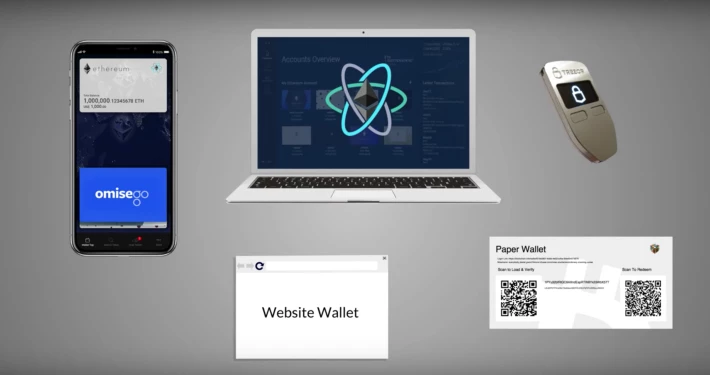
1. Desktop Wallet
This is the most common type of cryptocurrency wallet.
Desktop wallets can be in online or offline, which makes them easy to use.
However, since you will have to store your fund on the computer, hackers can manipulate it, and even viruses or malware can wipe out everything you have.
2. Mobile Wallet
Mobile wallets are programming software. You can use them on a mobile phone or your tablet.
Some mobile wallets allow you to send and receive ETH and tokens, such as ERC-20 tokens, ERC-721 tokens (NFTs), while you are chatting with your friends.
Yes. Chat feature on HB Wallet is that bewitching. You should try it!
Since every wallet goes along with a passphrase, you have nothing to worry about if you lost your device. This is the best and the most convenient way to store and manage your cryptocurrency account.
3. Web Wallet
Yes. You can totally access and manage your fund on web browsers.
But obviously, it's very risky.
Since the internet is a very dangerous place, web browsers are not a reliable place for you to store such a valuable thing as your cryptocurrency account.
Although the transactions via web wallets can be rapid, those are not very recommended by crypto experts.
4. Hardware Wallet
Hardware wallets are physical things that you can use to store and manage your cryptocurrency assets.
They do have some specific mechanism to protect your funds, such as pushing a button to confirm the transaction.
Since no internet connection is required, hardware wallets seem to be a trustworthy way to store a large amount of cryptocurrency.
But the thing is, hardware wallets are expensive as hell. Are you willing to pay up to $120 for a tiny USB-size thing?
5. Paper Wallet
This is kind of old-fashioned wallet.
And paper wallet is, actually, a piece of paper that contains everything you need to restore your own cryptocurrency wallet.
Are you sure that you can keep it safe instead of trashing that paper?






