
If your creative output depends on inspiration showing up, you don't have a process. You have a gamble.
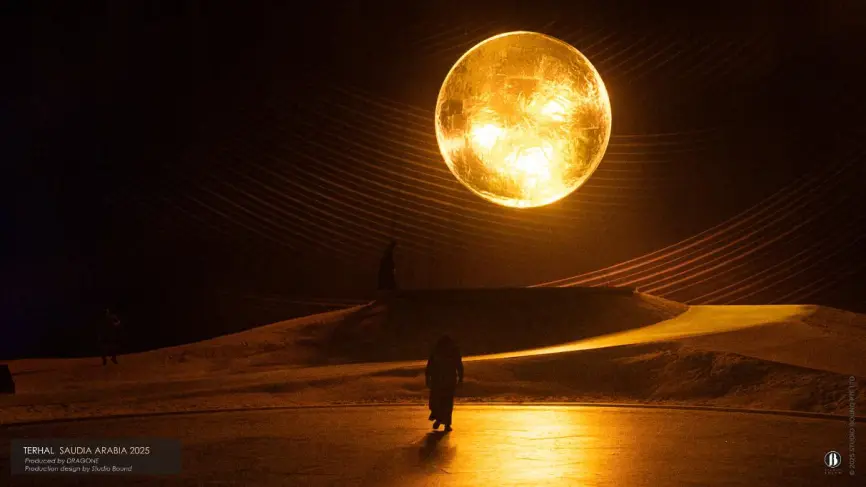
Let me push back on one of the most beloved ideas about creativity: the muse. The story that you wait, inspiration arrives from somewhere beyond you, and the finished idea drops into your lap. Even sharp thinkers like Elizabeth Gilbert have described creativity that way — ethereal, external, not really under your control. It's a beautiful idea. It's also, roughly, the two-thousand-year-old belief that gave us the word "muse."
And as an operating model, it's terrible. I design things that open on fixed dates. If I ran my studio on inspiration, half of it would miss its deadline and I'd be out of work.
So I don't run on inspiration. I run on method. Twenty-five years of ceremonies, shows and attractions taught me that the same moves reliably get you to good ideas: how you collect raw material, how you stress-test it, how you cut most of it, how you dig out the one honest idea sitting under the ten obvious ones. It's a repeatable process. On the days the muse is a no-show — which is most days — the process still delivers.
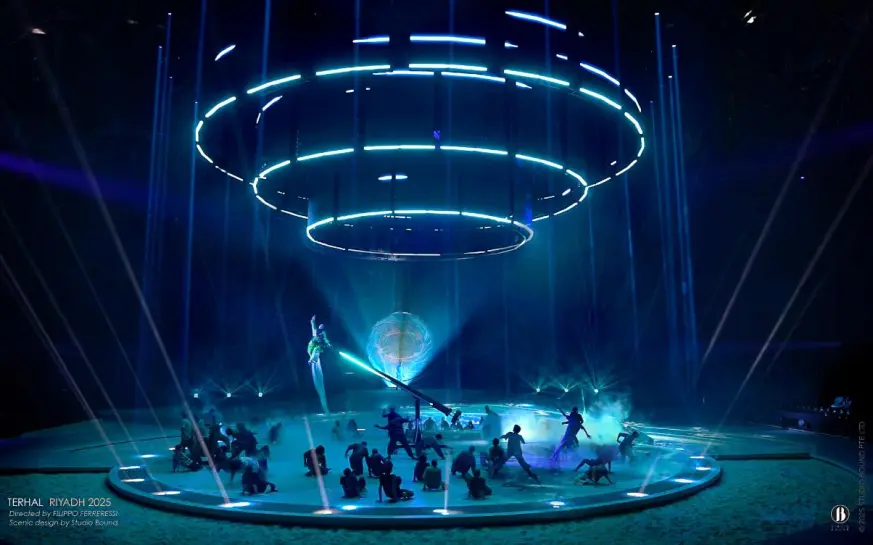
The part I find genuinely reassuring is that the science now agrees. Modern psychology treats creativity less as a gift for the chosen few and more as a capacity almost anyone can build and train. That's exactly what I've watched play out for decades. The reliably creative people aren't waiting to be struck by lightning. They've built a dependable path and they walk it on schedule, mood permitting or not.
Inspiration is real, and it's a nice bonus when it lands. But you can't build a career, or a company, on a bonus. You build it on the method. That's the part worth getting good at.
Follow the work: patricklarsen.studio · Medium · Substack · LinkedIn
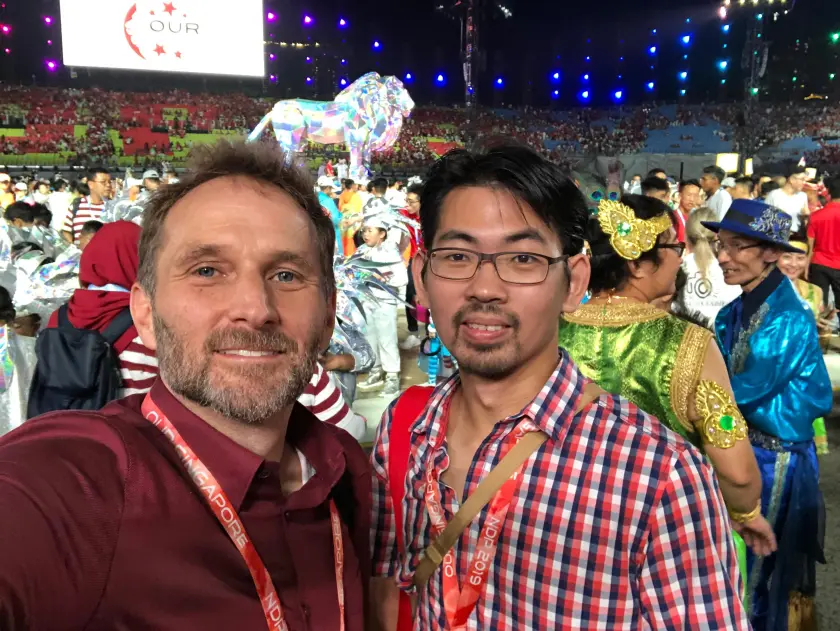
About Patrick Larsen
Patrick Larsen is an Emmy Award–winning production designer and the founder of Studio Bound, a Singapore studio working across immersive experiences, themed attractions, live shows, ceremonies and broadcast design. Over more than two decades he has designed for the Expo 2020 Dubai ceremonies, Olympic broadcasts, Las Vegas residencies, and resident shows across Asia and the Middle East.






