1. Introduction- The Breaking Alert
In a statement that could change the way we look at cryptocurrency markets in the future, a global financial watchdog has issued a strong warning. In the case of this alert, though, it's one more growing problem-the world's crypto regulations still tend to be incomplete and inconsistent. The fact that the price of Bitcoin is skyrocketing and bringing millions of new investors into the space means that governments must scramble to catch up.
Not just another news flash, this is viewed as a signal by the global authorities to tighten the rules, and everybody from traders down to developers has to pay attention.
2. Who Raised the Alarm?
An alarm was raised by one of the most powerful international regulators-the global organization responsible for sustaining financial stability in major economies. Financial Stability Board (FSB) and the International Monetary Fund (IMF) are issuing repeated calls for countries to take action and fill this growing gap in crypto oversight.
It is straightforward: national legislation is lagging behind the rapidly widespread adoption of cryptocurrencies. Clear laws on exchanges, stablecoins, and decentralized finance (DeFi) platforms are often lacking or unclear. This incoherency lays the path for new risks for the investors and the global economy.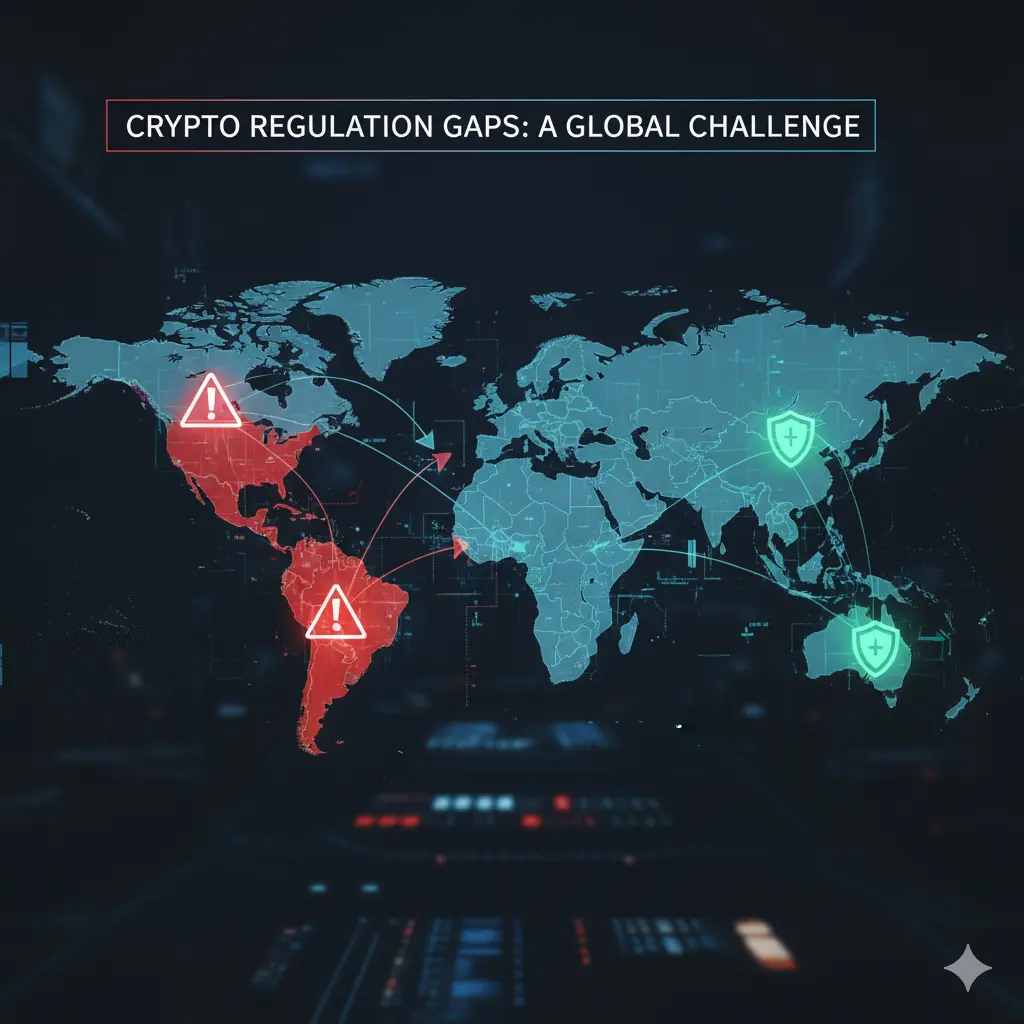
3. The Core Issue - Gaps that Could Shake the Market
By "gaps," regulators mean the difference or absence of laws across several countries. For instance, one country may totally regulate exchanges while another permits them to operate without supervision. This lacks clarity and possible misuse.
Particularly concerning are stablecoins, which are designed to hold a fixed value. These reserves and operations are often left unchecked in the absence of clearly demarcated boundaries for their reserves and operations. DeFi projects add another layer of complexity: nearly all of them are anonymous and global, making it almost impossible to regulate them legally.
Without an immediate solution, these fissures of the system can jeopardize the entire financial stability.
4. Countries Struggling to Keep Pace with Innovations
Cryptocurrency gore erupts faster than ever under any legal framework. Governments and central banks are trying to understand systems that were built to avoid central control. What more, innovation is accelerated, with new DeFi applications and NFTs launching every month, along with newer blockchain protocols.
Lack of coordination, quite simply, is another major obstacle. The United States, for example, has a different strategy for its regulation than the EU, which follows the more structured way of laws such as MiCA. Most of Asian countries are still testing their policies. This mix-match approach doesn't really help for global cooperation.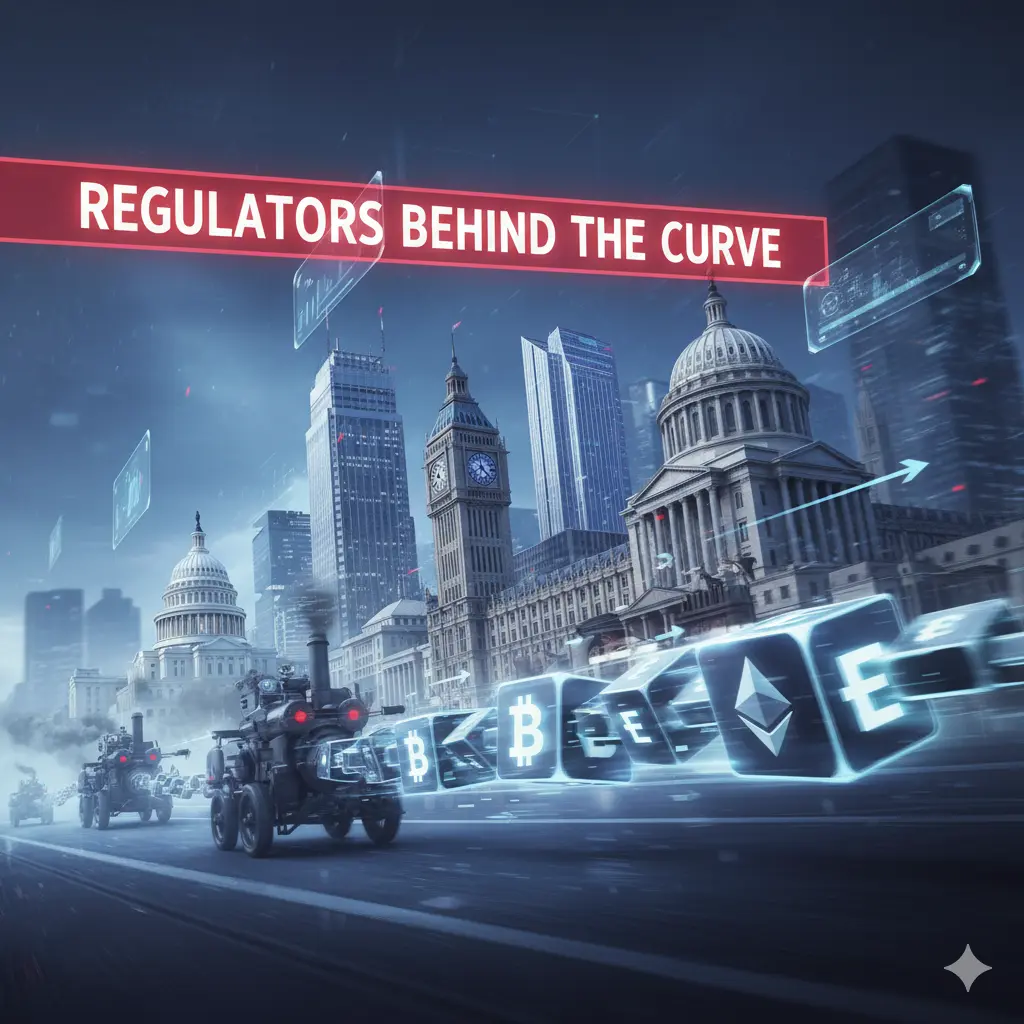
5. What It Means to Investors and Traders
More than a theoretical warning, real money is at stake for investors. Sudden bans from venues, the freezing of withdrawals, or uncertain tax demands become more typical risks with the absence of uniform regulation. A trader may wake up to find the access to one's favorite platform restricted or assets temporarily locked down.
Well, it is not all that bad. Good regulation creates safer markets. Once clear rules are in place, large financial institutions are more inclined to enter the space, thus bringing credibility and stability.
-Investor take-off: remain alert to legal updates, trade on an exchange that is compliant with local rules, and never base an investment solely on hype or unverified projects.
6. Push for Global Crypto Standards
With that rising pressure, major countries are now in the conversation about creating those frameworks in common. One is the European Union's Markets in Crypto-Assets (MiCA) law, which is viewed as a template for other parts of the world. It contains specific frameworks concerning exchanges, stablecoins, and token issuers, which the rest of the world lacks.
Global standards are poised to ease cross-border operations while ensuring investor protection. This could also prevent governments from money laundering and fraud but with just the right amount of innovation stifling.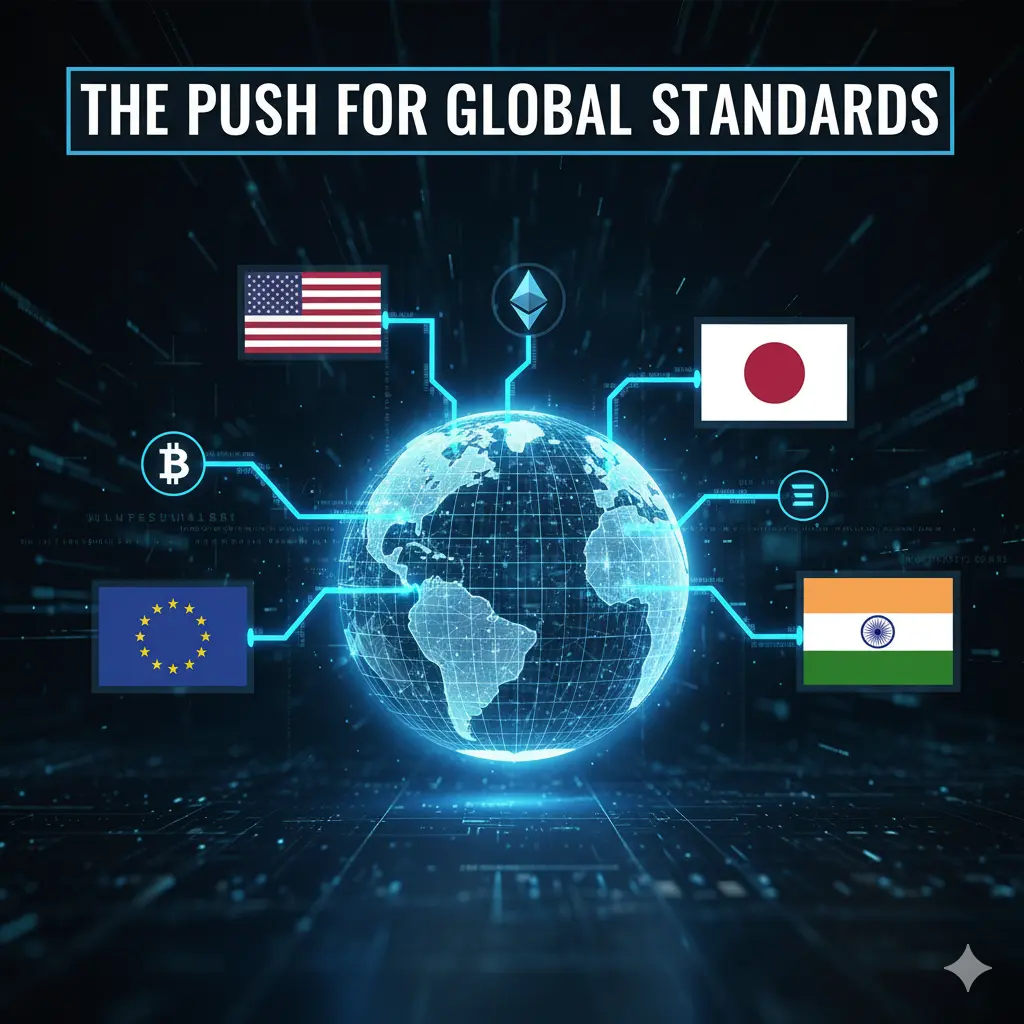
7. Road Going Forward- What Lies Ahead for Crypto Regulation
For now, expect more and more calls from regulators on potential enforcement for exchanges and stablecoin providers. KYC (Know Your Customer) and AML (Anti-Money Laundering) checks are also likely to be even more stringent in the near future. Disclosure standards would also be introduced for DeFi protocols.
In the longer term, the rise of Central Bank Digital Currencies (CBDCs) would further shape the regulatory landscape. Governments are expected to introduce their own digital currencies in competition to private crypto initiatives while fusing innovation with regulation.
Regulation does not kill crypto, but it clearly signals the development from a wild frontier to a mature financial ecosystem.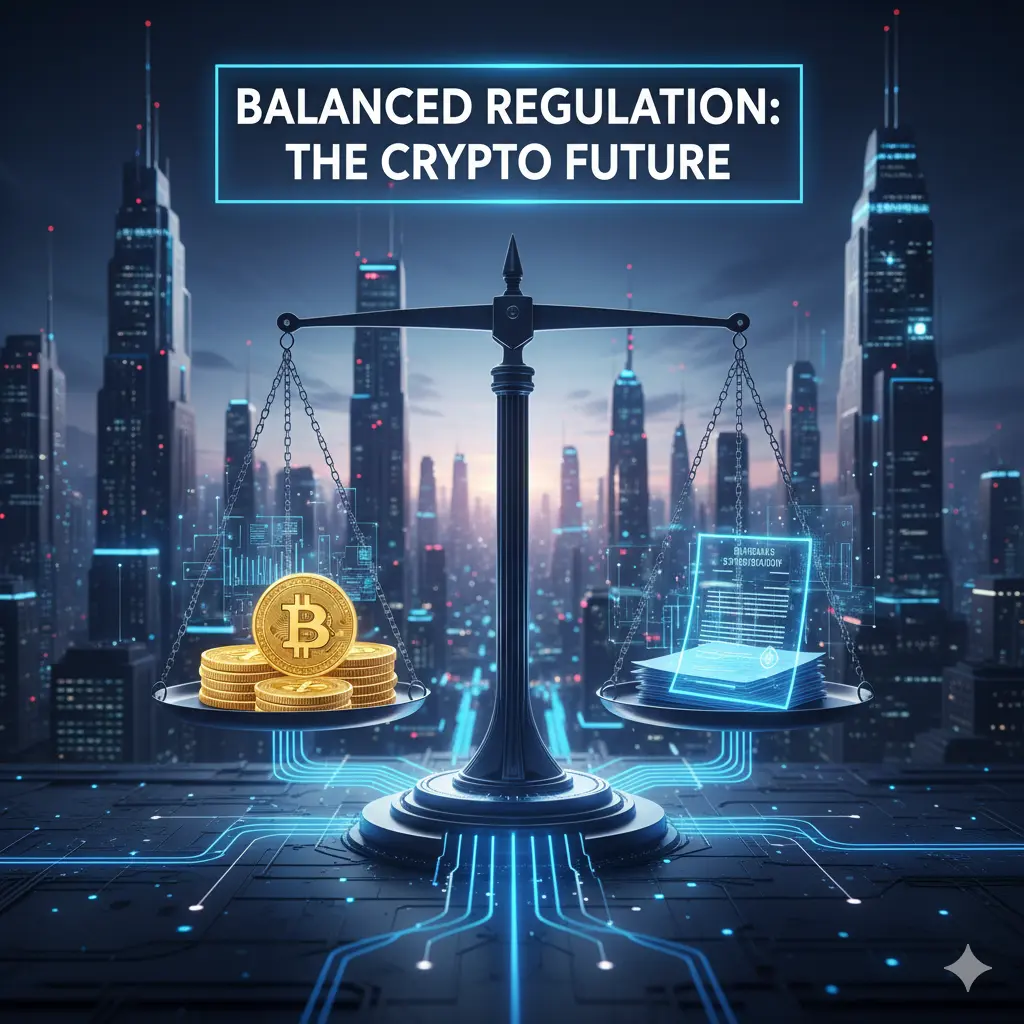
8. Conclusion- What You Should Do Now
The message coming from this global watchdog is clear: there need to be rules around cryptocurrency before the chaos sets in. However, this does not mean that all opportunities have come to an end. Properly executed, regulation can build trust, protect investors, and lay the groundwork for sustainable future growth.
For both traders and holders, awareness would be the best way to go about it. Be informed on policy changes, diversify portfolios, and always transact on compliant platforms. Crypto is still growing and maturing with brighter lights that watch it. The next stage in the evolution will belong to individuals who adapt, remain informed, and understand that stability can create innovation.