
Gambling going mainstream is not new. What is new is how it is being repackaged.
Kalshi’s recent partnerships with CNBC and CNN mark a shift. Not because prediction markets suddenly appeared, but because they are now being framed as financially helpful. Kalshi’s CEO has openly said that prediction markets can improve your financial decision making. The message is clear. This is not gambling. This is information.
Legally, Kalshi leans on that distinction. It does not call itself a gambling company. It calls itself a prediction market. Users trade contracts with each other, not against the house. Kalshi simply takes a fee. Structurally, it looks like a marketplace.
But volume tells another story. Roughly ninety percent of activity still comes from sports outcomes. Calling it prediction does not change how it is used.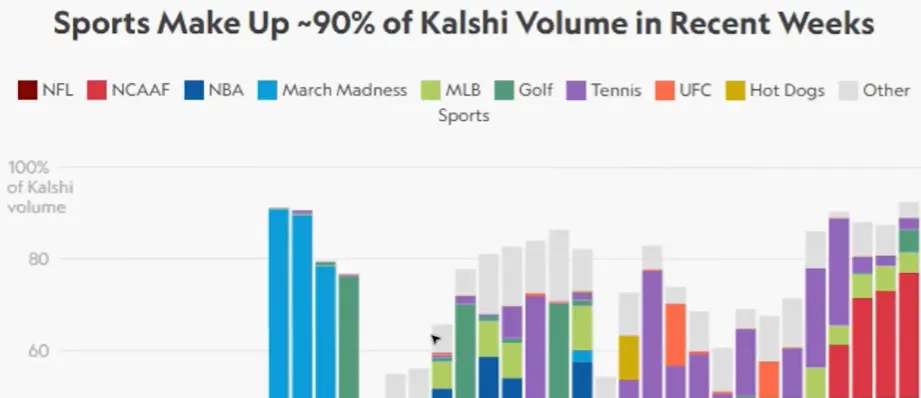
Robinhood’s CEO has defended these markets by arguing that gambling requires a house, and prediction markets do not have one. Buyers and sellers meet, prices form, and the platform stays neutral. These platforms are also registered, which makes the model feel safer by design.
That logic makes sense. And it is exactly why traditional gambling companies are uncomfortable.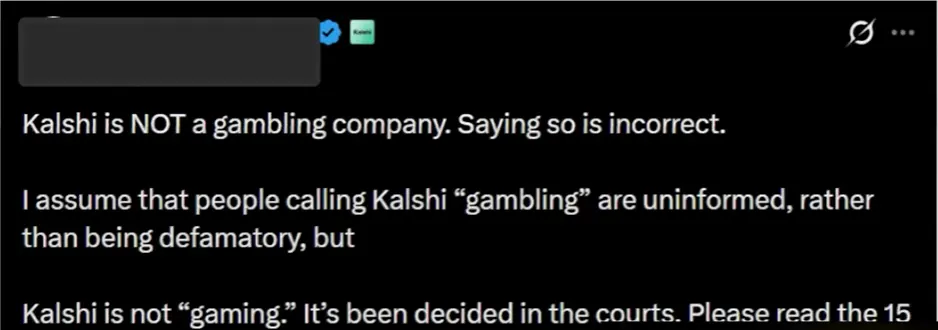
The American Gaming Association recently updated its stance, arguing that prediction or not, this is still betting. From their perspective, prediction markets are cutting through regulations that casinos and sportsbooks are forced to follow. Where gambling firms have to engineer profitability around strict rules, prediction markets slide into finance apps and take volume quietly.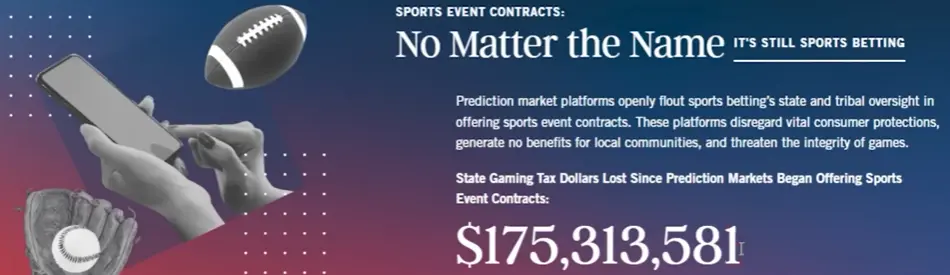
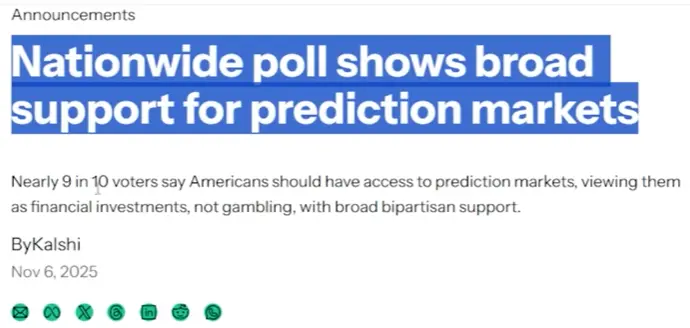
Public messaging now reflects that tension. Gambling groups warn about risks to consumers and sports integrity. Prediction platforms respond by distancing themselves from insider trading and manipulation claims. Both sides release polls that support their own narratives. The disagreement is less about harm and more about control.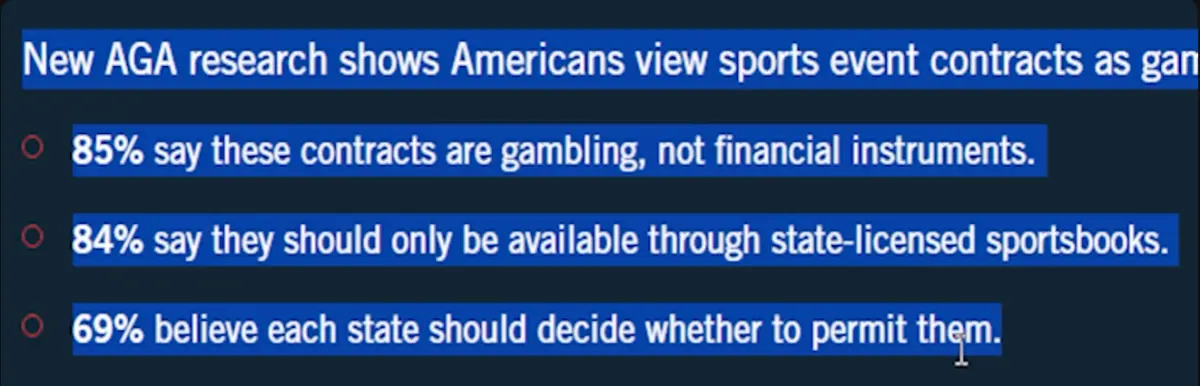
That pressure has triggered a response. Platforms like Robinhood, Coinbase, Crypto.com, and Underdog have formed a coalition called Predict Action. The goal is simple. Prevent prediction markets from being regulated as gambling.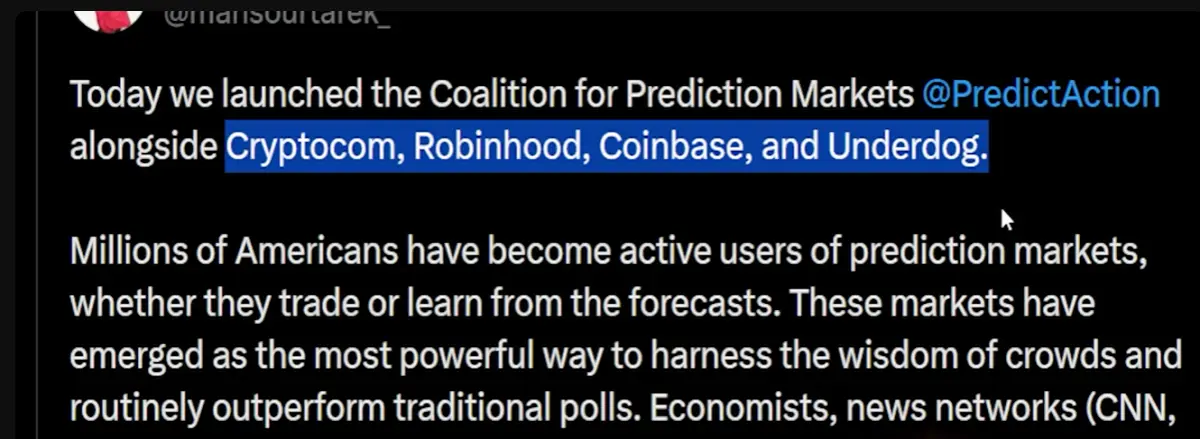
This is not a debate over definitions. It is a fight over who gets to own the future of betting. And as finance apps, media networks, and markets blend together, the line between investing and wagering is no longer accidental. It is strategic.






