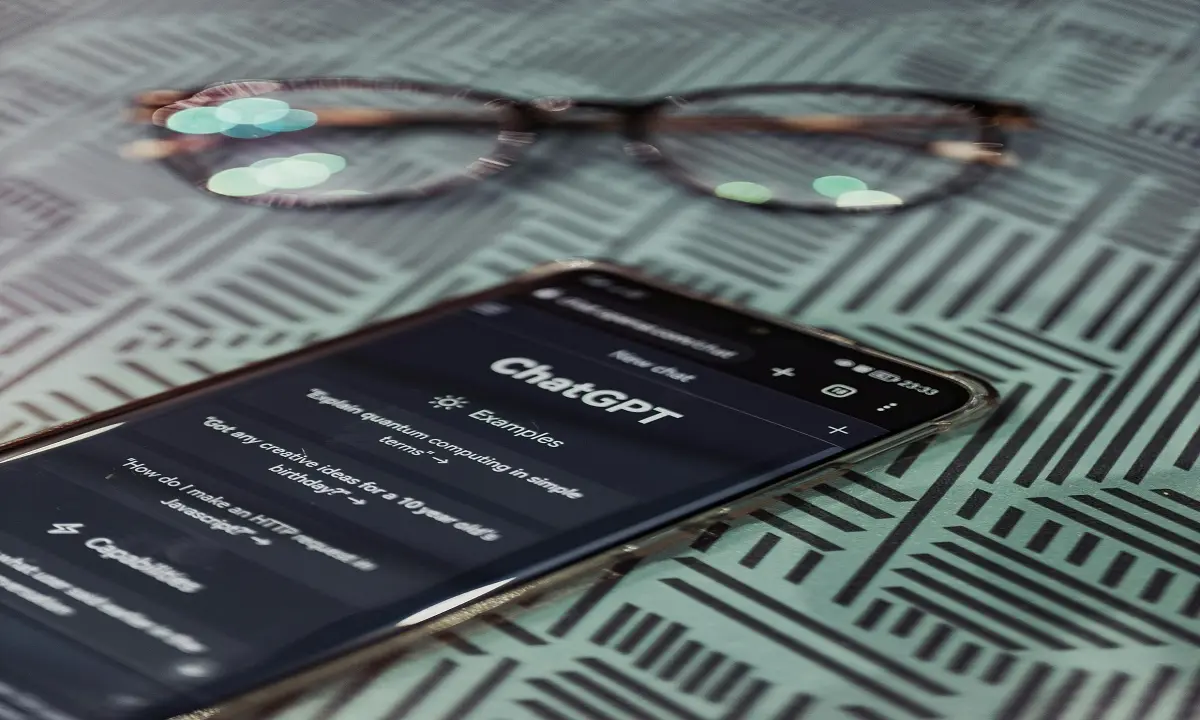
Photo by Matheus Bertelli: https://www.pexels.com/photo/a-cell-phone-with-a-glasses-sitting-on-top-of-it-16094062/
OpenAI is busy testing a new feature that will give its AI model ChatGPT the ability to have a memory, which in turn will be used to store information from previous chats of a user. This is the latest feature announced by OpenAI. OpenAI recently launched its GPT Store, an online marketplace where users can share custom chatbots with other users.
The memory feature will include users voice, their tone and personal preferences. The main objective of all this is to be able to create a more customised experience for future requests by users.
However, Users will be given the choice to choose whether they want their conversation to be stored by ChatGPT. This will allow the chatbot to remember specific details about its users over time to create more personalised responses, OpenAI said in a blog post.
User’s will also be able to control what information will be stored by ChatGPT about them, the company said. The chatbot’s “memories” will “evolve with your interactions,” which will allow it to determine with time what information of a particular user be stored.
If a user asks ChatGPT to create a birthday card for a child the user previously said likes jellyfish, OpenAI used as an example, ChatGPT may create a card featuring a jellyfish wearing a party hat.
Joanne Jang, OpenAI’s product lead, told Bloomberg that while the new memory feature can store information about the user, it was also designed to not save sensitive personal information like passwords, passport numbers or details about the user’s health.
This feature will be available for some free and paid ChatGPT users this week before it becomes more widely accessible, OpenAI said.
During the Dubai-based World Governments Summit, OpenAI CEO Sam Altman emphasized his concerns about the possible dangers of artificial intelligence. Altman said that he was “not that interested in the killer robots walking on the street direction of things going wrong,” rather he was “much more interested” about the “very subtle societal misalignments” that could make the technology dangerous.
This article was first published on Medium
Resources :
https://www.pexels.com/photo/a-cell-phone-with-a-glasses-sitting-on-top-of-it-16094062/