
When I wrote about Linux reaching 1% marketshare on Steam for the first time since the Steam Linux client launched back in 2013, I concluded my article with this phrase:
This the best opportunity the Linux desktop has had since arguably Windows Vista. Hopefully, this time, the opportunity is taken advantage of fully.
Historically, Microsoft always seem to release a "good" Windows every other release. Windows 98 was good, but Millennium was a complete shitshow. I remember frequently needing to hit the restart button because the computer would keep crashing.
Windows XP was my favorite Windows operating system of the bunch. It was stable and the UI was simple, but intuitive. My fondness of XP is the main reason why I went with Linux Mint as my distro as the layout is extremely similar. Unfortunately, Microsoft followed up with Vista. While not as atrocious as ME, in my opinion, Vista was resource hungry and ran slower than XP. Oh, and by the time Vista launched, Ubuntu was 3 years old.
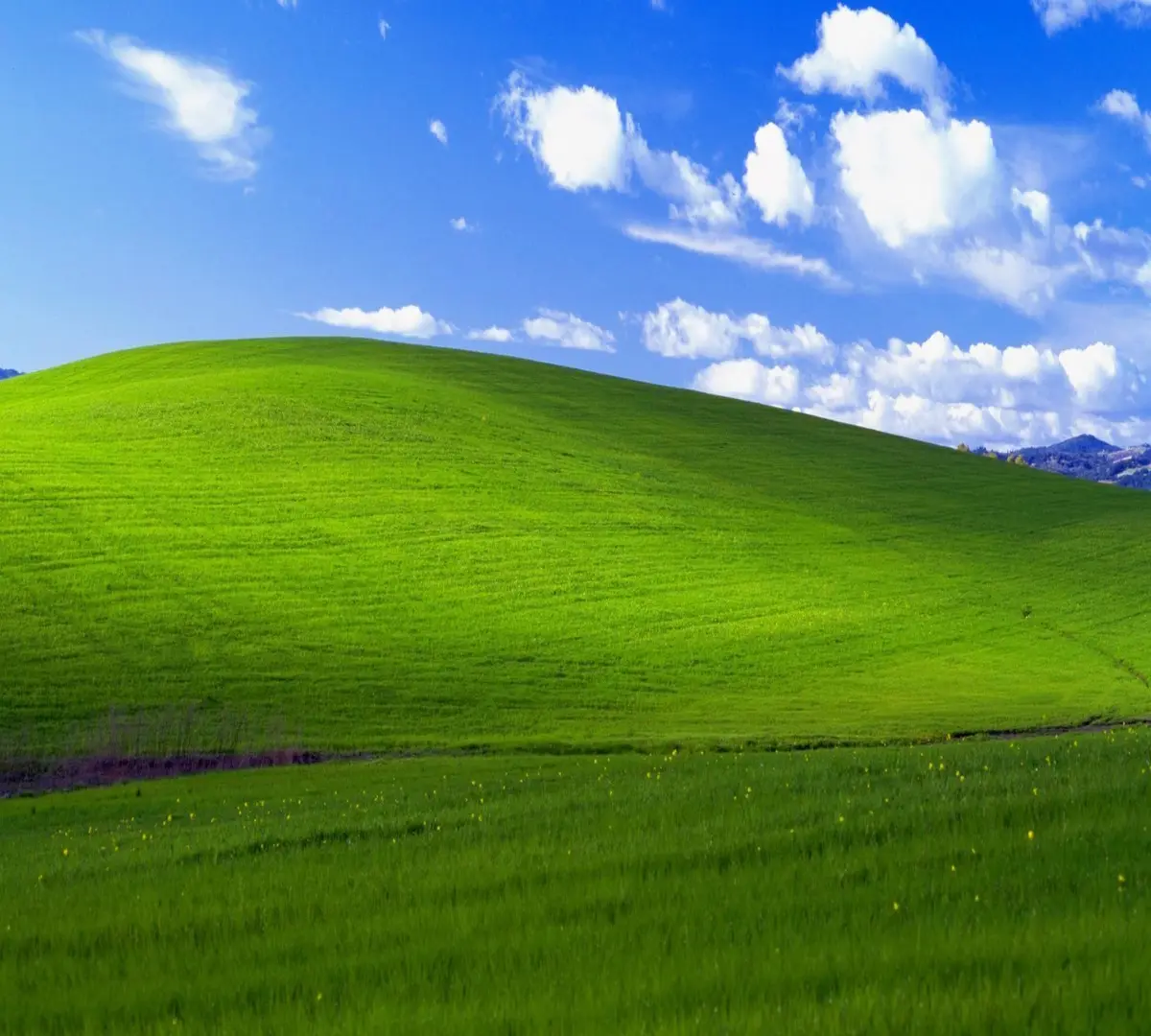
This wallpaper brings back some good memories.
Microsoft recovered with a solid Windows 7 release. However, it followed up with Windows 8 that introduced a lot of features people didn't really ask for like Metro. This was also when Microsoft launched the Windows Store as an attempt to centralize Windows software downloads to its own client.
That last part is the main reason why Gabe Newell and Valve began to branch out their services to Linux. They were concerned about Microsoft establishing a walled garden where it can flex its monopoly muscles and dictate the rules for software developers. In 2013, Valve released the Linux Steam client and two years later, the company launched the Steam Machines, though they flopped.
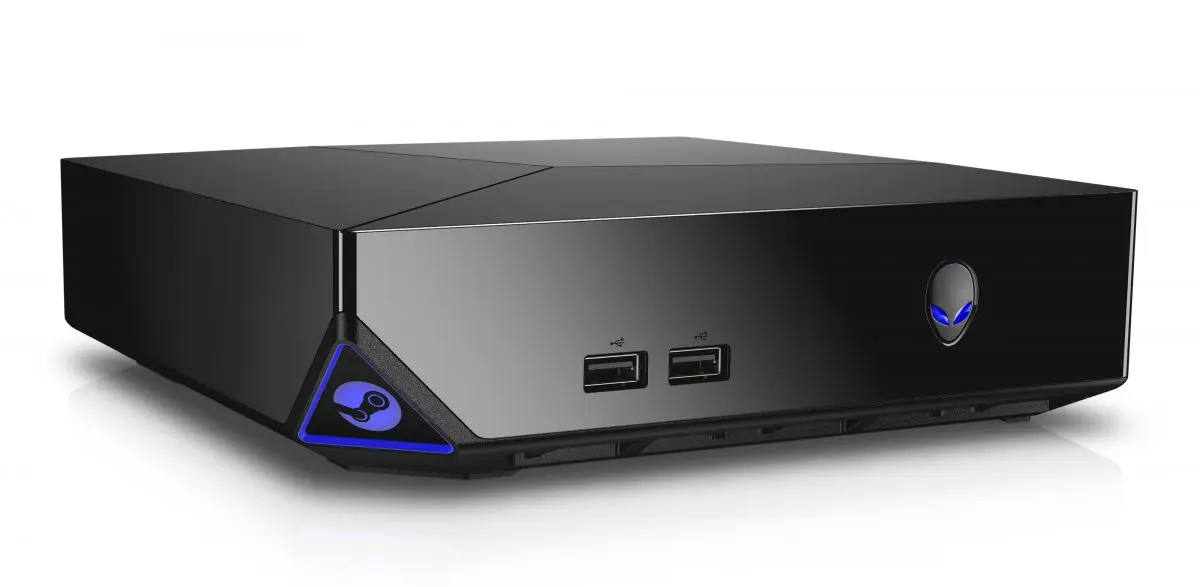
The idea of not needing Windows to play PC games sounded nice, but not many developers were willing to port to Linux.
I am actually very hesitant to consider Windows 10 a "good" Windows. While 10 is definitely better than 8, there are several things about 10 I do not like. For one thing, it comes with a lot of software that I don't need like the Xbox app, 3D Viewer, or Groove Music. I didn't like how Cortana would always run, though you can disable it with a debloat script. Lastly, the automatic updates and telemetry concern me from a privacy and ownership standpoint.
Now, Windows 11 is on the horizon and not many people are particularly happy. Windows 11 requires a Trusted Platform Module (TPM) 2.0 chip to install the OS, so hardware that is 5+ years old will be blocked from the upgrade. On top of that, you're required to have an internet connection and a Microsoft account for first time setup. To me, that sounds pretty intrusive.
It gets worse from there. Apparently, the alpha images of Windows 11 do not enforce the TPM 2.0 restriction, so you can run the alpha versions on older hardware. However, on a July 21 livestream, Microsoft Program Manager Aria Carley stated that the final version will enforce the limitation. Her reasoning for the restriction was "to keep devices more productive, have a better experience, and most importantly have better security than before so they can stay protected in this new workforce".
The video is unlisted. I won't be surprised if it eventually goes private.
The reception was predictably negative. As Windows Central pointed out, one of the top comments said "A lot of [Aria Carley's] answers come off as super tone deaf. It's looking like Windows 11 will be another Windows 8" with other comments hypothesizing that the TPM 2.0 restriction is a "thinly veiled ploy to warrant fresh license purchases alongside new machines since free upgrades to existing computers won't earn Microsoft revenue".
Speaking about comments, the channel disabled comments as well as live chat replay. Bizarrely, it did not disable the likes/dislikes functionality. As for now, the dislikes overwhelming outnumber the likes by over a 100 to 1 ratio.

That brings us to the title's question: could Windows 11 be Linux's best chance? With Windows 11 receiving a lot of negative reception and Linux hitting an all-time high of 2.68% in general OS marketshare, it does appear that Linux has an opportunity to increase its marketshare significantly.
The Steam Deck seems to be preordering extremely well and the recent hands-on videos from popular PC centric YouTubers like Linus Tech Tips and Adam Savage's Tested are very positive. Assuming that the majority of Deck users stick with the preinstalled SteamOS and not replace it with Windows, then that will provide a substantial boost to Linux's marketshare and yes, you can use the Deck as a regular PC, too.
However, not every one plays video games or game on the PC. On top of that, there are a bunch of popular non-gaming software like like Adobe Photoshop and Premiere that only run on Windows. Yes, there are alternatives such as GIMP and Krita, but they work very differently. You can't just go up to longtime Photoshop users and tell them to learn how to use a different image editing software. It's time consuming and will disrupt their workflow and that's just not going to fly.
The next year or so will be very interesting for the Linux desktop. With Microsoft shooting itself in the foot and with the Steam Deck soon to be released this December, there is that window (pun unintended) of opportunity Linux can take advantage of. That said, there are still many unanswered questions. Even if the Steam Deck sells well, will the "actual" Linux desktop userbase grow significantly or will the vast majority of Linux's growth come from just the Deck? If Linux grabs more marketshare, will companies like Adobe be willing to provide a Linux version of their software? Time will tell.
Windows 11 may be Linux's best chance in a long while, but it's not necessarily a great chance.





