

You've heard of Bitcoin, but recently a lot of people are starting to talk about "Altcoin Season". An Altcoin, or Alternative Coin, is any cryptocurrency other than Bitcoin! As of writing this article, there are over 9000 different cryptos on the market (according to CoinMarketCap)! That's a lot of Altcoins. Although similar to Bitcoin, Altcoins distinguish themselves from the pack with other additional capabilities, like low-price volatility and the usage of smart contracts.
Bitcoin uses a Proof-of-Work (PoW) consensus, meaning that a massive network of computers solves complex problems and equations to transact, verify, finalize, and record everything occurring on the blockchain.
I am not sponsored by anyone or anything mentioned in this article.
This is not financial advice. I am not a financial advisor.
Please do your own research before making any decisions before investing.
This article is meant for educational purposes only.

Altcoins are derived from Bitcoin and tend to move with the price trends in a similar fashion. For example, if Bitcoin is rising or crashing, the Altcoin will correlate in price and generally move alongside it. The more the Altcoin grows in volume and the more it matures, the Altcoin should break off from the Bitcoin trends and begin to fluctuate on its' own. But since there are so many cryptos saturating the market, why is everything directed back to Bitcoin? Well, Bitcoin is the first iteration of cryptocurrency. The philosophy surrounding Bitcoin sets the standard for all other coins/tokens in the crypto world since the beginning. The Bitcoin network does have its downfalls though. Altcoins have stepped in and picked up the slack where Bitcoin was lacking and created improved consensus methods to meet the demands of the market.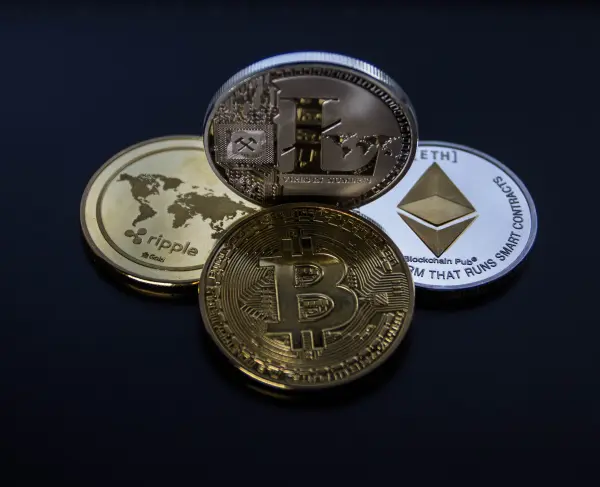
Although Bitcoin is the "grandfather" of cryptocurrency, Altcoins have made cryptocurrency a bit more ergonomically-friendly. Many Altcoins utilize Proof-of-Stake (PoS) consensus. This aims to minimize energy consumption of mining and producing the coin/token, and also minimizes the amount of time it takes for a transaction to take place on the blockchain. If you've heard of Bitcoin, you've most likely heard of Ethereum. Ethereum is currently the second-biggest crypto by market cap. It's used as gas to complete smart contracts on the Ethereum blockchain. Since Altcoins tend to not show the same characteristics as Bitcoin in terms of extreme price volatility, Altcoins/Stablecoins are ideal for completing your daily crypto transactions throughout the market.
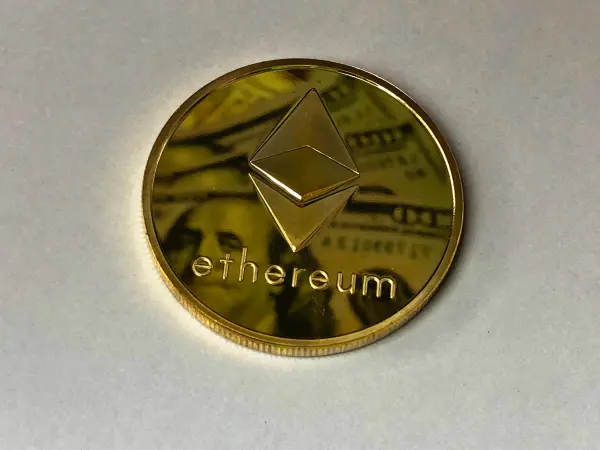
Although the biggest Altcoin, Ethereum isn't the only type of Altcoin in the market of course! There are several different Altcoins and they serve different purposes. I will be going over these different types directly below!
- Mining-Based: These coins/tokens are mined into existence. Mining-based Altcoins are generally used with Proof-of-Work (PoW) consensus. This means that systems generate new coins/tokens by solving a series of complex problems and equations to create additional blocks in the blockchain, similar to Bitcoin. Altcoins can also be pre-mined, meaning that these coins are not produced via an algorithm. Instead, these coins are already produced and distributed prior to being in the crypto market.
- Stablecoins: These coins aim to mimic the value of fiat currencies, such as USD, or a precious metal, such as gold. This reduces the volatility of the coin in the ever-growing crypto market, giving stakeholders the confidence that they will not lose their overall value within their portfolio. These act as a metaphorical reserve for the holder, as these coins will stay on track with the current value of whichever fiat currency the coin is pegged to.
- Security Tokens: Security tokens are tokens that will get you as close to the regular stock market as you can get with crypto. They often promise equity in the form of ownership or a dividend payout to holders. This promise draws investors in, as it gives the stakeholder a sense of "security", aiming to have price appreciation rather than depreciation.
- Utility Tokens: These tokens are used to provide services within a blockchain. These can be used to purchase goods and services or to redeem rewards within the system. Utility tokens do not pay out rewards to holders.
So which coin is better, Bitcoin or Altcoin? Well, that's up to you!
I am hoping this article helped you understand what an Altcoin is and how it differentiates from Bitcoin. There are thousands and thousands of Altcoins in the market and new ones are being added each week. Browse through your favorite crypto market tracking app to see which one best suits you!
Do you have a favorite Altcoin that you are interested in?
Let me know in the comments down below!
Thanks so much for reading!
Please feel free to follow my page for daily blog posts about crypto news, updates, and research!
Have a wonderful day!






