
The demonstrations usually unfolded like this: at first, a few dozen of us would walk together quietly. As our numbers grew, we’d start chanting. I remember one time when we were already several hundred strong, shouting slogans and moving down the street—when suddenly a tear gas canister slammed into the railing right in front of my feet. It let out that awful, piercing hiss. Yet we kept walking forward, refusing to scatter.

That sensation of resistance and stubbornness in face of possible death is still rooted inside me and makes me feel alive to this day.

I remember how the plainclothes forces would charge at the crowds of young people, swinging their batons wildly, beating them until blood stained the streets.

They didn’t hit us girls as much, but I got so angry that I cursed at them. One of them flew into a rage, raised his baton high, and brought it down on my shoulder with such force that the bruise lingered for three whole weeks.
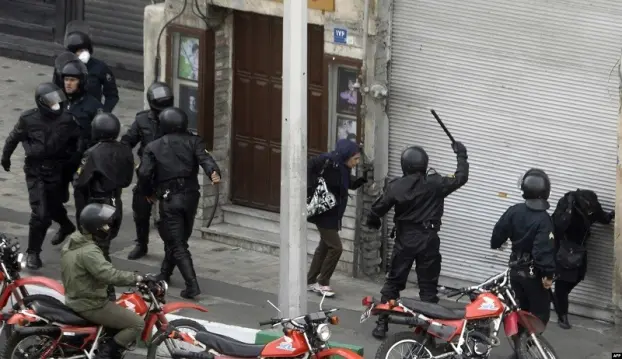
I remember a mother wailing, crying out that they had taken her son away. I held her tightly, desperate to keep her from falling into the hands of the security forces herself. Then, along with a few others, I darted into a narrow alley, the roar of motorcycles right behind us as the forces gave chase.

We ran through the alley, banging on doors, hearts pounding. Suddenly, someone opened theirs, and we all rushed inside, huddling silently behind the door, waiting for the sound of engines to fade away.
Only later did I realize how terrifying that moment truly was—how little I understood the danger back then.
To be continued ...






