
Picture a quiet village of around 225 houses in rural Scotland. That’s where I live. There’s fields that roll on for miles, a ruined 16th-century castle that me and my friends would explore and climb when we were kids. Unless you’re a local, it’s the kind of place that's very easy to skim past on any maps app and be oblivious to its existence. But if you visit in person… wow! The scenery, the buildings - it’s a lovely village. This village is called Auchtertool (pronounced Awk-Ter-Tool if you don’t have a Scottish accent!)
Now imagine a tech giant proposing to build one of the largest AI data centres on planet Earth right next to it.
Let me describe how big without pulling my pants down:
- Six buildings, each 35 metres tall. That's roughly the same as eight double decker buses stacked on top of each other.
- 100 foot pitches worth of land.
Here’s what that looks like…
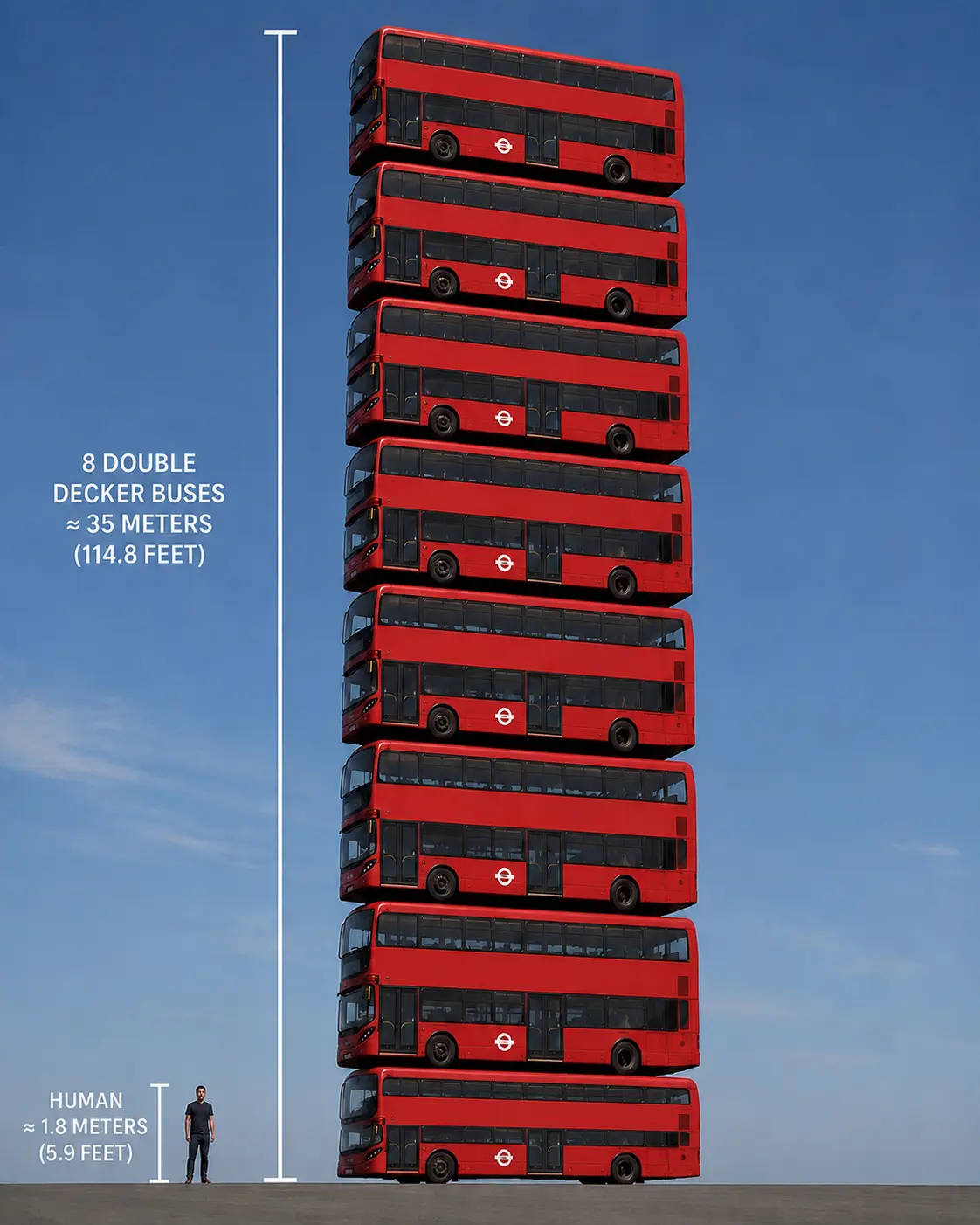
(Credit: Canva Image Generator. Unsure why the lowest bus is slightly smaller than the others after multiple prompts)
And here’s the area it would cover if it were built in central London…
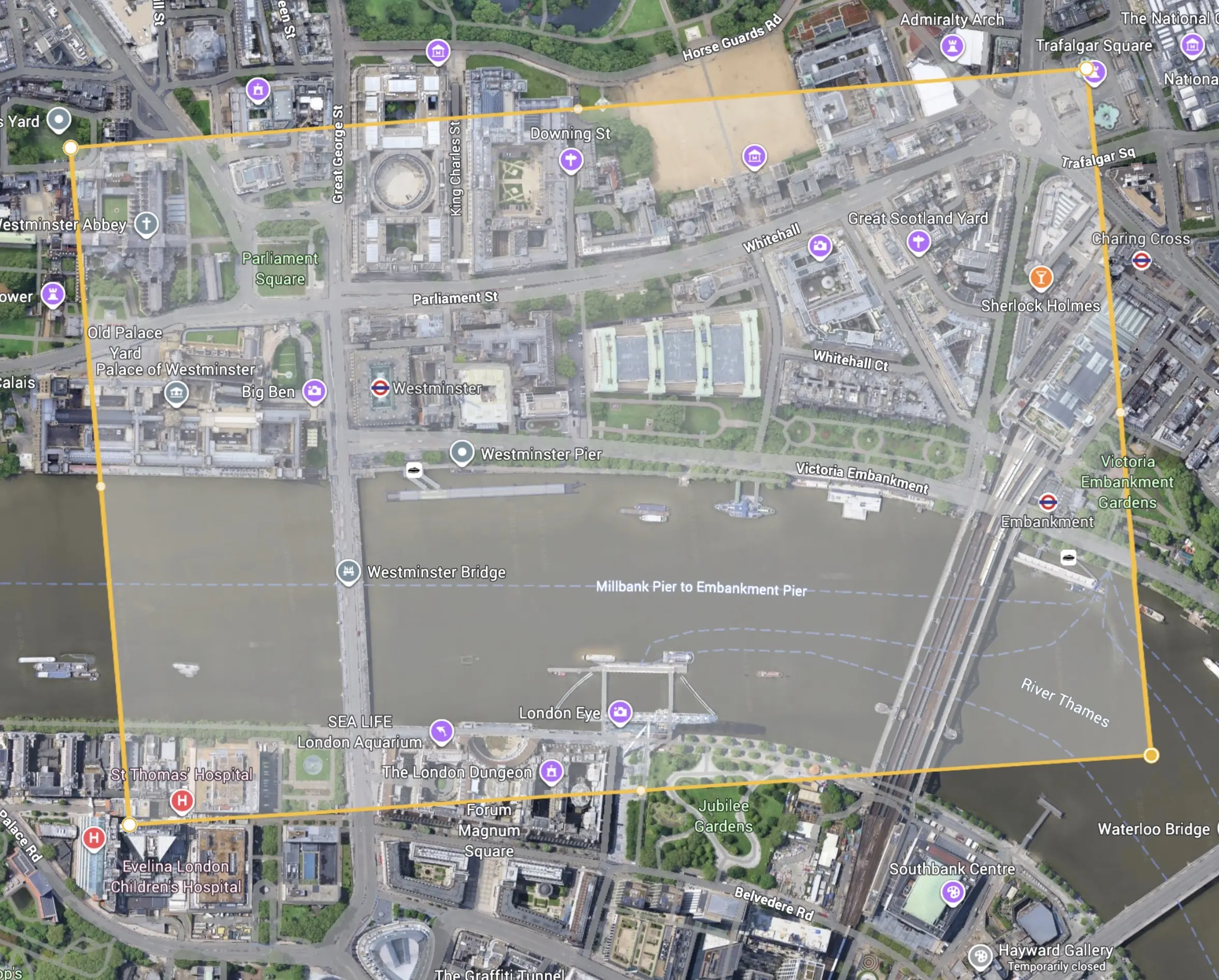
(Credit: Google Earth Projects.)
So… When Did This Come To Light And What’s Actually Being Proposed?
Well, an application has been submitted by ILI Cato Limited, a subsidiary of a Scottish ‘clean’ energy company, for a 600 megawatt data centre campus on farmland to the north-west of the village. It will obviously operate 24 hours a day, 365 days a year and house thousands of GPU’s and servers designed to store, process, and power AI systems.
The £5 billion project which was filed with the local council (Fife Council) on 25th May, forms part of an even larger ambition. ILI is pursuing a £15 billion hyperscale data centre network called The Stoics, with additional sites proposed in other scenic areas in Scotland (Ayrshire and North Lanarkshire). The Auchtertool centre would be the biggest of the three, and by some measures, one of the biggest data centres in the world. The company’s CEO, Mark Wilson, has spoken publicly about the project's potential. He told the local and national news stations that the location was chosen partly because of the area's strong renewable energy infrastructure such as nearby wind farms and solar energy, meaning the data centre could theoretically run on green energy (600 megawatts from roughly 12 wind turbines and solar panels covering a small area, really?). He also brought up employment opportunities. A petrochemical plant ran by ExxonMobil closed earlier this year which resulted in around 400 job losses, and he mentioned that this centre could help those workers regain employment status. Sounds like a positive, right? But… most of those 400 people were working in the gas/petrochemical/engineering industry. I highly doubt a data centre will be looking to employ gas engineers and chemical workers.
The Landscape It Would Consume
Locals are upset because the proposed area doesn't just cover empty fields - it overlaps with the Auchtertool Linn Wildlife Site, a local nature reserve that is highly treasured by the community. And here’s where people started to get angry… the plans show the data centre building positioned directly over the ruins of Hallyards Castle, a 16th-century fortified structure that has been quietly crumbling into the hillside for centuries:
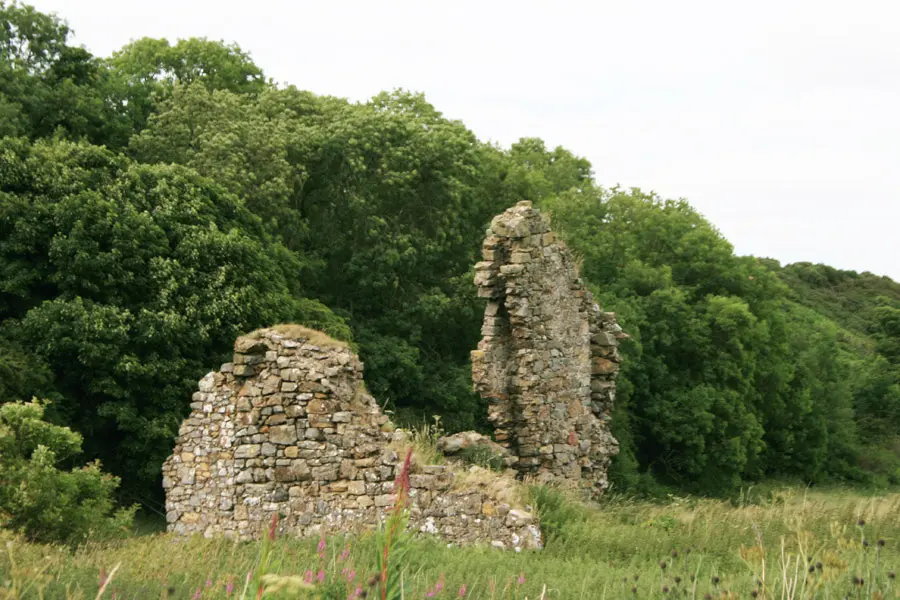
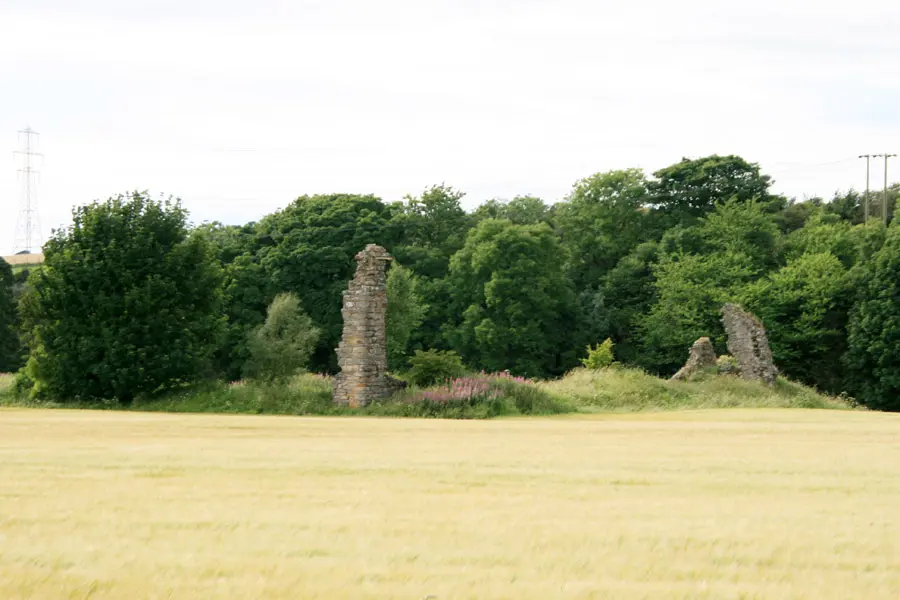
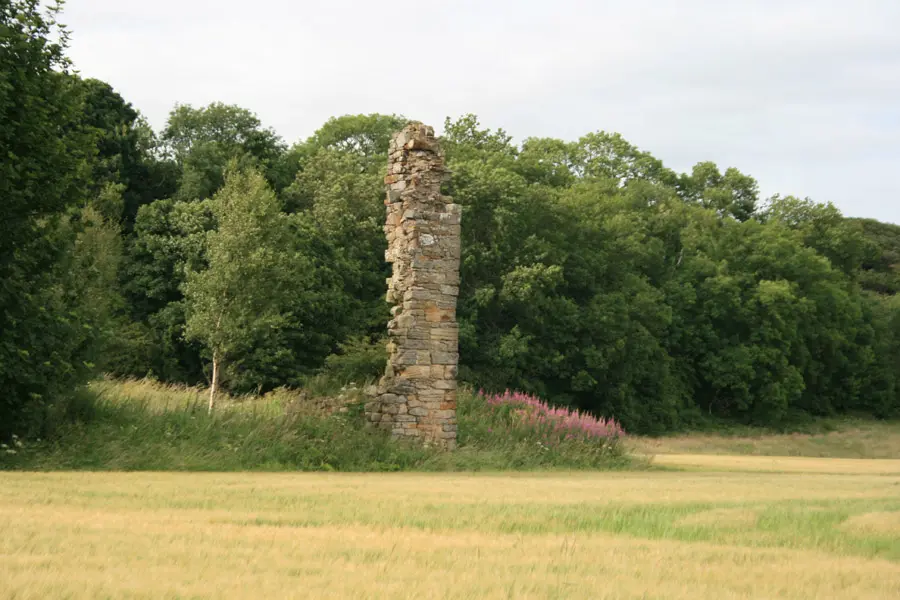
(Credit: https://www.stravaiging.com/history/castle/hallyards-castle-fife/)
The castle may not look like much to a lot of people. I know many people may glimpse at the ruins and think “it’s had its time, time for a data centre”, but it’s the rich history and the fact that parts of it are still standing 500 years after its construction that people don’t want to see it destroyed. It’s sat there for generations. Here is an early illustration:

(Credit: https://www.stravaiging.com/history/castle/hallyards-castle-fife/)
This is essentially a monument to the local community. Like I said, me and my friends would play here as children, like many generations before us. Plus, castles are treasured everywhere in the UK; crumbling or not!
The Energy Numbers Are Staggering (It’s Not “Green”)
A 600MW facility would consume around 4,200 GWh (4.2 million MWh) of electricity per year. What’s crazy is Scotland had around 2.55 million households in 2024, each consuming an average of 3,140 kWh per year. So that means this single data centre would use the same electricity as roughly 1.34 million Scottish homes which is over half the country's entire household energy supply. And they expect wind turbine and solar panels to produce this? Scotland's total energy consumption in 2024 was about 21,700 GWh. The Auchtertool data centre alone would account for approximately 20% of that. Including this and the two planned data centres I mentioned previously, these projects have been estimated to demand 6.2GW of power…
The Water Question Nobody Can Answer
Obviously Data centres are thirsty as well as power-hungry and use enormous quantities of water for cooling. This is where things get vague, because the planning application is light on detail. CEO Mark Wilson described community concerns over water usage as a "complete misnomer," insisting the centre will have ZERO impact on local supply by drawing directly from Scottish Water (Scotland’s national natural water provider). Scottish Water has confirmed it has capacity at the nearby treatment works based on the projected usage figures, however, there is no publicly-available data to back these claims! The media has checked, I have checked, and I can’t find any data to support this claim. That's not exactly a ringing endorsement! We’ve already seen the impact that data centres have been having on household water in other parts of the world, so let’s hope Scotland lives up to its reputation as being rainy.
What’s Next Going Forward?
Well there already been meetings with local MP’s, councillors and members of the community to discuss in more detail the positives, but mostly negatives of this proposed project. Online petitions have been made and have already been signed by thousands. Ultimately we don’t know what will happen. Even if millions sign a petition, it’s the ones with money and power who make the final call.
Finally, The Proposed Centre:
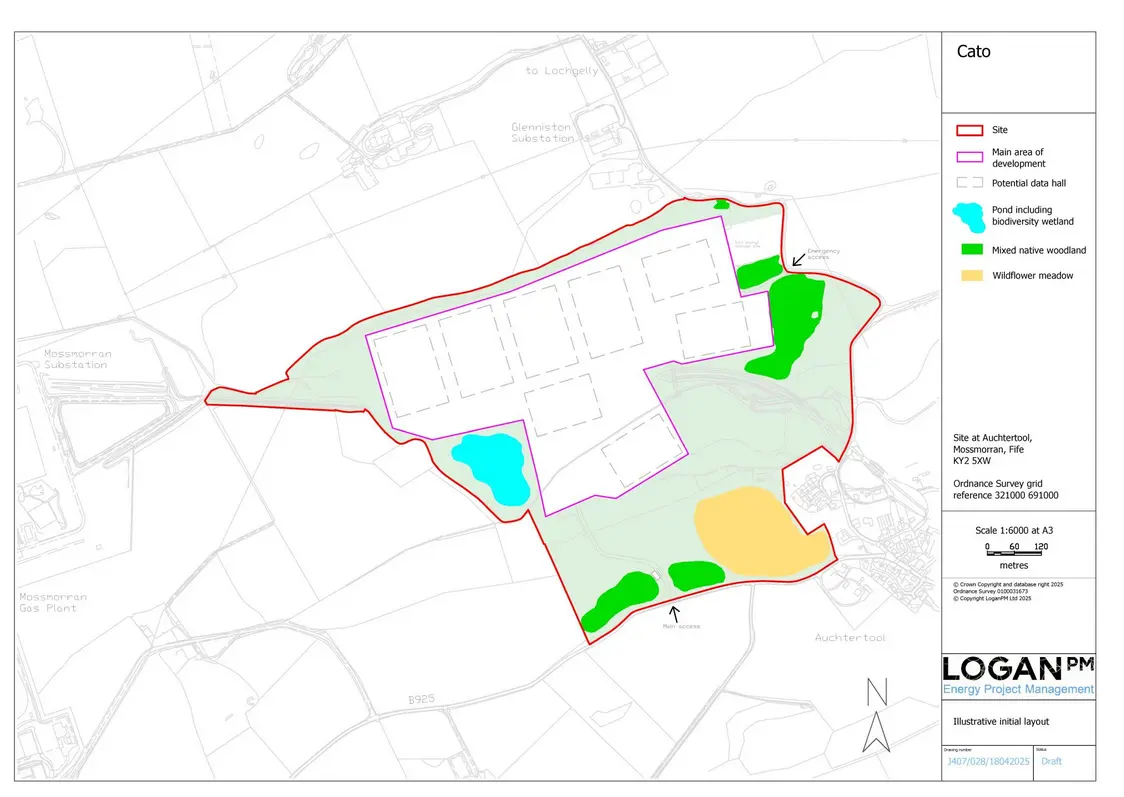
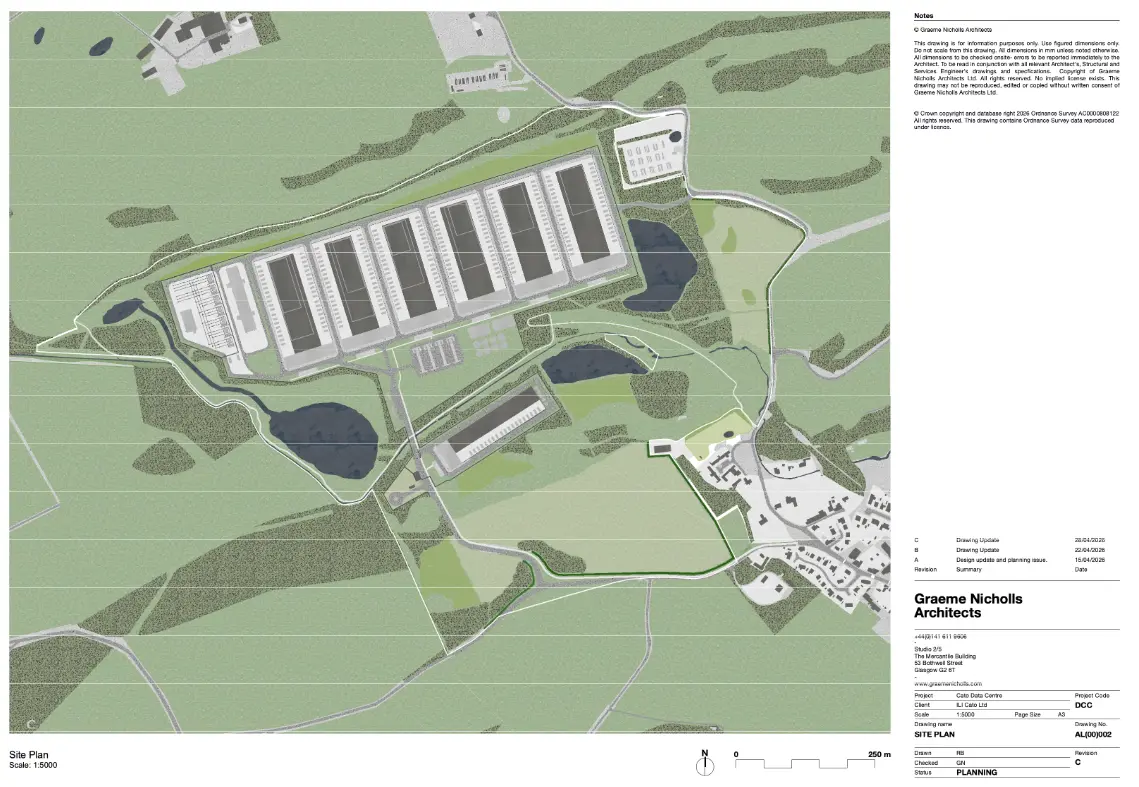
(Credit: https://aprs.scot/auchtertool-dc/
My Opinion…
The project will go ahead, the landscape and castle will be destroyed, water usage won’t be as promised, energy usage could cause issues and potentially price hikes. Yes some job opportunities will be created, and I’m perfectly aware than in the world we live in, data centres are needed - we don’t have a choice. But the locations need to be chosen more wisely and communities should be taken seriously. But unfortunately, I doubt that will happen.
Let me know your thoughts and thanks for reading!






