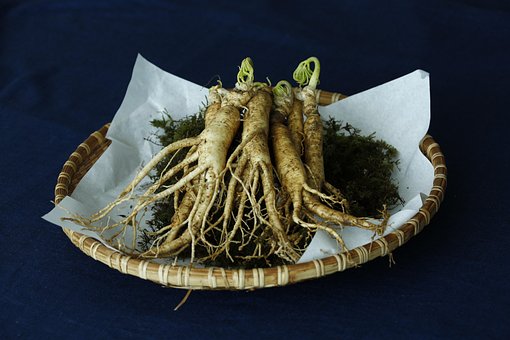
Many physiological processes depend on micronutrients, which are compounds needed in very small quantities by your body. Other compounds are supplements that are not required for life but may improve your health. Iron is a micronutrient that helps your circulatory system transport oxygen to your cells. Ginseng is not a required nutrient, but may help your body perform important functions. Taken together, iron and ginseng may be an effective remedy for anemia. Talk to your doctor before taking iron or ginseng supplements to make sure they are safe for you.
GINSENG FEATURES
American and Asian ginseng are related plants that belong to the genus Paxus and contain ginsenosides. Ginsenosides are chemicals that act in your body to improve health. Ginseng contains biotin, calcium, copper, choline, manganese, zinc, B vitamins and other molecules that may improve well-being. The root also naturally contains small amounts of iron. Traditional Chinese healers used the ginseng root to increase life, improve strength and cultivate wisdom. Modern alternative medicine practitioners believe ginseng improves a variety of medical conditions and alleviates negative effects caused by stress.

GINSENG CLINICAL EVIDENCE
Herbal medicine advocates use ginseng to cure a variety of ailments. The root is thought to improve immune system functioning and help your body fight infections. Some evidence suggests that Asian ginseng lowers levels of bad cholesterol and increases levels of good cholesterol. This improves your cardiovascular health and decreases your risk of heart disease. Ginseng may also be effective for treating menopausal symptoms, certain types of cancer, Alzheimer's disease, erectile dysfunction and Type 2 diabetes. Some people take ginseng to improve overall mental and physical performance. The University of Maryland Medical Center recommends taking 200 milligrams of ginseng one to three times per day.
IRON FEATURES
Manufacturers commonly use iron to make metal products, but your body also needs trace amounts of this element to stay healthy. Some dietary iron, called heme iron, comes from a red blood cell protein called hemoglobin. Non-heme iron is commonly found in foods, but your body does not absorb it as well as heme iron. Meat, chicken and fish are common dietary sources of non-heme iron. Heme iron comes from beans, tofu, spinach and fortified breakfast cereals.
IRON FUNCTION
One of the most important physiological functions of iron is to facilitate the transportation of oxygen to your cells. Iron also helps your cells grow and differentiate into specialized cell types. Symptoms of iron deficiency include tiredness, weakness, cognitive impairments, poor immune functioning, inability to regulate body temperature and inflammation of the tongue. Teenage girls, women of childbearing age, pregnant women, toddlers and people with gastrointestinal problems often need more iron. Adult men need 8 milligrams of iron per day, while adult women need 18 milligrams per day.
TAKING GINSENG WITH IRON SUPPLEMENTS
Some evidence suggests that taking ginseng and iron supplements together may be an effective treatment for anemia. People with anemia lack healthy red blood cells to deliver oxygen molecules to their cells. Anemia often causes fatigue, weakness, headaches and dizziness. The ginsenosides in ginseng supplements facilitate the absorption of iron in your blood. Taking iron supplements with ginseng allows your body to more efficiently absorb iron molecules, treating anemia.