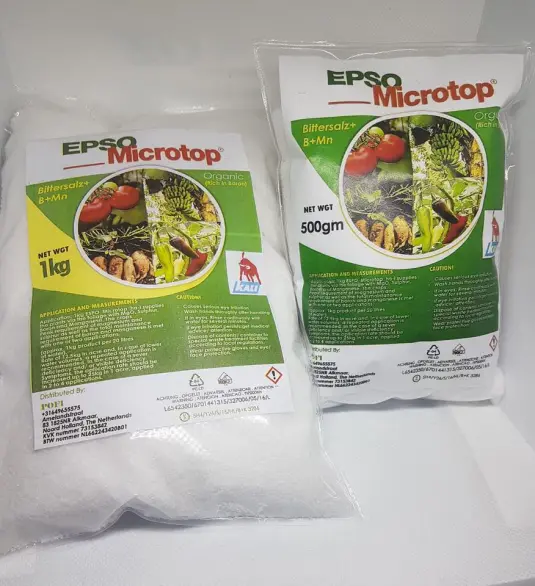
EpsoMicrotop (Epsom salt) is a companion organic input most cherished by many farmers who wish to grow their food in the most organic way because of it being traced right from nature. It is named after its bitter saline spring at Epsom in Surrey, England. It is among the naturally occurring mineral salts with a compound of magnesium and sulfate. Epsom salt is good for the for growing organic food with full nourishment.
This wonderful product when diluted in water, is easily taken up by plants, especially when applied as a foliage spray. Most plants can be misted with a solution of 2 tablespoons (30 mls) of Epsom salt per gallon of water once a month. For more frequent watering, every other week, cut this back to 1 tablespoon (15 mls).
Signs a farmer can look at to know the plants need Epsom salt (lack Magnesium and sulfur)
Plants need Magnesium and sulfur because these two are considered as building blocks in a plant's lifetime.
If a plant’s leaves turn yellow all over the plant, it can be a sign they need more sulfate. If lower leaves turn yellow between the veins (that is the veins stay green), they may need more magnesium.
Although magnesium and sulfur occur naturally in soil, they can be depleted by various conditions, including heavy agricultural use. But unlike most conventional commercial fertilizers, which build up in the soil over time, Epsom Salt is not persistent so you can’t overuse it. Organic farmers or gardeners can proactively mix Epsom salt with other organic fertilizers such as organic plant food and add it to their soil monthly, or they can mix one tablespoon with a gallon of water and spray leaves directly every two weeks. This natural product is a great recommendation for any organic farmer who loves to produce clean food. A difference can be told of food produced using this product in comparison to conventional fertilizers sold on markets.
- It helps seeds germinate, makes plants grow bushier, produces more flowers, increases chlorophyll production and deters pests, such as ants, slugs and voles. It also provides vital nutrients to supplement your regular fertilizer.
- It helps improve flower blooming and enhances a plant’s green color. It can even help plants grow bushier. Epsom salt is made up of hydrated magnesium sulfate (magnesium and sulfur), which is important to healthy plant growth.
- It allows plants to better take in valuable nutrients, like nitrogen and phosphorus.
- It also helps in the creation of chlorophyll, which is vital for photosynthesis plant process.
- In addition, it contains magnesium that greatly improves a plant’s ability to produce flowers and fruit.
- In case your soils are over used and are depleted of magnesium, adding Epsom salt will help.
- Since it poses little danger of overuse like most commercial fertilizers, you can use it safely on nearly all your garden plants or crops.
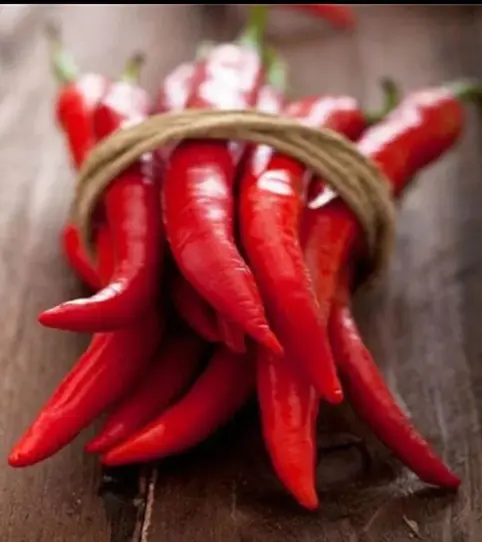
Note: Plants like roses, tomatoes, sweet potatoes,maize,Irish potatoes, peppers, among others require a lot of magnesium, and therefore, should be regularly watered with Epsom salt.
Have you used EpsoMicrotop before and you would like to give your view about the product for other to know more? Please give us your comment in the comment section below.
Also if you have found this article interesting? Feel free to share it as a gesture of support to our blog. Also you can show your support to us by simply downloading and using the Brave browser by just clicking the Brave Browser logo below. Brave will give you a whole new experience of the internet putting your privacy into consideration from cross-site trackers and unwanted scripts and also get rewarded for browsing the internet using Brave Browser. Plunge yourself into action and give it a shot using the link below

Did you know that you can earn a lot from reading articles like this or even share your own stories through your own articles via Publish0x. Just use the details before.

We love you!
Thank you
Julius M
Pure Organic Farming Input (POFI)