
Thank you for taking the time to read this article!! Please follow us on Greenconflict
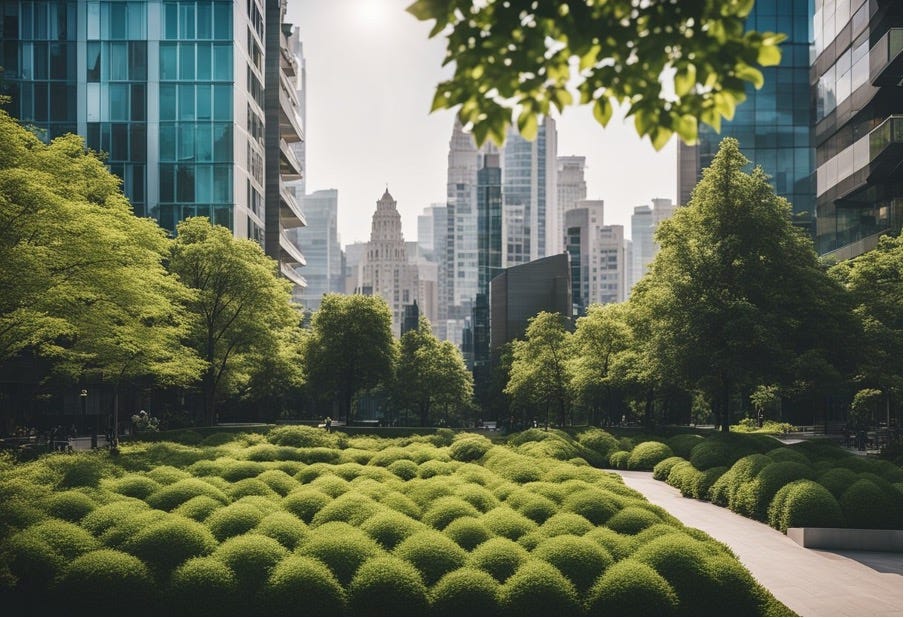
Urban green spaces are areas of land that are covered with vegetation, including parks, gardens, and other natural areas. These spaces are essential for the health of urban environments, as they provide a range of benefits to both the environment and public health. Urban green spaces help to reduce pollution, regulate temperature, and provide habitats for wildlife, among other benefits.
Understanding Urban Green Spaces is essential for policymakers, planners, and residents who want to create and maintain healthy and sustainable urban environments. The Impact of Urban Green Spaces on Environment is significant, as they can help to mitigate the effects of climate change, reduce energy consumption, and improve air and water quality. At the same time, Urban Green Spaces can provide a range of Health Benefits, including reducing stress, improving mental health, and promoting physical activity. Understanding the role of Urban Green Spaces in promoting public health is essential for creating healthy and sustainable urban environments.
Key Takeaways
Urban green spaces are essential for the health of urban environments, providing a range of benefits to both the environment and public health.
Urban green spaces can help to reduce pollution, regulate temperature, and provide habitats for wildlife, among other benefits.
Urban green spaces can provide a range of health benefits, including reducing stress, improving mental health, and promoting physical activity.
Understanding Urban Green Spaces
Urban green spaces refer to areas within urban environments that are covered with vegetation, such as parks, public gardens, and green roofs. These spaces provide numerous benefits to the environment and public health.
Green spaces help to mitigate the effects of urbanization, such as air pollution, noise, and heat island effects. They also provide habitats for wildlife and help to maintain biodiversity. Additionally, green spaces can provide opportunities for recreation and social interaction, which can contribute to mental and physical well-being.
Urban green spaces can take many forms, from large parks to small community gardens. They are an important component of the built environment and can be integrated into urban planning and land use strategies to create more sustainable and livable cities.
Green infrastructure, which includes urban green spaces, is becoming increasingly important for urban resilience and adaptation to climate change. By incorporating green infrastructure into urban design, cities can reduce their vulnerability to extreme weather events and other climate-related impacts.
Therefore, urban green spaces provide numerous benefits to the environment and public health. As cities continue to grow and urbanize, it is important to prioritize the preservation and creation of these spaces to ensure that urban environments remain healthy and livable for all.
Impact of Urban Green Spaces on Environment

Urban green spaces have a significant impact on the environment, providing a variety of ecosystem services that benefit both humans and wildlife. These services include air purification, noise reduction, and temperature regulation.
One of the most significant benefits of urban green spaces is their ability to reduce air pollution. Trees and other vegetation absorb pollutants such as nitrogen dioxide and particulate matter, which can have harmful effects on human health. According to a study published in the International Journal of Environmental Research and Public Health, urban green spaces can reduce air pollution by up to 60%.
In addition to air pollution, urban green spaces can also help reduce noise pollution. Trees and other vegetation act as natural sound barriers, absorbing and deflecting noise from traffic and other sources. This can have a significant impact on the quality of life for people living in urban areas.
Urban greening, the process of adding vegetation to urban areas, also contributes to environmental sustainability. Green roofs and walls can help reduce the heat island effect, which occurs when urban areas become significantly warmer than surrounding rural areas due to the absorption and retention of heat by buildings and other structures. This can help reduce energy consumption and greenhouse gas emissions.
Overall, urban green spaces play an important role in promoting environmental sustainability and improving the quality of life for people living in urban areas. By providing ecosystem services such as air purification, noise reduction, and temperature regulation, they contribute to a healthier, more livable environment for all.
Health Benefits of Urban Green Spaces
Urban green spaces, such as parks, gardens, and green roofs, have been shown to have numerous health benefits for individuals and communities. These benefits can include improved physical health, mental health, and overall well-being.
One of the most significant health benefits of urban green spaces is their ability to promote physical activity. Studies have shown that people who live near green spaces are more likely to engage in physical activity than those who do not. This increased physical activity can lead to a lower risk of obesity, heart disease, and other chronic illnesses.
In addition to promoting physical activity, urban green spaces can also have a positive impact on mental health. Exposure to nature has been shown to reduce stress, improve mood, and decrease symptoms of depression and anxiety. Spending time in green spaces can also help individuals feel more connected to their community and improve their overall quality of life.
Urban green spaces can also have a positive impact on respiratory health. Trees and other vegetation can help to filter pollutants from the air, reducing the risk of respiratory symptoms and diseases. In addition, urban green spaces can help to reduce the urban heat island effect, which can have a positive impact on overall health and well-being.
Summed up, the health benefits of urban green spaces are numerous and significant. By providing opportunities for physical activity, reducing stress, improving mental health, and promoting respiratory health, urban green spaces can play an important role in promoting the health and well-being of individuals and communities.
Urban Green Spaces and Physical Health

Urban green spaces have been found to have a significant impact on physical health. Studies have shown that access to green spaces can reduce mortality rates, lower the risk of diabetes and obesity, and improve cardiovascular health.
Research has also found that individuals living in areas with more green space have lower body mass index (BMI) and birth weight, and better heart rate and blood pressure. The presence of green spaces in urban areas has also been linked to a reduced risk of certain types of cancer, such as lung and breast cancer.
In addition to physical health benefits, access to green spaces has also been shown to reduce distress and cortisol levels, which are indicators of stress. This may lead to a lower risk of kidney disease and other stress-related illnesses.
To this extent, the evidence suggests that urban green spaces are an important factor in promoting physical health. City planners and policymakers should prioritize the creation and maintenance of green spaces in urban areas to ensure that residents have access to the health benefits they provide.
Role of Urban Green Spaces in Mental Well-being
Urban green spaces have been shown to have a positive impact on mental well-being. Exposure to green spaces has been found to improve attention, quality of life, and mental health. In fact, research has shown that spending time in green spaces can reduce symptoms of depression and anxiety.
One study found that individuals who spent time in urban green spaces had lower levels of cortisol, a hormone associated with stress. Additionally, spending time in green spaces has been linked to improved heart rate variability, which is an indicator of better emotional regulation.
Green spaces can also provide a sense of community and social support. People who live near green spaces are more likely to engage in physical activity and socialize with their neighbors. This can lead to a greater sense of belonging and connectedness, which is important for overall well-being.
Therefore, in this regard, urban green spaces play an important role in supporting mental well-being. By providing a space for relaxation, physical activity, and socialization, green spaces can improve quality of life and reduce symptoms of mental illness.
Urban Green Spaces and Social Aspects
Urban green spaces are not only beneficial for the environment but also for the social well-being of the people living in urban areas. Accessible, attractive, and well-maintained green spaces provide opportunities for social interaction, physical activity, and relaxation, which are essential for maintaining a healthy and active lifestyle.
Studies have shown that the availability and quality of green spaces have a positive impact on social cohesion, social capital, and social well-being. Green spaces provide a common ground for people to come together, interact, and build relationships, which in turn promotes social cohesion and a sense of community.
However, the attractiveness and quality of green spaces are not the only factors that influence social interaction and cohesion. The level of security and safety of the green spaces also plays a crucial role. Crime and vandalism in green spaces can deter people from using them, creating a negative impact on social interaction and cohesion. Therefore, it is important to ensure that green spaces are safe and secure for everyone to use.
Moreover, the facilities available in green spaces also contribute to their social value. The availability of facilities such as playgrounds, sports fields, and picnic areas provide opportunities for people to engage in physical activity, socialize, and relax. Hence, green spaces should be designed to accommodate a range of activities and interests to cater to the diverse needs of the community.
In addition to social interaction and cohesion, green spaces also have a positive impact on respiratory mortality. Green spaces help to reduce air pollution and improve air quality, which in turn reduces the risk of respiratory illnesses and mortality. Therefore, the quality of green spaces should be maintained to ensure that they continue to provide these health benefits to the community.
Green spaces thus, play a vital role in promoting social interaction, cohesion, and well-being, and contribute to the overall health of the community. It is important to ensure that green spaces are accessible, attractive, safe, and well-maintained, and that they provide a range of facilities to cater to the diverse needs of the community.
Importance of Size and Quality of Urban Green Spaces

Urban green spaces play a critical role in promoting public health and well-being. However, the size and quality of these spaces can significantly impact their effectiveness in achieving these goals.
Studies have shown that larger green spaces have a greater positive impact on the physical and mental health of urban populations. Larger green spaces provide more opportunities for physical activity, social interaction, and stress reduction. They also tend to have a greater variety of flora and fauna, which can enhance biodiversity and ecosystem services.
In addition to size, the quality of urban green spaces is also crucial. High-quality green spaces that are well-maintained and aesthetically pleasing can significantly improve the quality of life for urban residents. They can also attract more visitors and increase property values.
Moreover, the quality of green spaces can impact the health benefits they provide. For example, green spaces with more trees and vegetation can help reduce air pollution and provide shade, which can help mitigate the negative effects of heat waves.
However, maintaining high-quality green spaces can be challenging, and funding for maintenance is often limited. Therefore, it is important to prioritize the maintenance of green spaces to ensure they continue to provide maximum benefits to urban populations.
It is thus important to note, the size and quality of urban green spaces are critical factors in promoting public health and well-being. Cities should prioritize the creation and maintenance of high-quality green spaces to improve the quality of life for urban residents and enhance the environmental and public health benefits they provide.
Case Studies of Urban Green Spaces
Urban green spaces have been the subject of numerous case studies and research projects over the years. These studies have aimed to understand the impact of green spaces on the environment and public health. Here are some of the most noteworthy findings from these studies:
A systematic review of studies published in PubMed, Medline, and Embase found that exposure to green spaces was associated with a reduced risk of mortality and improved mental health outcomes. The review also found that green spaces had a positive impact on physical activity levels and reduced the risk of obesity.
An experimental study conducted in London found that people who spent time in a park had lower levels of cortisol (a stress hormone) than those who spent time in a busy urban area. The study also found that spending time in a park improved cognitive function and mood.
A longitudinal study conducted in the Netherlands found that people who lived within 1 kilometer of a green space had a lower risk of developing anxiety and depression than those who lived further away. The study also found that people who lived near green spaces had higher levels of social cohesion and were more likely to engage in physical activity.
A study conducted in Barcelona found that the design of green spaces can have a significant impact on their use and effectiveness. The study found that green spaces with a mix of natural and built features were more likely to be used by a diverse range of people and had a greater impact on public health outcomes.
These studies suggest that urban green spaces have a significant impact on the environment and public health. They provide a valuable resource for policymakers and urban planners as they work to create and maintain green spaces that are accessible, effective, and sustainable.
Policy and Planning for Urban Green Spaces
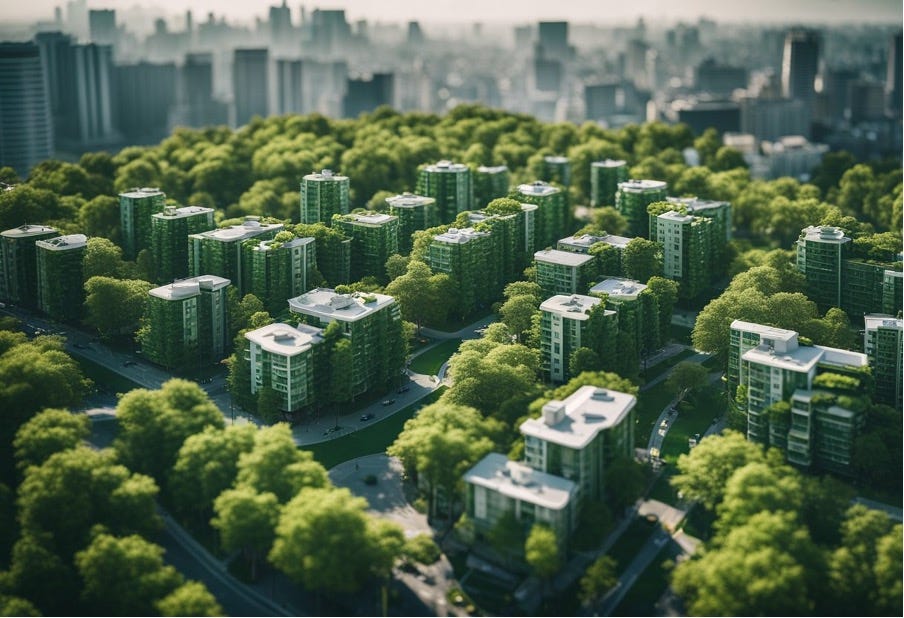
Urban green spaces have been recognized as an essential element of urban planning and policymaking. The provision of urban green spaces is a complex process that involves different stakeholders, including policymakers, urban planners, and community members. Policy and planning decisions related to urban green spaces can have a significant impact on the environment and public health.
Policymakers play a critical role in shaping the provision of urban green spaces. They are responsible for developing policies that promote the creation and maintenance of green spaces in urban areas. These policies should consider the needs and preferences of different communities, as well as the environmental and health benefits of urban green spaces. Policymakers should also ensure that the provision of green spaces is equitable and inclusive, addressing the needs of underserved and marginalized communities.
Equity and environmental justice are essential considerations in urban green space policy and planning. Urban green spaces provide a range of environmental and health benefits, including air quality improvement, temperature regulation, and stress reduction. However, these benefits are not equally distributed across different communities. Low-income communities and communities of minorities often have limited access to green spaces, which can exacerbate existing health disparities. Policymakers and planners should prioritize the provision of green spaces in underserved communities and address the underlying social and environmental factors that contribute to health inequities.
Health equity is another critical consideration in urban green space policy and planning. Urban green spaces can promote physical activity, mental health, and social connections, which are all essential components of health. However, the health benefits of green spaces are not automatic and require behavior change. Policymakers and planners should consider strategies to promote the use of green spaces, such as education campaigns, community events, and programming that encourages physical activity and social interaction.
Considering the above, it is crystal clear that policy and planning decisions related to urban green spaces can have a significant impact on the environment and public health. Policymakers and planners should prioritize equity and environmental justice, as well as consider strategies to promote behavior change and health equity.
This post was originally published on medium






