On the night of October 29, 2026, Binance, the world's largest cryptocurrency exchange, was hacked. Approximately $6.36 billion was stolen, with most of the funds withdrawn within just 20 minutes. For comparison, the previous record holder was Bybit, which suffered a hack in February 2025, resulting in the theft of $1.5 billion worth of cryptocurrency ( almost four times less than Binance ).
What's particularly interesting is that the attackers did not target individual users or a specific blockchain. Instead, they launched a large-scale attack on Binance's own internal security infrastructure. As mentioned earlier, most of the funds were withdrawn in just 20 minutes. The biggest losses were recorded on the Ethereum network, where $3.79 billion worth of assets was stolen, and Bitcoin, with losses amounting to $1.47 billion. According to preliminary information from the company's management, the hackers initially gained access through the work laptop of one of Binance's DevOps engineers. By compromising access through this computer, the attackers were able to infiltrate the exchange's internal systems.
According to blockchain analytics firm TRM Labs, the attack was most likely carried out by TraderTraitor, an elite hacking group backed and sponsored by North Korea. Other leading blockchain analytics experts share this assessment as well. And North Korea is certainly no stranger to cryptocurrency hacks - the country frequently uses such operations as a major source of funding for its military programs.
The market also reacted very sharply to the news. Some cryptocurrencies experienced declines of 10-15%. Bitcoin dropped below $76,000, while Ethereum and Solana lost several percentage points. The hardest hit was Binance's native token, BNB, which fell by more than 8%.
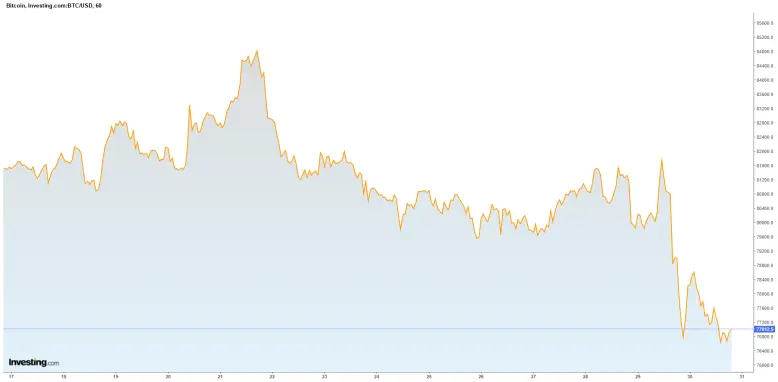
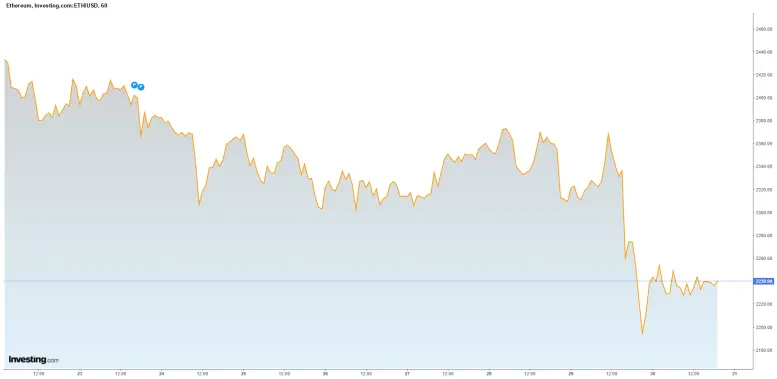
As a security precaution, Binance temporarily suspended all deposits and withdrawals, as well as the Binance Alpha platform. Full restoration of these services is expected once the security checks are completed.
But once again, I'd like to say that there is no need to panic in this situation. First of all, approximately half of the stolen funds consisted of stablecoins. Tether and Circle promptly froze nearly $3 billion held at suspicious addresses. Since stablecoins are centralized assets, these funds could potentially be seized and returned to the exchange. In addition, Binance co-CEO Richard Teng and founder Changpeng Zhao have already issued statements assuring users that their funds are safe. The exchange also has a dedicated emergency reserve fund called SAFU and has assured users that it will fully cover all losses using its own funds.
Thank you for taking the time to read!