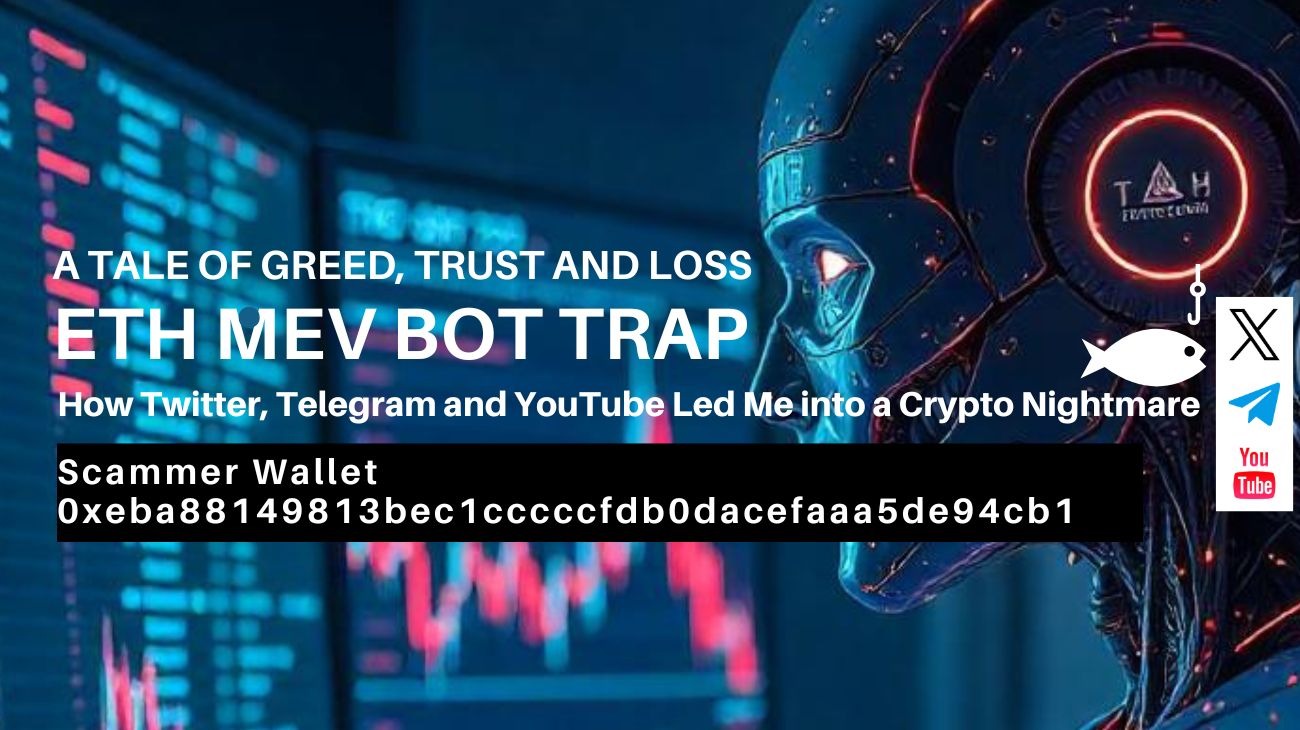
When the dust finally settled and I accepted that I had lost 2.32 ETH, I was overwhelmed by a wave of emotions - anger, regret, embarrassment and disappointment. I replayed every step in my mind, questioning how I let myself fall so deep into such an elaborate scam. The truth was painful: I had been manipulated, deceived and drained not only of money but also of trust in the platforms I once relied on.
Yet, amid the pain, I realized this experience was not entirely in vain. My loss taught me valuable lessons - lessons that I hope can prevent others from suffering the same fate.
The Emotional Toll
Losing 2.32 ETH was devastating, but the emotional damage went deeper:
- The Sense of Betrayal: I felt betrayed by the platforms I trusted - Twitter, Telegram and YouTube. These platforms, which I believed were safe, had been turned into tools of manipulation.
- The Guilt: I blamed myself for being naive, for ignoring the warning signs and for letting my hope blind me to the truth.
- The Frustration: The scammers vanished without consequence, leaving me feeling powerless and outsmarted.
It wasn’t just about the money I lost. It was about the trust I placed in people and systems that were never what they seemed.
What I Learned: Key Lessons
- Trust Is Earned, Not Assumed
Just because someone sounds professional or a platform seems credible doesn’t mean you should trust it. Scammers use blue checkmarks, polished tutorials and friendly support to build a false sense of security. Always verify before you trust. - Red Flags Are Warnings, Not Challenges
I ignored too many red flags:- The constant requests for more money.
- Vague explanations and excuses for delays.
- Promises of profits that seemed “too good to be true.”
Red flags are your mind’s way of telling you something is wrong. Pay attention to them.
- If It Sounds Too Good to Be True, It Probably Is
The idea of an MEV Bot that could generate effortless profits was alluring. But easy money doesn’t exist. Real opportunities require research, effort and a solid understanding of the risks. - Learn the Technology Before You Invest
One of my biggest mistakes was deploying a smart contract I didn’t understand. In crypto, knowledge is your greatest defense:- Understand how smart contracts work.
- Learn how to analyze blockchain transactions using tools like Etherscan.
- Verify the code before you interact with it.
- Small Losses Are Easier to Accept Than Big Ones
Scammers rely on the sunk cost fallacy - the belief that you must keep going because you’ve already invested so much. Recognize when to cut your losses. The earlier you walk away, the less you lose. - Question Urgency
The scammers constantly pressured me to act quickly:- “Upgrade now to avoid losing profits!”
- “Deposit before the opportunity closes!”
Urgency is a classic scam tactic. Take your time, verify the claims and never rush a financial decision.
Rebuilding My Confidence
After losing my funds, I spent days questioning everything - my judgment, my instincts and my ability to navigate the crypto space. But over time, I realized that blaming myself wouldn’t fix anything. The only way to move forward was to learn, rebuild and grow.
Here’s how I began to recover:
- I Educated Myself: I started learning more about blockchain, smart contracts and the mechanics of scams. Knowledge became my armor against future deception.
- I Shared My Story: Writing this experience wasn’t easy, but I knew it could help others recognize the tactics scammers use. If my story prevents just one person from being scammed, it will be worth it.
- I Reclaimed My Trust: I reminded myself that one bad experience doesn’t define the entire crypto world. Blockchain technology has immense potential - it’s the scammers who misuse it.
Why Scams Succeed
This experience also helped me understand why scams like this are so effective:
- They Exploit Hope: Scammers prey on people’s desire for quick profits and financial freedom.
- They Create Illusions of Credibility: From verified accounts on Twitter to professional YouTube tutorials, scammers build an ecosystem that looks real.
- They Use Psychological Tricks: Fear, urgency and the sunk cost fallacy are powerful tools to keep victims hooked.
- They Hide Behind Technology: Blockchain’s anonymity allows scammers to disappear without a trace, even though their actions are visible.
A Message to Others
To anyone reading this: Be careful. Scams are everywhere and they’re becoming more sophisticated every day. Whether you’re new to crypto or an experienced investor, never stop questioning, learning and verifying.
Here are some practical tips to protect yourself:
- Verify Everything: Research opportunities, smart contracts and wallet addresses. Use tools like Etherscan to trace transactions.
- Never Trust Blindly: Even “blue checkmarks” and professional videos can be faked. Always cross-check information.
- Take Your Time: Scammers rely on urgency to force quick decisions. Slow down and consult trusted sources.
- Educate Yourself: The more you know about blockchain and smart contracts, the harder it is for scammers to trick you.
Most importantly, if you suspect something is a scam, walk away. It’s better to miss out on a real opportunity than to lose your hard-earned money to a fake one.
Turning Loss Into Purpose
While the loss of 2.32 ETH was painful, I’m determined to turn this experience into something meaningful. By sharing my story, I hope to:
- Raise Awareness: Scams thrive in silence. By exposing their tactics, we can make the crypto community smarter and safer.
- Help Others: If this story helps even one person recognize a scam and avoid it, my loss won’t have been in vain.
- Rebuild Trust: The crypto space is full of opportunities, but it’s up to us to navigate it responsibly and vigilantly.
A New Beginning
This chapter of my life was a harsh but necessary lesson. It taught me to be cautious, skeptical and informed. I’m no longer the person who blindly trusts promises of quick profits. I’m someone who questions, verifies and learns.
The aftermath of this scam was not the end of my crypto journey - it was the beginning of a smarter, safer one.
The Final Chapter
In the final blog, I’ll issue a call to action - a plea to raise awareness, educate others and protect our community from falling into the same traps. Together, we can build a safer and more resilient crypto world.