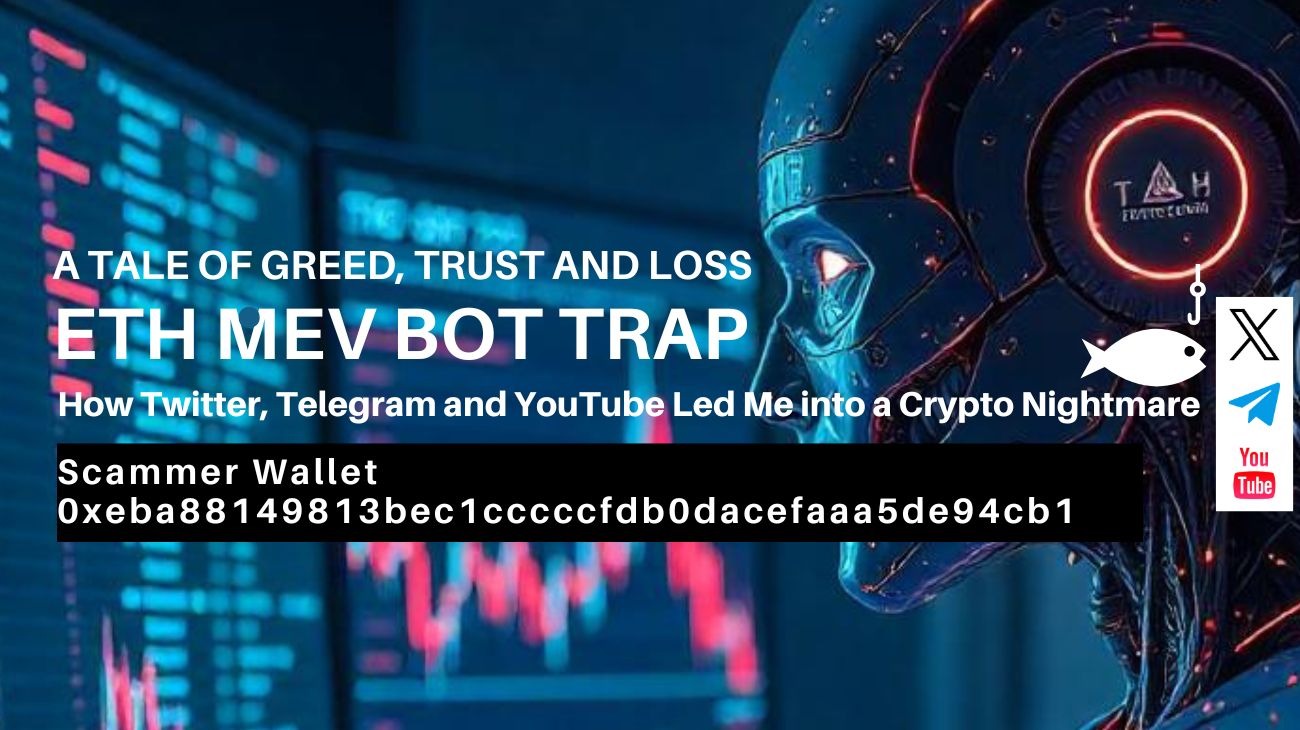
By November 2024, I had already invested 2.32 ETH into what I believed was the MEV Bot. My hope for profits was hanging by a thread, but the scammers were relentless. They weren’t satisfied yet. They delivered their final blow: a demand that shattered any remaining illusion of recovery.
The “Technical Error” Excuse
One evening, I received a new message from the Telegram support team. Their tone was, as always, polite and professional:
“We’ve detected an issue with your current smart contract. To merge your funds and enable withdrawals, you need to create a new contract and deposit 1 ETH to complete the process.”
I stared at the message in disbelief. After everything - after the fake bot activity, the PRO version and the endless delays - they were asking for more money. I felt an overwhelming mix of anger, frustration and confusion.
I pushed back, asking for clarification:
- “Why is a new contract necessary? I’ve already paid enough.”
- “Where are my earnings? Why can’t I withdraw now?”
Their responses were vague but persuasive:
- “The issue is with the blockchain’s synchronization. Creating a new contract will fix it.”
- “This is a standard requirement. You’re so close to unlocking your funds!”
- “Trust us - once you merge the contracts, withdrawals will be instant.”
The scammers’ messaging was tailored to break down my defenses. They made me feel like I was just one step away from recovering everything.
The Psychology of the Final Demand
By this stage, the scammers knew they were losing control. My doubts were growing and their carefully maintained illusion was starting to crack. This “final demand” was a desperate attempt to extract as much as they could before I walked away.
They exploited two powerful psychological traps:
- The Sunk Cost Fallacy: I had already invested 2.32 ETH. The thought of abandoning everything pushed me to consider sending more.
- “I’ve come this far. What’s another 1 ETH if it means recovering my funds?”
- False Hope: The scammers framed the new contract as a solution to all my problems. They knew that as long as I believed recovery was possible, I might keep complying.
The Breaking Point
For the first time, I didn’t comply immediately. Something inside me screamed that this was wrong. I paused, reread their messages and replayed the events leading up to this point.
The red flags were undeniable:
- Repeated Demands: Every time I met their conditions, a new “requirement” appeared.
- No Transparency: They never provided proof that the bot or my funds existed.
- Endless Excuses: From upgrades to dashboards to now a “technical issue,” the explanations were always convenient and unverifiable.
I finally asked myself the hard question: “What if this is all a scam?”
Deep down, I already knew the answer.
The Final Silence
When I refused to send the 1 ETH, the scammers’ demeanor shifted:
- Their messages became cold and dismissive.
- They stopped responding to my questions.
- Within days, the Telegram chat was wiped clean - every message, screenshot and conversation vanished as if it had never existed.
It was their final act of control, erasing any evidence of their deception.
In that moment, the truth hit me like a punch to the gut:
- There was no MEV Bot.
- There were no profits.
- Every ETH I had sent was gone - stolen by faceless scammers who had manipulated me every step of the way.
The Cost of Hope
This demand for a new contract was the cruelest twist in the entire scam. It underscored the scammers’ ability to exploit not just my money, but my emotions:
- They Gave Me False Hope: Every new demand felt like the “final step” to recovering my funds.
- They Manipulated My Trust: Their professional tone and technical jargon made their lies sound plausible.
- They Played on My Fear: The fear of losing everything pushed me to keep complying, even when the red flags were glaring.
At the heart of it all was hope - a hope they weaponized to keep me trapped in their scheme.
The Realization
When the Telegram group went silent and the chat was deleted, I had no choice but to accept the truth: I had been scammed out of 2.32 ETH.
The realization was devastating. It wasn’t just the money I had lost - it was the trust, time and emotional energy I had invested into this illusion. I felt betrayed, embarrassed and angry at myself for not seeing through the lies sooner.
How They Played the Game
The scammers’ strategy was methodical and precise:
- Build Trust: They started with small, manageable demands to make me feel safe.
- Create an Illusion of Success: Fake bot activity and small ETH deposits gave me false confidence.
- Move the Goalposts: Each time I complied, they introduced new requirements, keeping me hopeful but constantly off balance.
- Apply Pressure: They used urgency and technical jargon to make their demands sound reasonable.
- Disappear When Exposed: Once they knew I wouldn’t comply, they vanished - leaving me with nothing.
Lessons Learned
The final demand taught me the hardest lesson of all: trust must be earned, not given. Scammers thrive on hope, ignorance and blind trust. Here’s what I learned:
- Red Flags Matter: Repeated demands, vague explanations and shifting conditions are clear signs of a scam.
- Question Everything: If someone keeps asking for more money, demand proof. If they can’t provide it, walk away.
- Cut Your Losses: The longer you stay invested, the more you lose - financially and emotionally.
- Never Let Desperation Guide You: Scammers prey on hope and fear. Stay grounded and don’t let emotions cloud your judgment.
A Painful Ending
This chapter marked the end of my interaction with the scammers, but it was far from the end of my journey. I was left with nothing but painful lessons and a determination to ensure others didn’t fall into the same trap.
The final blow was not just about money - it was about the realization that I had been manipulated from the very start.
The Aftermath
What followed was a period of reflection, regret and rebuilding. In the next blog, I’ll share the lessons I learned from my loss and how I began to pick up the pieces of my trust, confidence and financial security.




![[The $0 Growth Hack]: How To Build a 1-Million-User Empire in 2 months](https://cdn.publish0x.com/prod/fs/cachedimages/3731945950-e221973c3b382a1996b83b7ff6d063e191f6be57889a4e0bf3926d37de0a6d35.jpg)