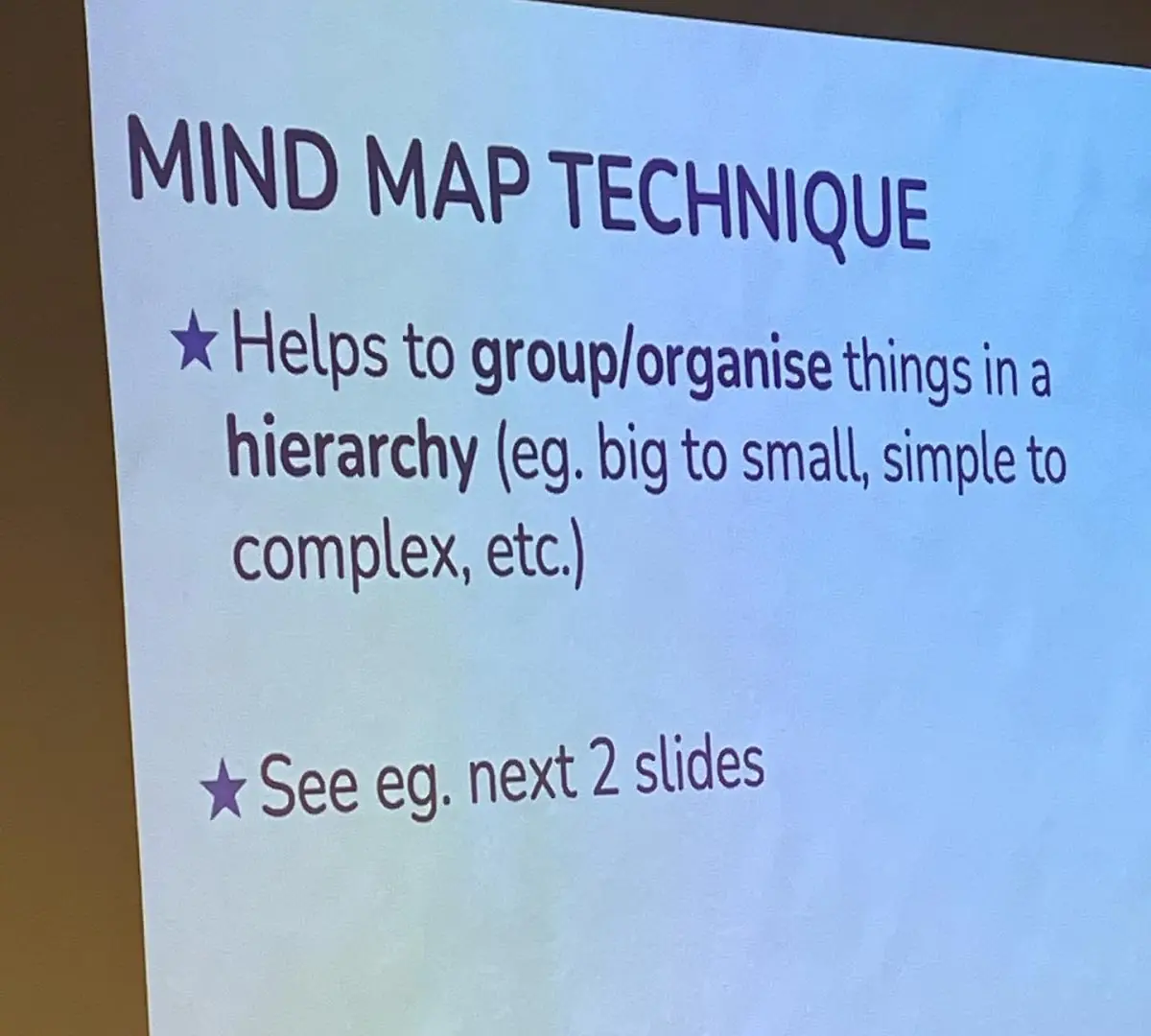
I recently attended a workshop on memory techniques and benefited tremendously from it.
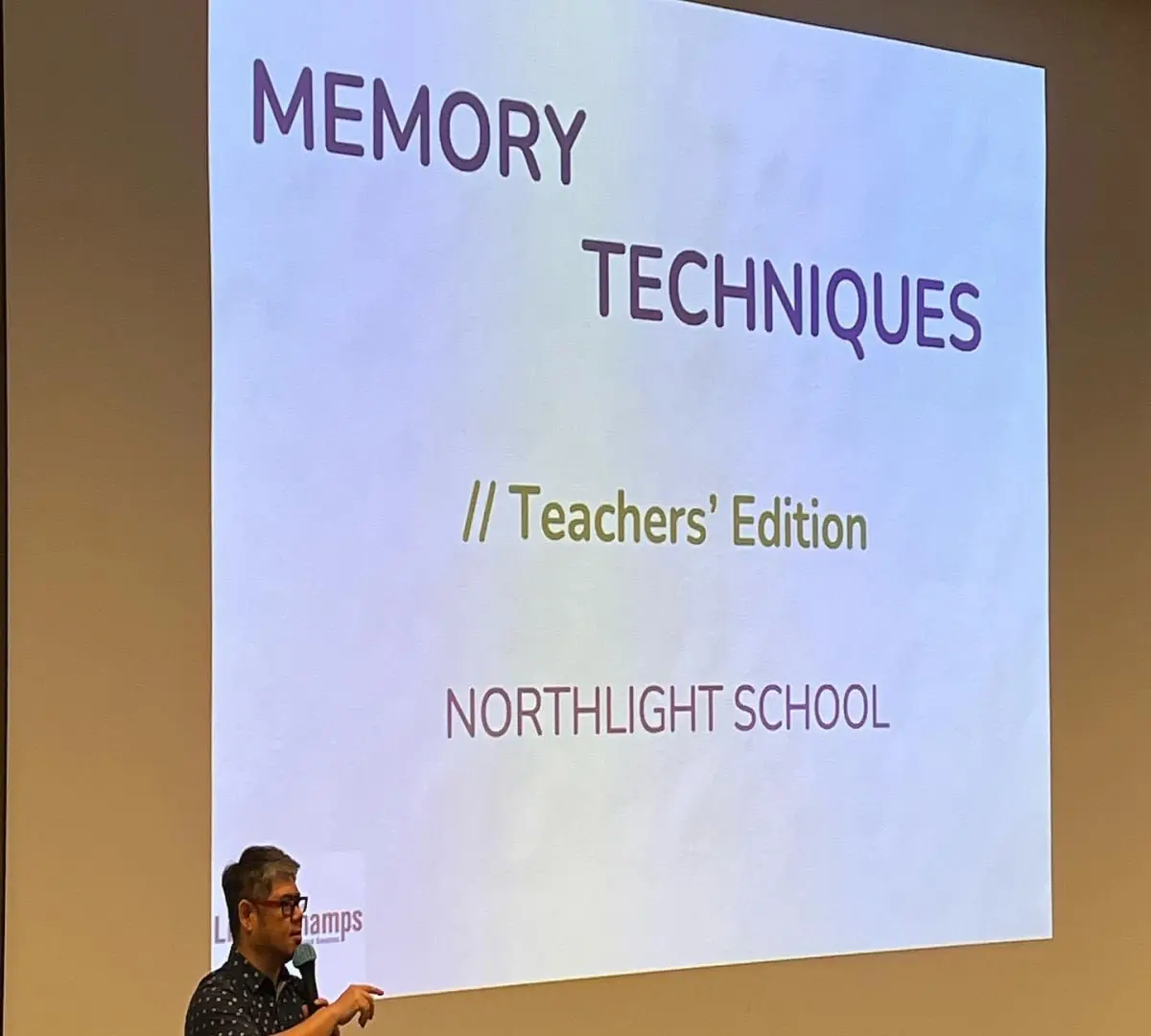
It all started when the trainer asked us who had a background in Chemistry. I dutifully raised my hand and lowered my head to get my satoshis from the Cointiply faucet (http://cointiply.com/r/VP28z). The colleague sitting beside me nudged me. Apparently, the trainer had something in store for me - and I wasn’t maintaining eye contact with him at that split second!
Having caught my attention, the trainer asked me, “What’s Avogadro’s constant?”
Caught like a deer in headlights, I was about to ask what the hell is Avogadro’s constant but my muscle memory kicked in and I replied automatically before my conscious mind even finished processing what was happening. It’s 6.02 X 10 to the power of 23. And I got it right.
The trainer then asked, “When was the last time you needed to use this information?” And I answered, rather in awe of my memory prowess, “More than 20 years ago.”
So I was used as an example to illustrate the importance of helping students encode things in their long term memory.
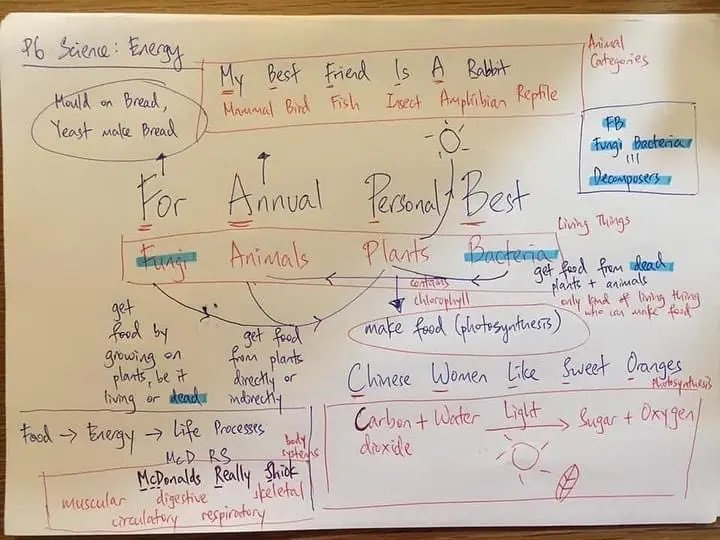
Since I already spoke out in front of the whole staff, I subsequently had no qualms interrupting him to ask a question that has been on my mind. You see, when I was teaching a sixth-grade class about photosynthesis, I used a funny mnemonic “Chinese Women Like Sweet Oranges” to help them remember the conditions of photosynthesis (carbon dioxide + water in the presence of light yields sugar + oxygen). I got the students to review this mnemonic consistently throughout the year, but to my utter dismay, half of the class wrote carbon dioxide as the gas produced during photosynthesis during their prelim exam. Gggrrrrrr. So what should I have done better?
The trainer reassured me and said that I did everything right but perhaps the students couldn’t get the answer right because of stress. They might be scared of not performing, hence they were in an unstable state (trust him to use a Chemistry analogy) and couldn’t apply the mnemonic effectively.
Okay honestly, I doubt my carefree students cared very much about whether they would pass or fail their exam. But he did offer me a new perspective. Even if my students didn’t care either way about their result, the cognitive load induced from having to remember and apply so many things from Primary 3 to Primary 6 has got to hurt their performance. In the end, I was glad that I asked him this question because it was something that had baffled me.
Moving forward, I want to inculcate in my form class the habit of remembering things via mindmaps. After all, mindmaps use and stimulate the visual abilities of the mind, thus aiding memory recall. They also encourage creativity by liberating the mind from linear thinking, allowing new ideas to flow more rapidly. Fun fact: mind maps were developed in the late 60s by Tony Buzan.