<The 5 Love Languages of Children>
I picked up this book because I introduced the 5 love languages to my form class. It must have been a lesson as memorable for them as it was for me, for they subsequently asked their other Form Teacher about his love language. So I am reading this book to broaden their understanding of this concept.
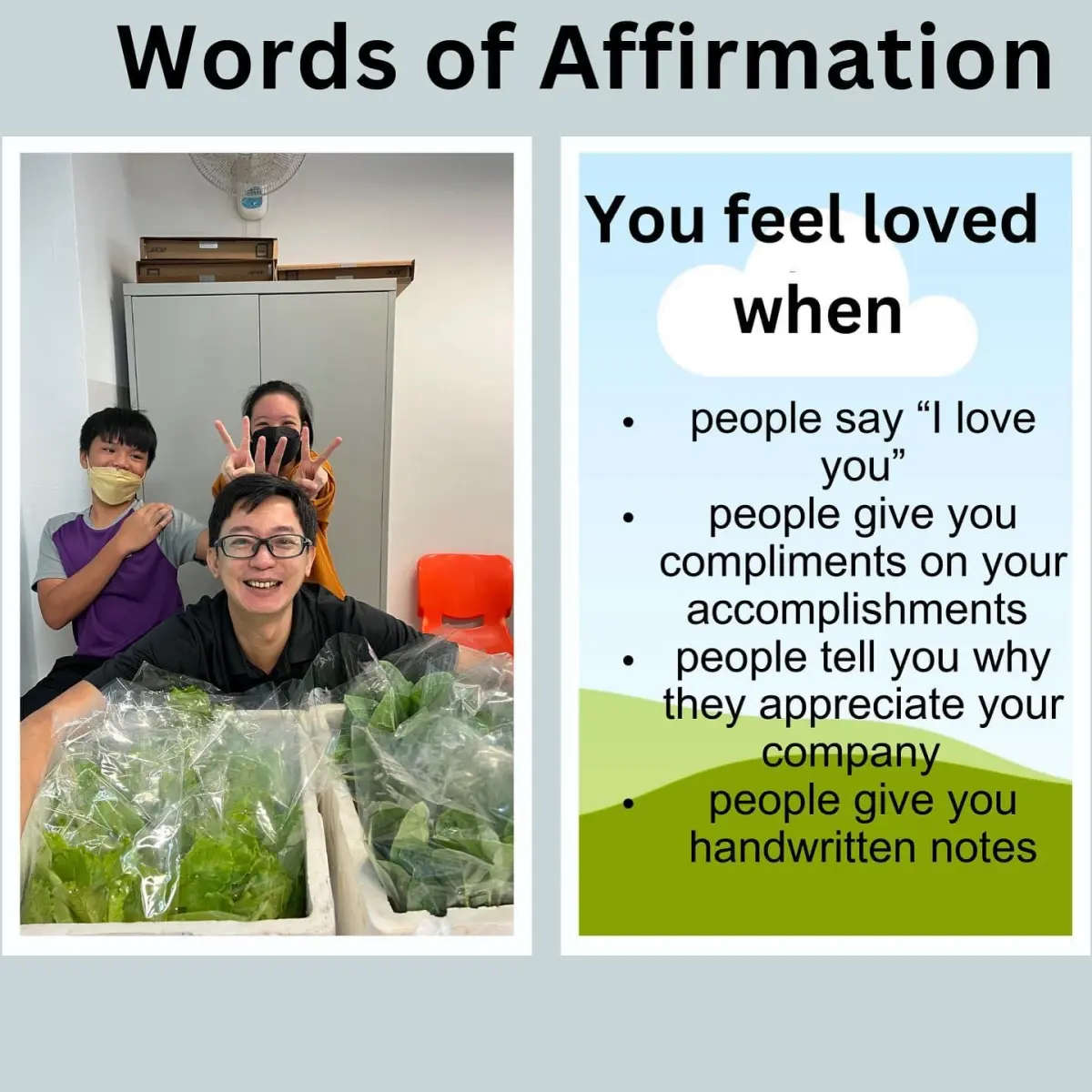
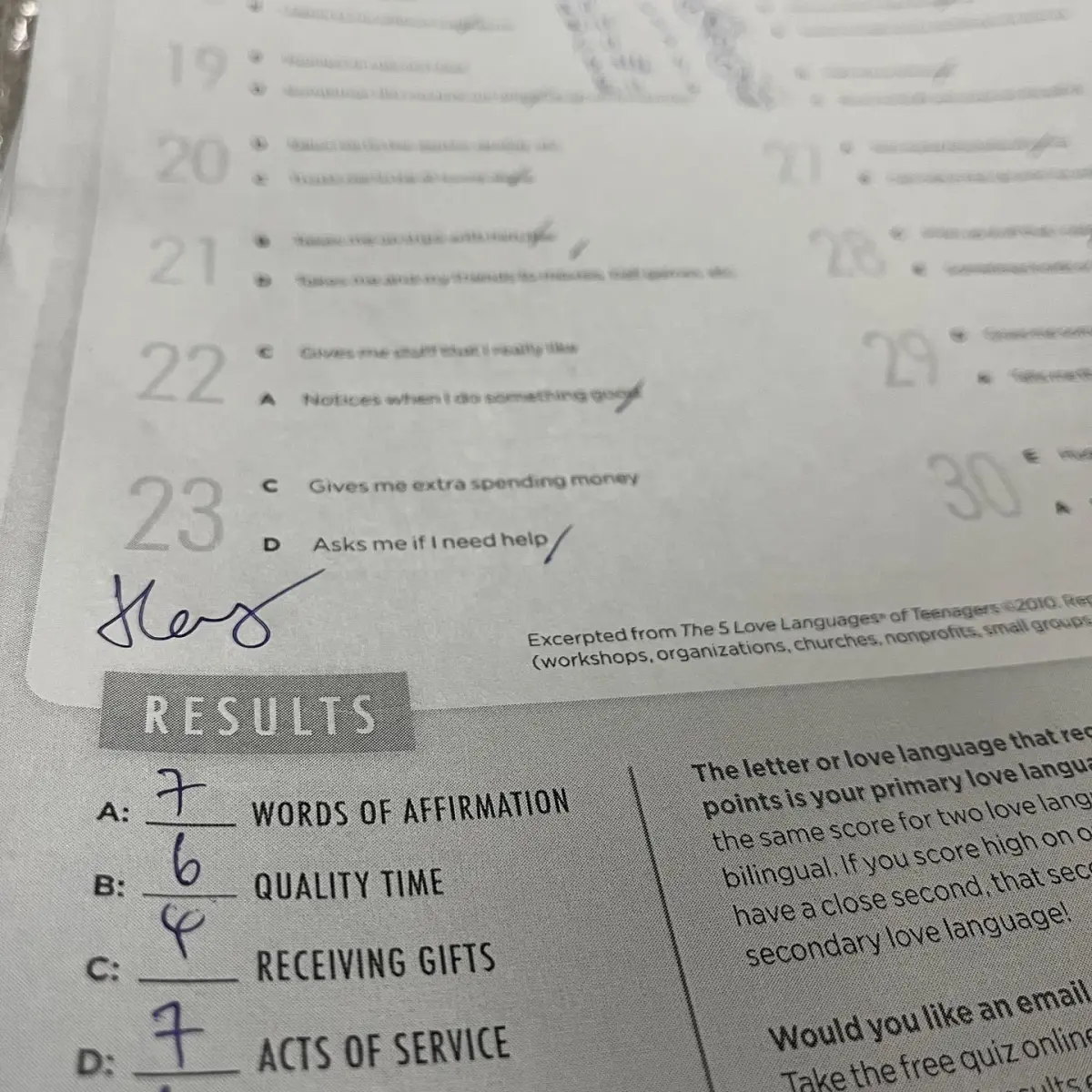
I started off with the chapter on Words of Affirmation since that’s my primary love language. I know this because I have always felt happier by handwritten notes than by gifts on Teacher’s Day. It provided much food for thought.
Firstly, the authors make a distinction between words of praise and words of appreciation. As well-trained teachers, we are adept at using specific praise to give students compliments on their exemplary behaviour and accomplishments, but it seems that just saying aloud “I love you” will enable some people to feel loved. I say “I love you” sometimes to certain students because I just think they need to hear it. But I never really think that they will be uplifted by these three words. I guess that me being Chinese is a hindrance to me fully embracing “I love you”. It’s like what the Japanese guy said to Toni Collette in “Japanese Story” - if you say these words out loud, it falsifies them.
Reading this chapter was a good opportunity for me to think about how I feel about these sacred words, which would help me develop my relationship with my children in the future. But I doubt I should be using them on my students on a regular basis, for fear of being misunderstood. I guess what I can do for students whose primary love language is words of affirmation is to leave them handwritten notes that state why I appreciate their presence in my classroom. I have only five more weeks with this class. Let’s see if I am able to shake off my inertia and fill up some youngsters’ hearts.