

The Bitcoin halving is an essential function of the Bitcoin protocol. As documented in the code, the block subsidy will be halved every 210,000 blocks. A block halving is a process of reducing the rate at which new cryptocurrency units are generated. It refers to the periodical halving events that decrease the block rewards provided to the miners within the ecosystem.
Halvings are at the core of the crypto economic models because they ensure the coins will be issued at a steady pace with a predictable decaying rate. This controlled rate of monetary inflation is a key difference between cryptos and traditional fiat currencies, which basically have an infinite supply and can be easily corrupted by powerful entities.
I am not sponsored by anyone or anything mentioned in this article.
This is not financial advice. I am not a financial advisor.
Please do your own research before making any decisions before investing.
This article is meant for educational purposes only.
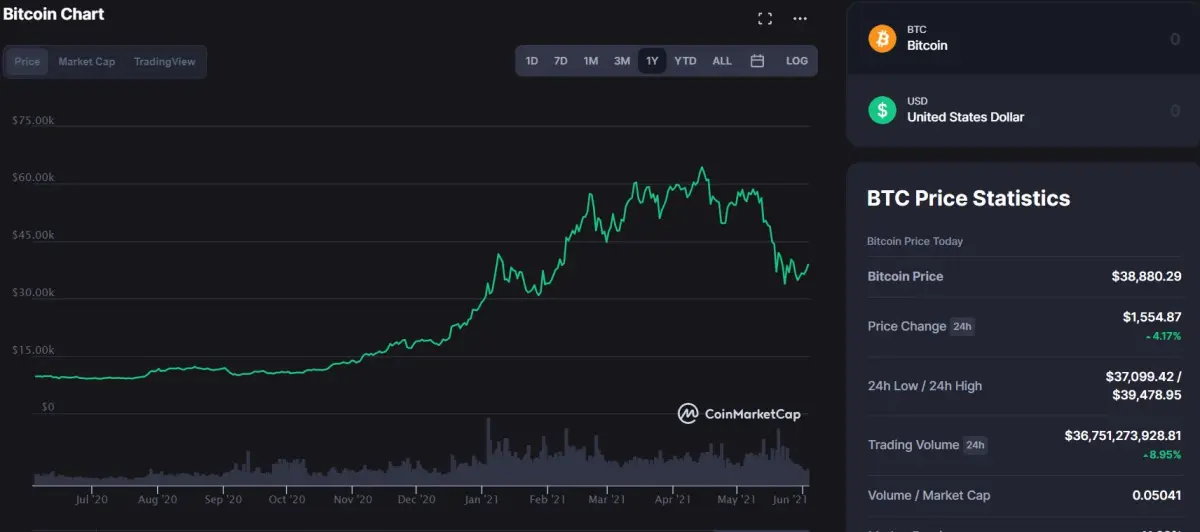
In May 2020, the number of Bitcoin entering circulation every 10 minutes (also known as block rewards) dropped by half from 12.5 to 6.25. This milestone has happened twice every four years prior to this last halving, so it's generally easy to see coming in the future by timing it out. This code was integrated into Bitcoin to suddenly shrink the supply while, in theory, maintaining the same demand for it. This is meant to drive up the crypto's price, but this is speculative.
The block reward is an important component of Bitcoin, as it ensures the security of the leaderless system. As rewards continue to dwindle in the future, it could potentially destabilize the economic incentives underlying Bitcoin's security though. This primarily ties back to the amount of electricity used to secure these Bitcoin rewards. In the future, more and more people will be going after these Bitcoin block rewards and receiving a smaller reward. More electrical power will be needed to mine the same amount of Bitcoin as previous years and more people will be going after their own piece of the pie. This is all speculation though and, hopefully, we find better alternatives to mining crypto in the future. This ongoing electricity issue is bound to come to a halt as better methods are used to keep the Bitcoin miners working efficiently.

With the total supply of Bitcoin being fixed at 21 million, once this is reached, the creation of new Bitcoin will cease. The halving ensures that the amount of Bitcoin that is mined with each block decreases, making it more scarce, and ultimately, more valuable over time. Historically, after a halving event, Bitcoin experiences a bull run each time. The decrease in supply spurs demand within the crypto market and the value surges. Only time will tell if this continues to happen as we get closer and closer to the final creation of the coin.
Do you think Bitcoin halvings are essential?
Let us know in the comments down below!
Thanks so much for reading!
Please feel free to follow my page for daily blog posts about crypto news, updates, and research!
Have a wonderful day!






