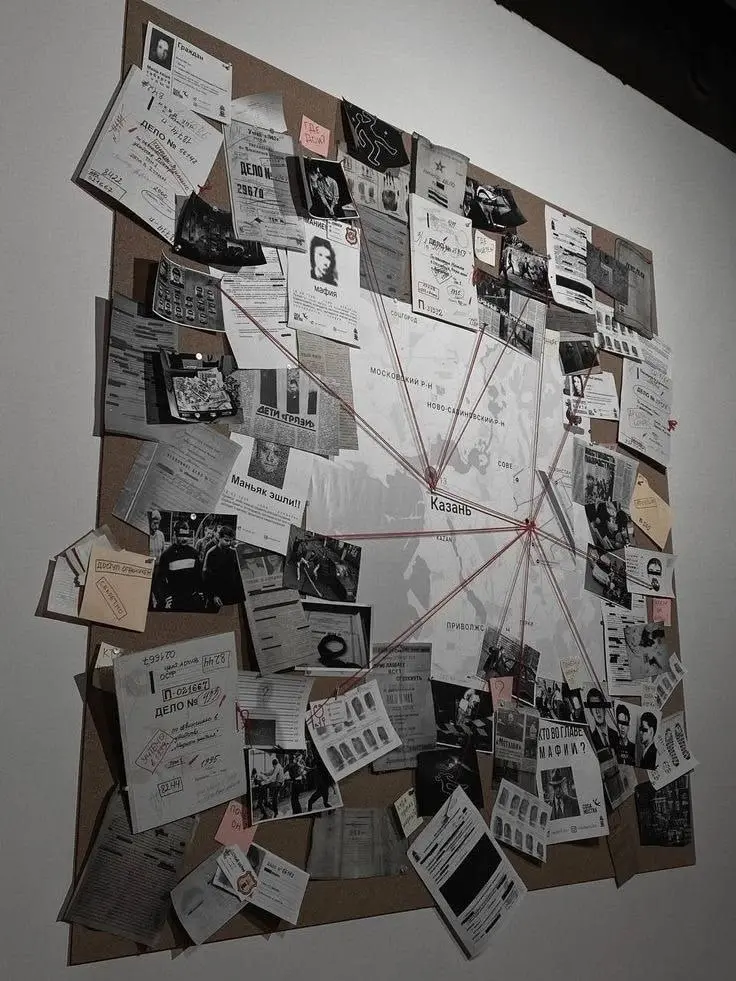
CASE FILE #106: THE "GOOD COP, BAD COP" EFFECT — SHATTERING THE WILL
Have you ever wondered why people sometimes confess to things that could ruin their entire lives, often to the very person they should fear most? That cold, windowless interrogation room you see in films isn't just for show. It is a precision-engineered laboratory designed to dismantle the human will. Investigators don't need to lay a finger on you; they just need to master the art of managing your emotions.
This is where the "Good Cop, Bad Cop" tactic comes into play.
Imagine you're trapped in that room. The first detective—the "Bad Cop"—storms in like a hurricane. He’s aggressive, cold, and utterly ruthless. He yells, slams his fists on the table, and lists every horrific punishment awaiting you. You're backed into a corner, your brain screaming in survival mode. Your mental defenses are stretched to the absolute limit.
Then, just as you feel you might shatter, he storms out. The silence that follows is thick. Then, the "Good Cop" enters. He’s the antithesis of the first: calm, soft-spoken, almost gentle. He hands you a glass of water, sighs, and apologizes for his partner’s behavior, whispering, "Look, I’m on your side. I want to help you, but if he comes back in here, I can’t stop him. Just tell me what happened, and I’ll be the one to save you."
In that precise second, your brain falls for a lethal illusion. Exhausted and desperate for safety, your mind instantly re-labels this "kind" detective as your sole ally. Your walls don't just crack—they crumble. You trust this pseudo-friend, and in your desire for relief, you pour out every secret, every detail, and the full confession.
This is far more than just a police procedural cliché. It is a highly sophisticated form of manipulation that weaponizes the sharp contrast between extreme fear and sudden relief. Unfortunately, this psychological trap isn't reserved for criminals; it is used daily in high-stakes business negotiations, intense boardroom politics, and even toxic personal relationships.
🧠 THE FORENSIC QUESTION:
It is a sobering thought: if you were in that high-pressure room, do you think your analytical mind would realize that the "Good Cop's" sudden kindness is just a highly trained psychological trap, or would your brain instinctively succumb to the desperate need for relief?
Do you believe the human mind is capable of maintaining objectivity when the survival instinct for "relief" is triggered, or are we all hardwired to eventually break?
I'm curious to hear your take—have you ever experienced a situation where someone played the "savior" to manipulate you? Share your thoughts below.
— THE MEDICAL ARCHIVE
IF YOU FOUND THIS ARTICLE INTERESTING, PLEASE SLIDE THE TIP BAR TO 90% AND HIT THE "TIP" BUTTON. YOUR SUPPORT IS CRUCIAL AND HELPS ME RESEARCH AND BRING YOU NEW "DARK ARCHIVE" CASES!