
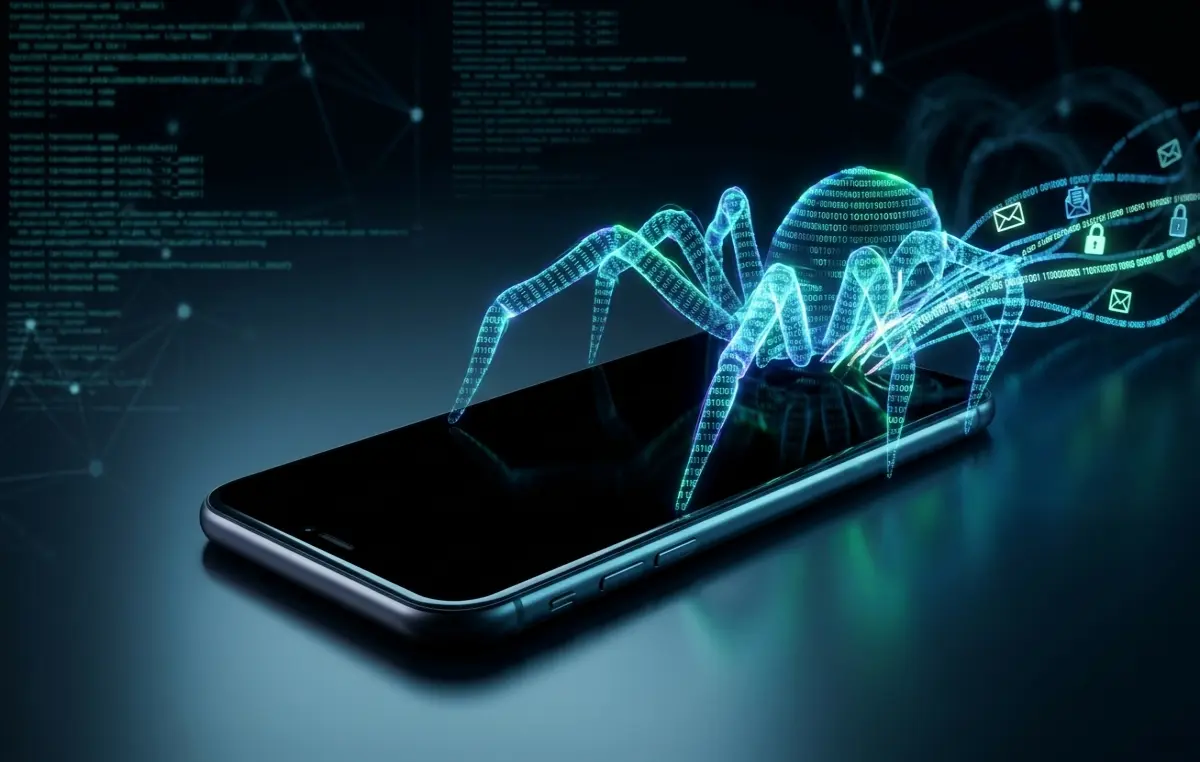
The Scariest Trend of 2026
Imagine this: Your phone is sitting on the table. You haven't clicked any links, haven't downloaded any files, and haven't even opened a message. Yet, your private keys are being copied, and your camera is being accessed. This isn't a movie plot—it’s called a Zero-Click Attack, and it is the ultimate weapon for high-level hackers today.
What Exactly is a Zero-Click Attack?
Most people think they are safe as long as they don't click suspicious links. But Zero-Click exploits are different. They take advantage of vulnerabilities in how your phone processes data before you even see it.
-
The Silent Message: A hacker sends a specially crafted hidden message (via Message, WhatsApp, or SMS).
-
Automated Processing: Your phone’s operating system tries to "preview" or process the data in the background to show you a notification.
-
The Breach: The malicious code triggers a memory overflow or a "Zero-Day" bug during that background process.
-
The Result: The hacker gains "Root Access" without you ever knowing a message even arrived.
Why "Cold Storage" is Still Relevant (But Not Enough)
In my previous post, we discussed why keeping keys offline is crucial. While a Zero-Click attack on your phone might not directly steal keys from a hardware wallet, it can steal your 2FA codes, session tokens, and screen-log your password entries when you eventually connect your wallet to your phone or PC.
Security is a multi-layered game. If your "Gateway" (your phone) is compromised, your "Vault" (your wallet) is at significantly higher risk.
3 Ways to Minimize the Risk
-
Enable Lockdown Mode: If you are an iPhone user and handle high-value crypto assets, use "Lockdown Mode." It disables complex web technologies that hackers often exploit.
-
Aggressive Updates: Never skip an OS update. Companies like Apple and Google often release "Emergency Security Responses" specifically to patch Zero-Click vulnerabilities.
-
App Minimization: Every app is a potential entry point. If you don't use it, delete it. Each app you keep increases your "Attack Surface."
Conclusion
As we move further into 2026, the gap between "clicking a link" and "getting hacked" is disappearing. My research at SkyAuctus shows that while these attacks are currently expensive and used against high-profile targets, they will eventually become more common. Stay vigilant, stay updated, and never assume "I didn't click anything" means "I am safe."
Have you ever felt like your phone was acting strange even when you weren't using it? Let's discuss in the comments!
Get in Touch for Security Research & Collaboration:
Email: [email protected]
Facebook: SkyAuctusofficial






