
Article first published on my personal blog at HIVE. (Spanish Original)
Hello friends, I hope you are having a nice day. Recently, I shared with you the celebration of one of my goals: reaching a one-year streak on Duolingo. That’s why today I want to share some tips and experiences after more than a year of using the app daily.
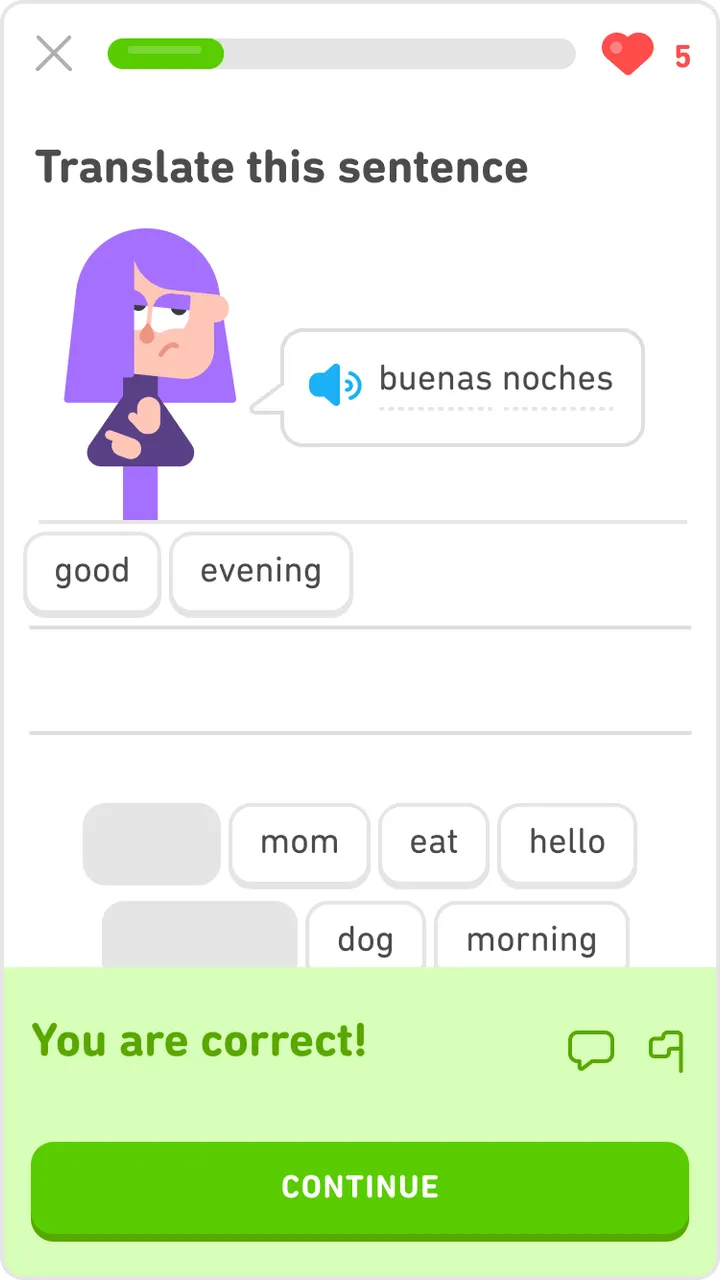
For those who don’t know it, Duolingo is an online language learning platform. The app is completely free, although it has a paid version, but it is not necessary to achieve our goals. It has a wide variety of well-designed courses that range from the most basic to difficult lessons. Many of the languages available for learning will surprise you.

Its focus on gamified and visual education makes it a perfect option for all types of audiences and different learning styles. You can practice your reading, listening, speaking, and comprehension skills through its interactive lessons, accompanied by unforgettable characters.
Many people find the app too simple or that it doesn’t cover all the knowledge they need, but this is quite normal to a certain extent because Duolingo is based on daily reinforcement. So, to keep you from getting discouraged, I have created this small guide with five tips that I have put into practice and have worked for me.
Surviving a Year on Duolingo
1. Set a Daily Goal
Duolingo has a streak counter, which means that the more consecutive days we use the app, the more rewards we will get, and the lessons will increase in complexity. When you decide that you are ready to achieve your goal of learning the language for a year, set how many minutes a day you will dedicate to the app and, if possible, at what time you will dedicate these minutes. In my case, I always dedicate 15 minutes at dawn; if it’s not possible because I have other commitments, the schedule changes to two hours before going to bed. I recommend a minimum of 10 minutes a day; it will be enough to complete a lesson and maintain a steady learning pace.

2. Use Additional Material
Complement your language learning with a lot of additional material, such as books, magazines, podcasts, etc. Duolingo itself will provide you with many of these, in simple and easy-to-follow language. Highly recommended is their own podcast, where, with the help of native speakers, you will learn about life stories and the culture of the places where the language is spoken.
3. Social Media
Duolingo is very active on social media, always sharing jokes, tips, and very bad puns. Following Duolingo is quite an experience; their mascot interacts with users and makes comments about the importance and consequences of maintaining your streak, which will not only make you smile but also encourage you to keep improving.
4. Friends
To a certain extent, Duolingo works like a social network. You can follow your acquaintances and monitor their learning, as well as compete with them for podium positions. Without a doubt, this degree of healthy competitiveness makes the experience more active and motivating. If you don’t have friends using the app, you can do so through the platform itself, finding very active and consistent users.

5. Take Notes
Taking notes throughout your language learning journey is extremely important. Keeping a learning journal where you can write down your progress and note phrases, words, grammar rules, and anything interesting you notice will help you remember what you’ve learned better, reinforce your weak points, and keep a record of your journey.
Final Words
I hope these tips help you and that you take advantage of this magnificent tool for language learning that is Duolingo. Remember that learning a new language depends on how continuous and persistent we are. Don’t get discouraged, enjoy the process, and celebrate every step.
I sincerely want to thank you for taking the time to read this article. Your support means a lot to me and motivates me to continue sharing content that can be useful and interesting for you. If you found this article useful or enjoyed reading it, I would greatly appreciate your comments. Best of luck.
Translated with DeepL.com (free version)
I apologize if there are any grammatical errors, English is not my native language, I have tried to be as careful as possible.
Resources in this article are sourced from the Duolingo Press Room or captured from my app.






