
DAI is a decentralized stablecoin created by MakerDAO, which operates on the Ethereum blockchain. DAI is designed to maintain a stable value relative to the US dollar. DAI is not working by magic, it has several configs around to be what it is. Let me explain a bit in a resumed way how works pointing all.
Collateralization: DAI is backed by collateral, normally the collateral is Ethereum (ETH) locked into smart contracts called Collateralized Debt Positions (CDPs). The value of the collateral is intended to be higher than the value of the issued DAI to avoid major risks.
Stability mechanism: To maintain stability, MakerDAO utilizes a stability mechanism called the Maker Protocol which consists of two key components: the Dai Stablecoin System (DSS) and the governance token called MKR.
Targeted price: The DSS aims to keep the value of one DAI as close to $1 as possible. It does this through a system of incentivized actions that adjust the supply of DAI in the market based on demand and is the unique token that has this system to work and stills working.
Smart contract and governance: The Maker Protocol operates through a series of smart contracts on the Ethereum blockchain. The MKR token holders participate in the governance of the protocol, making decisions regarding the parameters and risk management of the system.
Stability fee and collateralization ratio: When users create DAI by locking collateral into a CDP, they pay a stability fee, which is essentially an interest rate. This fee helps maintain the peg to the target price. Additionally, there is a minimum collateralization ratio that must be maintained to prevent liquidation of the collateral.
Liquidation: If the value of the collateral falls below a certain threshold, the CDP can be liquidated. This means that the collateral is sold to repay the outstanding DAI, ensuring that the system remains solvent.
Supply and demand balancing: If the value of DAI exceeds $1, the Maker Protocol takes actions to increase supply, such as reducing the stability fee or increasing the collateralization ratio. Conversely, if the value falls below $1, the protocol reduces supply through various mechanisms to restore balance.

By employing these mechanisms, the MakerDAO system attempts to maintain the stability of DAI as a decentralized, community-governed stablecoin. It allows users to access the benefits of a stable cryptocurrency while benefiting from the transparency and security of the blockchain.
However, at the same time, there are many detractors of DAI as it is a clear competitor to USDT and USDC. However, because it hosts much less liquidity (& market capitalization), it is not taken as a competitor. In a scenario where Tether or USDC have problems, DAI could gain prominence as it is a clear and established alternative. We can see on the image below that Tether and USDC have combined around 100.000 millions in value locked and DAI something around 4.500 milllions.
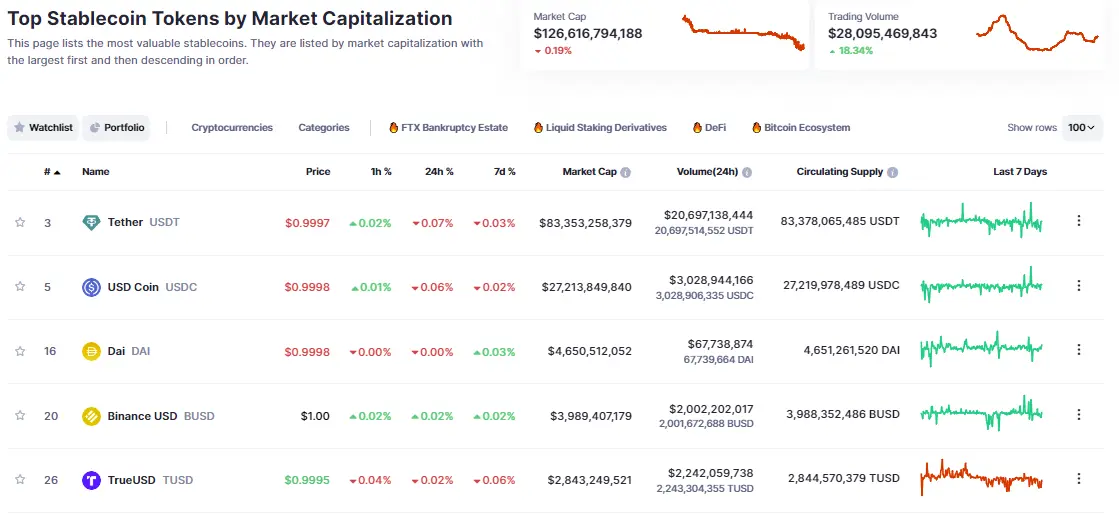
Source of this image is Coinmarketcap.com
As always when I post, I would like to thank you for reading my post. You can expect more in-depth crypto-related content soon, I hope I don't disappoint you fellows! Good hashes






