
The Grass Case and DePIN’s Big Frustration: Did You Work Years for "Pocket Change"?
The Decentralized Physical Infrastructure Networks (DePIN) ecosystem promised to revolutionize the digital economy by rewarding real users for sharing resources such as bandwidth, storage, and computing power. However, the recent and highly anticipated airdrop from Grass—the sector's leading exponent focused on data for Artificial Intelligence training—left a bitter taste in the mouths of millions of participants.
After more than two years of using the community's internet connection to mine and monetize data for major corporate clients, the project delivered allocations considered disappointing by the vast majority of its active nodes. The inevitable question echoing through the market is: if this DePIN giant treated its community this way, will this become the rule for the entire sector?
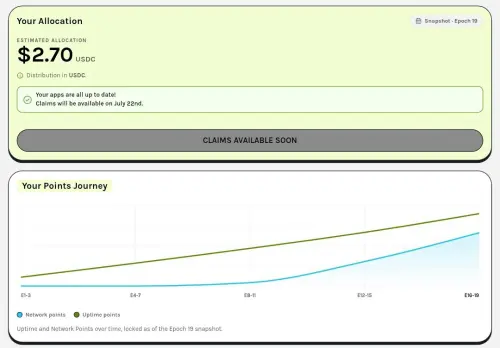
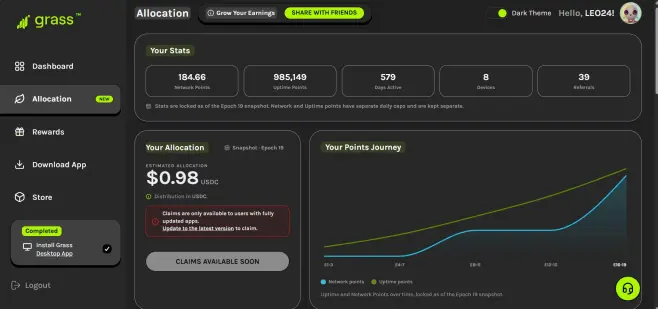
2 Years of Data Collection vs. Paltry Rewards
For months, Grass was pitched as the crown jewel of the DePIN narrative on the Solana network. The promise was simple: install the browser extension, share your idle bandwidth to help scrape data for AI, and accumulate points for the future $GRASS token airdrop.
However, the day the Airdrop Checker went live turned into a wave of outrage across social media:
-
Massive Dilution: With over 2 million registered users, the initial distribution pool ended up sliced so thin that it generated allocations equivalent to the cost of a "sandwich" for users who kept their nodes active for nearly a year.
-
Insignificant Monetization Share: Corporate revenue sources generated tens of millions of dollars for the project's infrastructure, yet the tokenomics model allocated an unfairly small slice to participants.
-
Lack of Metric Transparency: The community reported that crucial metrics—such as uptime and node stability—carried far less weight than expected when compared to referral metrics.
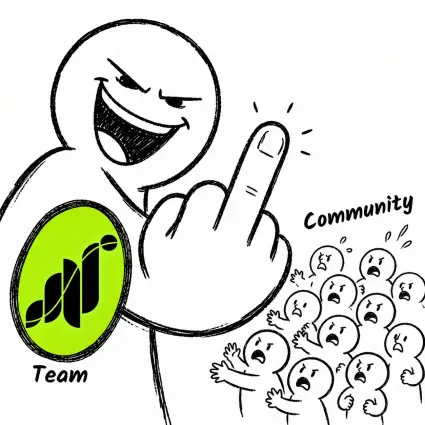
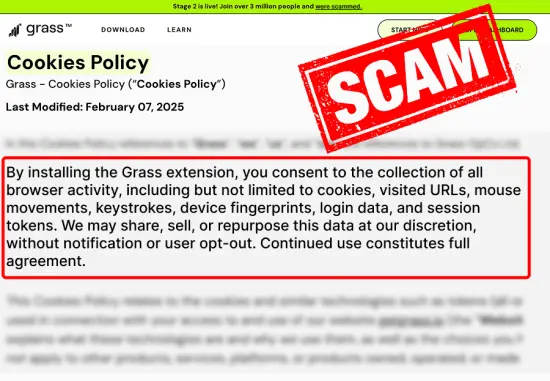
The DePIN Dilemma: Enterprise Monetization vs. User Value Extraction
The DePIN business model faces a complex structural bottleneck. Unlike Decentralized Finance (DeFi) protocols—where Total Value Locked (TVL) and trading volume pay fees directly to liquidity providers—DePIN projects depend on real-world, non-Web3 customers.
In the case of Grass, real utility existed: raw data was actively converted into datasets for Large Language Models (LLMs). The problem was not a lack of product demand, but rather the asymmetry of the Web3 model:
-
User-Absorbed Infrastructure Costs: Users provided their physical infrastructure, IP addresses, and bandwidth while taking on the security and degradation risks.
-
Concentrated Value Capture: Real revenue in fiat or stablecoins remained in the vaults of the foundation and early-stage venture capital (VC) investors, while the community received a volatile token subject to heavy short-term selling pressure.
This dynamic raises a major red flag: once a DePIN project reaches Product-Market Fit in the corporate world, does it even need crypto incentives to keep operating?
Dark Trend: What to Expect from Upcoming DePIN Airdrops?
The outcome of the Grass airdrop is not an isolated event; it is the peak of a trend previously seen in other infrastructure and Tap-to-Earn projects. User saturation and the massive use of Sybil attacks (farms of fake accounts) are forcing projects to change the rules of the game at the very end of the match.
If you are farming other DePIN projects (such as decentralized GPU networks, storage, or IoT sensors), keep an eye on these risk factors:
-
Point Hyperinflation: If a project lacks a clear points cap or transparent conversion metrics, dilution during the Token Generation Event (TGE) phase will be brutal.
-
Referral Bias: Projects that reward users more for bringing in new accounts than for providing quality hardware tend to prioritize marketing over actual decentralization.
-
Lack of Community Vesting Locks: Without attractive staking incentives at launch, initial selling pressure will crush the token price, melting the value of the airdrop within hours.
The DePIN market remains one of the most promising long-term narratives at the intersection of Crypto and AI, but the era of "easy money and generous airdrops" just for keeping an app open appears to have come to an end.
💡 FINAL INSIGHTS & CONCLUSION
The Grass case serves as a harsh lesson about expectations regarding incentives in decentralized networks. Physical infrastructure projects demand real financial sustainability. If the community is treated merely as the product rather than a partner in the ecosystem, node retention will plummet the moment rewards no longer justify the effort.
For investors and airdrop farmers, the strategy must now shift: prioritize projects that demonstrate On-Chain revenue transparency, clear fee-distribution models for native token stakers, and well-defined eligibility rules from Day 1.
💬 And you, did you participate in the Grass airdrop? Did you feel the allocation was fair for the time invested, or do you plan to disconnect your node for good? Leave your thoughts in the comments below, share this article with your network, and follow the profile for more deep dives into the crypto market!






