As 2025 draws to a close, Web3 has experienced a year of pivotal events that have profoundly shaped the industry’s direction.
Through continuous monitoring this year, Synbo has perceived an increasingly clear shift: Web3 is transitioning from a “Narrative-Driven” phase to a “Rule-Driven” new stage.
Today, from a macro perspective, we summarize the major Web3 events of the year. Are you ready? Let’s begin.
January: Setting the Regulatory Tone
The year began with the United States releasing an extremely clear signal regarding digital assets.
- Event: On January 23, the White House signed an executive order requiring the construction of a unified digital asset regulatory framework.
- Synbo’s Take: The key change in this phase was not the specific clauses, but the attitude itself — Web3 is no longer fringe innovation, but has been formally included in the discussion of national governance and institutional design. This was a core basis for Synbo’s early-year judgment that the “Institutional Era” had begun.
February: Correcting Boundaries
Key adjustments appeared in discussions surrounding tax reporting and DeFi.
- Event: On February 13, Congress passed a joint resolution repealing the previously overly broad “broker” reporting rules for digital assets, clarifying that pure on-chain protocols should not be equated to traditional financial intermediaries.
- Synbo’s Take: Regulation began to acknowledge the objective differences of decentralized technology. The system is no longer trying to force old financial logic onto the on-chain world but is seeking more reasonable regulatory levers.
March: The Migration of Entry Points
- Event: On March 10, multiple traditional European banks (including giants like BBVA) were approved to offer crypto-related services within their own apps.
- Synbo’s Take: Crypto assets are formally being treated as standard financial products. This means the user entry point for Web3 is undergoing a structural shift — from relying on niche communities and native platforms to banking channels and compliant distribution systems.
April: The Policy Pivot
- Event: In April, market sentiment flipped overnight. On April 9, President Trump announced a 90-day tariff pause for most countries, causing the S&P 500 to surge 9.5%. On the same day, the SEC greenlit spot ETH ETF options trading, followed by the confirmation of new SEC Chair Paul Atkins.
- Synbo’s Take: For Web3, this represented a warming of risk appetite and improved compliance expectations. Capital and narratives found it easier to “go with the flow.” It was as if the macro environment hit the “Reset Button.”
May: The Industry Stage

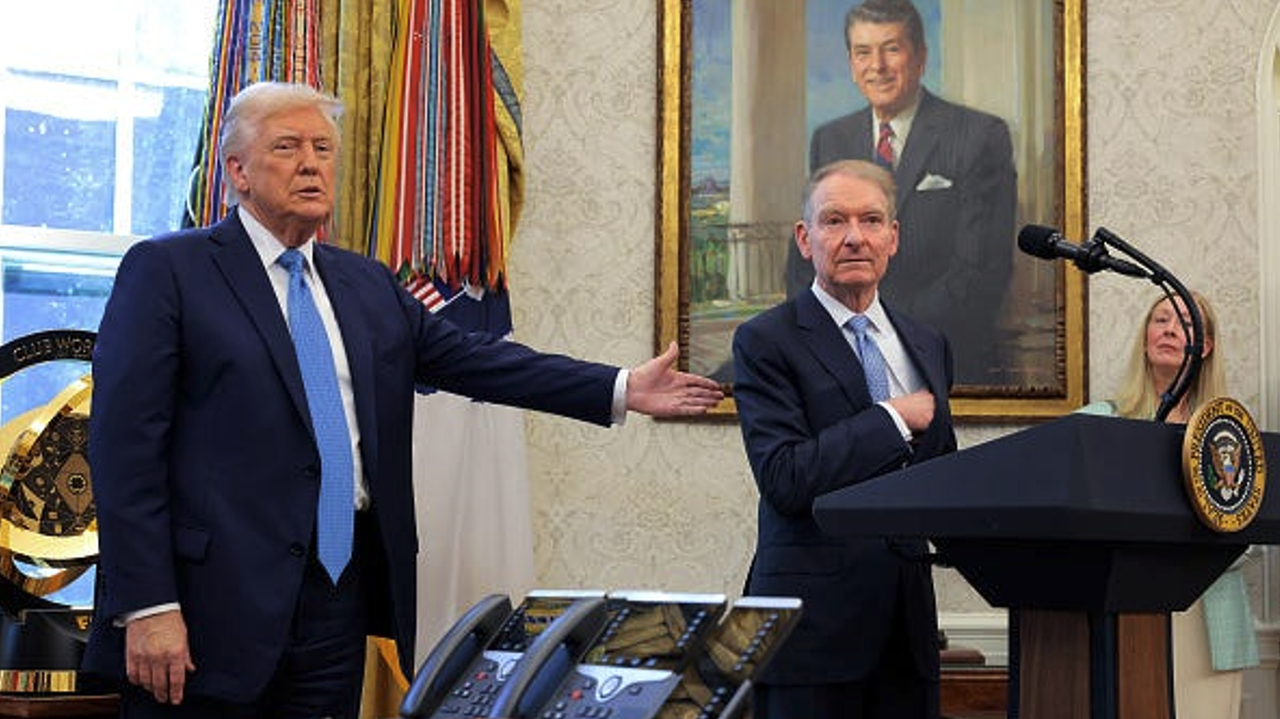
- Event: In mid-May, the Bitcoin 2025 conference was held in Las Vegas.
- Synbo’s Take: Regulators and politicians began to appear frequently at the center of the industry stage. Topics shifted from technical evolution to compliance paths and payment systems. Industry conferences evolved from project launchpads into platforms for regulatory communication and institutional negotiation.
June: Legislative Acceleration
- Event: On June 17, the U.S. Senate passed the “Genius Act,” formally integrating stablecoins into the federal regulatory framework.
- Synbo’s Take: This marked the upgrade of the “On-Chain Dollar” from an industry tool to a candidate for institutionalized financial infrastructure. The interface between Web3 and traditional finance began to be fixed by law.
July: The Federal Anchor
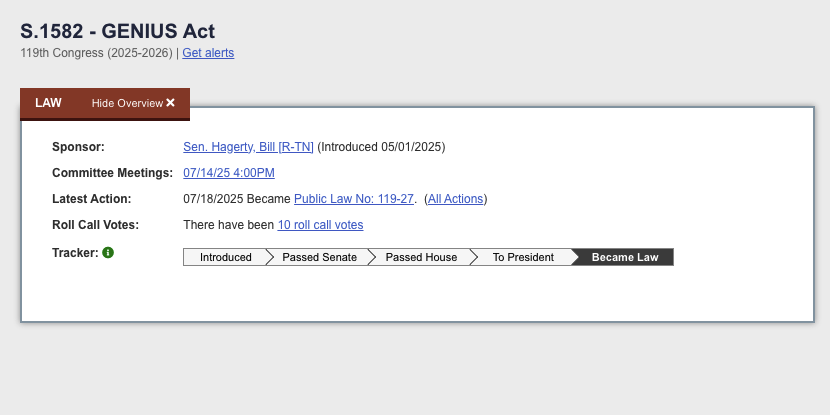
- Event: On July 18, the President officially signed the Genius Act into law.
- Synbo’s Take: With the institutional anchor established, compliance paths possessed high certainty for the first time. The industry focus shifted from “Will we be regulated?” to “Under what rules will we develop?”
August: Asia’s Regulatory Tone
- Event: On August 1, Hong Kong’s stablecoin issuer regulatory regime officially came into effect, entering the licensing and ongoing supervision phase.
- Synbo’s Take: An Asian financial center took the lead in entering the institutionalized operation phase of stablecoins. Compliance capability began to transform from a concept into a real competitive advantage — the “First-Mover Compliance Dividend.”
September: Sovereign Boundaries
- Event: On September 3, the ECB publicly discussed the impact of foreign stablecoins on monetary sovereignty. On September 17, the FOMC announced a 25bps rate cut — the first of 2025.
- Synbo’s Take: On-chain finance is no longer just a technical innovation issue; it has begun to touch the governance boundaries of the state.
October: The Asian Hub
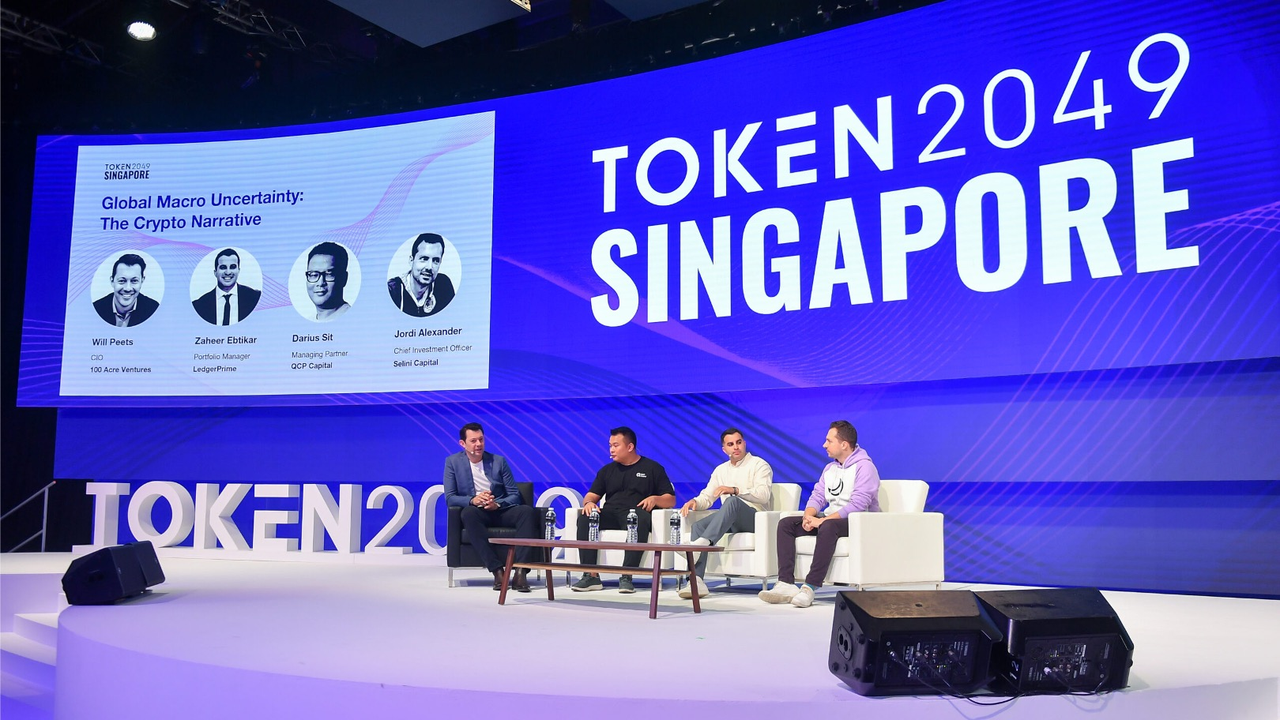
- Event: TOKEN2049 was held in Singapore in early October.
- Synbo’s Take: Singapore became a convergence point for global Web3 narratives, capital, and institutional experience. The globalization path shifted from single-point expansion to a multi-hub layout, with APAC’s status rising significantly.
November: The Shift in Regulatory Tone
- Event: In mid-November, the SEC Chair publicly proposed “Project Crypto,” a systematic regulatory approach emphasizing innovation within rules. Meanwhile, the EU pushed MiCA into the execution detail phase.
- Synbo’s Take: Regulation shifted from “Risk Prevention” to a governance mode of “Predictability and Executability.” Web3 entered a phase of plannable development.
December: The Institutional Finale
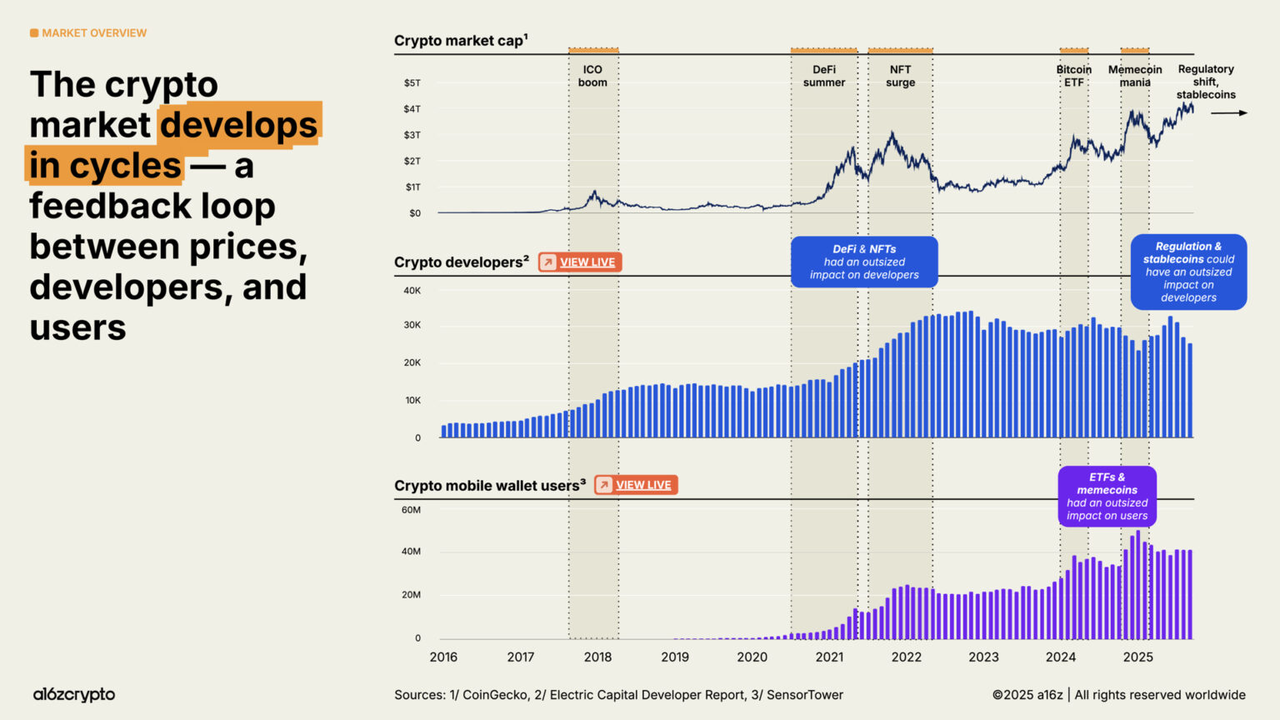
- Event: Annual research reports (like those from a16z) were released, explicitly describing the industry as an infrastructure candidate that is “measurable, governable, and integrateable into the financial system.”
- Synbo’s Take: By this moment, the main thread of 2025 was crystal clear: This was not a Year of Hype, but a Year of Rules.
Conclusion
In Synbo’s view, what truly changed Web3 in 2025 was not a specific technological breakthrough or a market event, but the formation of a complete set of institutional logic:
- Stablecoins confirmed by legislation.
- Regulatory boundaries gradually clarified.
- Banks becoming new entry points.
- Industry conferences becoming forums for institutional negotiation.
Web3 is moving from a “Fringe Experiment” to a “Financial Infrastructure Candidate.”
The future watershed is no longer about who is more radical, but who can build the most stable, long-term system within the rules.
This is the most important answer 2025 has left for the industry.