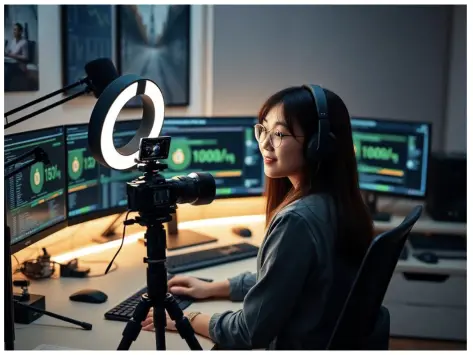
Day 1: I knew nothing about DEX arbitrage. Day 100: I was executing complex multi-hop strategies across five chains. This is the raw, unfiltered journey of how I went from complete confusion to confidently navigating decentralized exchange opportunities. Along the way, I tested dozens of tools including ArbitrageScanner, DEXTools, and various dexscanner platforms. Here's everything I learned, including the mistakes that almost made me quit.
Week 1-2: The Humbling Beginning
My first attempts at DEX arbitrage were disasters. I thought I could just spot price differences between Uniswap and SushiSwap and manually execute trades. Reality check: by the time I calculated gas fees and slippage, every opportunity had vanished. I was essentially trying to catch raindrops with chopsticks.
The decentralized nature that makes DEXs revolutionary also makes them chaotic. Prices update every block. Liquidity shifts constantly. Gas fees spike without warning. I spent two weeks just understanding why my manual approach would never work.

Week 3-6: The Tool Discovery Phase
This is when everything changed. I discovered that successful DEX arbitrage requires specialized tools. A good dexscanner doesn't just show prices—it calculates profitable paths through multiple liquidity pools, factors in gas costs, and estimates execution probability.
I tested everything: free tools, paid platforms, custom scripts. Most were either too slow, too expensive, or too complicated. The sweet spot? Tools that balanced sophistication with usability. You need enough data to make informed decisions but not so much that you're paralyzed by analysis.
Week 7-10: Finding My Strategy
Here's what nobody tells you about DEX arbitrage: there's no universal strategy. What works on Ethereum mainnet fails on Polygon. What succeeds during high volatility flops in calm markets. I had to develop my own approach through pure trial and error.
My breakthrough came when I stopped chasing every opportunity and focused on specific patterns:
- Cross-DEX arbitrage on the same chain
- Stablecoin imbalances during market stress
- New pool inefficiencies in the first 24 hours

Week 11-14: The Automation Revelation
Manual execution was holding me back. Even with the best dexscanner showing perfect opportunities, human reaction time is a liability in DEX arbitrage. This is when I started using automated execution tools and smart contracts.
The learning curve was steep. I had to understand MEV, flashloans, and sandwich attacks. But once automated, everything changed. Opportunities I'd been missing for weeks suddenly became accessible. The same setups that failed manually started working consistently.
The Final Stretch: Refinement
The last two weeks were about optimization. Fine-tuning gas strategies. Adjusting position sizes. Building alerts for specific conditions. DEX arbitrage became less about finding opportunities (they're everywhere) and more about executing efficiently.
I also learned what to ignore. Not every price difference is real arbitrage. Some are honeypots. Others are calculation errors. The best traders aren't the ones who see the most opportunities—they're the ones who know which to avoid.

The Truth After 100 Days
Here's my honest assessment: DEX arbitrage is neither easy money nor impossible to master. It's a skill that requires technical knowledge, the right tools, and most importantly, patience to develop your own edge.
The ecosystem changes daily. New DEXs launch, protocols update, strategies evolve. What worked on day 50 might fail on day 100. Success requires constant adaptation and learning. But for those willing to put in the work, the opportunities are real and growing.
Would I recommend this journey? Absolutely. But go in with realistic expectations. You're not competing against luck or market movements—you're competing against algorithms and other arbitrageurs. The playing field is level, but the game is complex.
My advice? Start small, document everything, and expect to fail frequently before succeeding consistently. The education is worth more than early profits.






