
Hello everyone,
I hope you all are having a great day, welcome to CryptoGod-1's blog on all things Crypto. In this post I will be looking a subject which is very important within the crypto world - Wrapped Coins. They are everywhere and many people do not even realise the potential and benefit they bring to the blockchains, so hopefully I will be able to shed some light on them here.
What Are Wrapped Coins
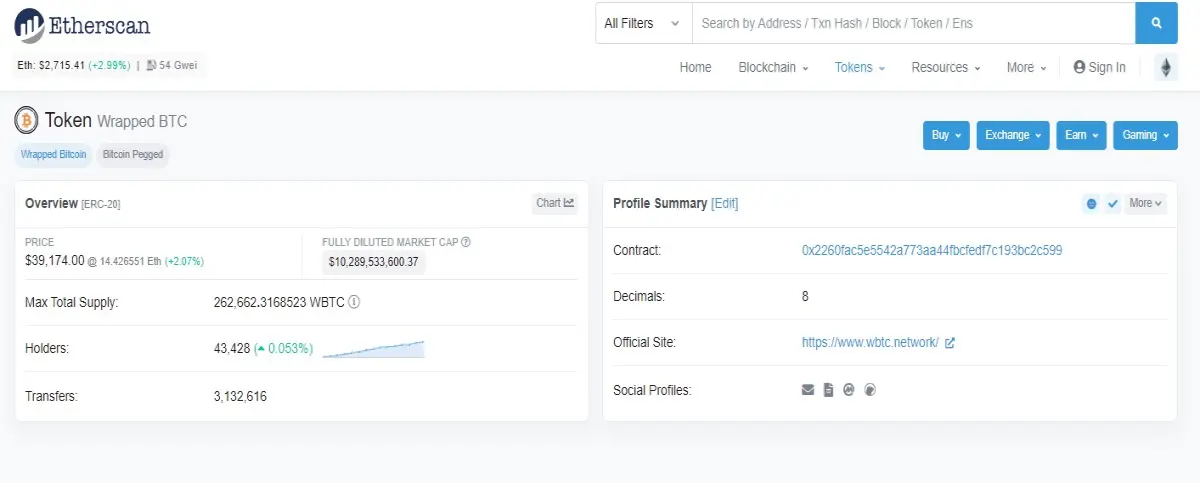
Wrapped coins are basically a mode of converting a coin so it can be used on another network, such as wrapping Bitcoin to use it on Ethereum. This is probably the most common known wrapped coin, and is known as WBTC instead of the traditional BTC. To put it simply, WBTC is a ERC-20 token that is backed by Bitcoin on a 1:1 basis. It helps to bring the liquidity of Bitcoin to the Ethereum network and allows people to make use of the value of Bitcoin combined with the programmability of Ethereum. All coins can be wrapped for use on other networks, and another prime example is Wrapped Ethereum (wETH) which is used on Opensea for the Polygon Network. Generally a wrapped cryptocurrency is an ERC-20 token that has the same value as the asset it represents. This value is pegged either through a 1-1 backing or via a smart contract which negotiates a stable value.
Why Do We Need Them
The wrapped coins are made for a number of reasons, with the most common being to use them in decentralized applications (DApps). This allows the users to use Bitcoin and other coins in the Ethereum ecosystem. The sheer value of Bitcoin makes it a very common coin to wrap, giving the users the chance to benefit from its value in the variety of Dapps, games, and decentralized exchanges. DApps can also process wrapped token transactions much faster because they do not need any computation to happen from another blockchain, which is generally a difficult process. Like any ERC-20 token, the only thing required to transact this process on Ethereum is a gas fee.
Main Uses of Wrapped Coins
As mentioned above the primary reason to wrap a coin like Bitcoin is to apply its value in Dapps on the Ethereum network. Below is a selection of the types of Dapps and smart contract services which can benefit from WBTC.
Liquidity
The sheer value of Bitcoin makes it a powerful asset that enables greater market liquidity. The Ethereum ecosystem has multiple applications on it, and with funds spread out between the Dapps, the lack of liquidity can sometimes become problematic. A lack of liquidity can stop a DEX or similar platform running at optimum performance, so WBTC increases the liquidity by bring in more money and putting a higher valued based asset on these exchanges.
Staking
One of the best things about DeFi is the ability to stake, and WBTC is no different. Proof-of-stake (POS) protocols let users lock up their coins in smart contract for a set period of time in exchange for a portion of the network’s block rewards, meaning if a users wraps their BTC for WBTC, they can earn rewards for staking it.
Yield Farming
Another excellent feature of DeFi is yield farming. Similar to staking, it generally has shorter lock up periods. Providing crypto to these protocols is similar to giving a loan and earning interest, and the value of coins like WBTC allows users to put up large sums for earning passive income with their WBTC getting lent out for other users.
Margin Trading
Not something I would recommend, but some traders like to make use of margin for executing trades. This is basically borrowing money for leveraged returns, which can lead to greater profit, or greater loss. WBTC allows trades to benefit from margin trading with BTC in DeFi protocols or decentralized exchanges. Similarly, users can earn fees via lending their WBTC to a DEX who can in turn lend it out on margin.
Additional Functionality
As WBTC is an ERC-20 token, it offers so much more functionality and options than standard Bitcoin does. This means that WBTC can be used with smart contracts, something which has always been lacking from Bitcoin as it is purely a store of value. These programmatic agreements execute when certain conditions are met, and underlines the momentum of blockchain technology.
Is it Safe?
Like anything with cryptocurrencies, there is a certain level of risk but no more than any other ERC-20 token if the user understands the process of what they are doing. WBTC itself has only been around since January 2019 but it is the same as any other coin and token and therefore is very safe. The biggest risk is when a users trades or transfers the coin over the network, either to the wrong address for wrapping, or on the wrong network when sending it elsewhere.
How To Wrap A Coin
There are many options available for wrapping coins, with merchants such as 0x, AAVE, Maker, or Uniswap, offering users the option to wrap and unwrap their Bitcoin. This is available whenever they like, which makes it easier for investors to switch between traditional Bitcoin and the decentralized system of Dapps on Ethereum. Users can also send their coins directly to a smart contract address designed for wrapping coins, although this is only recommended for more savvy and advanced users.
To wrap on platforms, the user simply deposits their coins such as Bitcoin. They then proceed to select the "wrap" button along with the amount of coins they wish to have wrapped. Once confirmed, the process will take place along with the gas fee. An alternative option is to purchase wrapped coins on an exchange. The fees generally vary but can be as low as 0.025% for Bitcoin, although the gas fees for Ethereum will also need to be added to that for transacting with a DeFi protocol.
Watch Out!
When coins are wrapped by sending them to a smart contract address, as noted above, users need to be aware of a key fact - unwrapping them is not the same address. I have had the misfortune of reading articles and social media posts where people have sent their Wrapped Coins back to the same contract address in the hopes of unwrapping them. Like most things in Blockchain Technology, it just doesn't work that way I'm afraid.
Conclusion
Wrapping coins can be a somewhat confusing and unknown entity of the crypto world for some users, especially inexperienced ones. There are many benefits to wrapping coins, including bringing in valuable coins to a different eco system or even purchasing NFTs on a marketplace such as Opensea with wETH. Once a user is familiar and understand's the difference between a standard and wrapped coin, they can avail of the ecosystems on most blockchains with their wrapped coins. Users just need to be careful when wrapping and unwrapping their coins that they have the available gas fee and the correct smart contract address. Once they navigate these obstacles, they have the endless opportunities of blockchain available to them regardless of their coins native network.
*All images used are referenced below*
Thanks very much for reading and I hope you enjoyed the article.
Have a great day.
Peace. CryptoGod-1.
Referral links:
Publish0x - https://www.publish0x.com/?a=olejZqrzej
Splinterlands - https://splinterlands.com?ref=rnabc1
Upland - r.upland.me/NQAH
Ecency - https://ecency.com/signup?referral=rnabc
Binance - https://accounts.binance.com/en/register?ref=143611368
Hi - https://hi.com/RNabc
NFT Market Sales
Opensea - https://opensea.io/RNabc123
Follow Me :)
Twitter - @RNabc123





