
The past few weeks have seen a sharp escalation in the Middle East: rising tensions around Iran, a spike in oil prices, talk of closing the Strait of Hormuz, and the potential for an escalation in the conflict with the United States.
Against this backdrop, an unconventional move has emerged.
Iran is no longer talking about bases, fleets, or tanks.
Instead, they’ve announced a list of 18 companies: Nvidia, Apple, Microsoft, Google, Tesla, Meta, Boeing, JPMorgan Chase…
With a date—April 1.
This is no longer a military threat.
It is an attempt to pressure capital.
Together, these companies represent over $15 trillion in market capitalization.
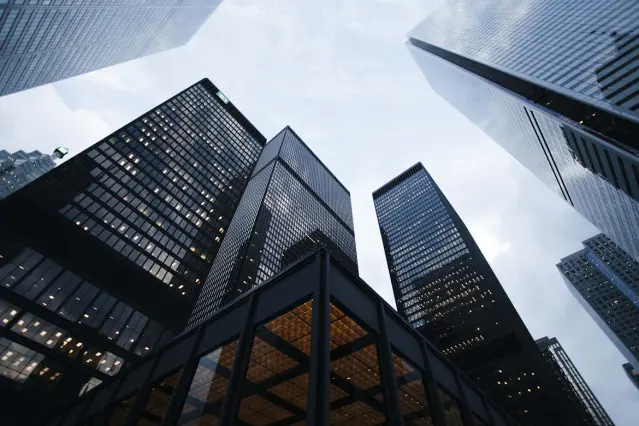
These aren’t just companies—they are the infrastructure of the modern economy.
Here lies the key insight that the market is currently underestimating:
In the past, war meant missiles and tanks.
Now, war means investor confidence.
A single successful cyberattack on Nvidia’s supply chain
→ the AI industry grinds to a halt
A single disruption in Boeing’s systems
→ logistics and aviation descend into chaos
A single infrastructure attack on banks like JPMorgan Chase
→ liquidity panic
And this isn’t theoretical.
— 2020: Attacks on dozens of U.S. companies and government agencies
— 2022: Cyberattack on Albania—effectively shutting down the state apparatus
Now, they’re not just capable of doing it.
They’re naming the targets in advance.
What does this mean?
For the first time, the market is facing a new variable: geopolitical cyber risk as a factor in asset valuation.
If previously investors feared interest rates, inflation, and recession, now a risk has emerged that cannot be hedged using traditional methods.
There’s no option for “zero day.”
No insurance against an exploit.
Capital is no longer protected by borders.
It is vulnerable where it least expected it—in code.
And perhaps, for the first time in a long while, the market will begin to re-evaluate not profitability… but resilience.
What do you think—will the market ignore this as usual, or will it start pricing in such a scenario?






