
Bond yields have turned upside down again – short-term rates are higher than long-term rates. This is historically one of the most accurate predictors of a recession.
What is a recession and why is it happening?
A recession is a decline in economic activity when a country's GDP falls for two consecutive quarters.
At that time:
• Companies are starting to cut costs and lay off employees.
• Loans are getting expensive as the Fed raises rates.
• Consumers are spending less as confidence in the economy declines.
Usually, a recession does not occur immediately, but develops gradually.
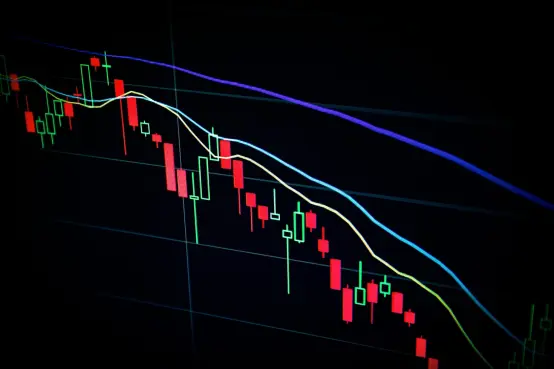
Why is there an inversion of the yield curve?
In a normal situation, long-term (10-year) bonds yield higher yields than short-term (3-month) ones.
Investors demand a risk premium, because a long time means more uncertainty.
But when the yield curve turns over:
• The Fed raises interest rates, making short-term bonds more profitable.
• Investors are afraid of a recession and start buying long-term bonds, reducing their yields.
Thus, the inversion of the curve is a signal that the economy is slowing down, and the market is waiting for a rate cut in the future.
How long does a recession take after an inversion?
Inversion does not immediately lead to a crash. Historically, a recession occurred after 7-18 months.:
• 2000 – inversion in January, dotcom crash in March 2001 (14 months).
• 2006 – inversion in August, financial crisis in December 2007 (16 months).
• 2019 – inversion in August, COVID crisis in March 2020 (7 months).
What does it mean now?
The market may continue to grow for 9-10 months before the collapse.
Bitcoin, stocks and risk assets may show a final surge before the economic slowdown.
But later, a reversal is possible.
Inversion is not a “crash the market now” button, but a timer until problems appear.
Keep an eye on liquidity and macro data, and remember: the market falls not when things are bad, but when they stop getting better.






