
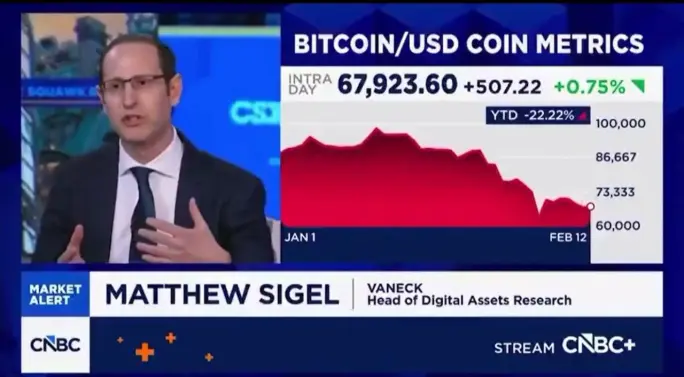
VanEck publicly stated on CNBC: 13 nations are engaged in mining at the central government level.
Not through ETFs.
Not through regulation.
Through hashrate.
This is no longer about "allowing or banning" the asset.
This is about strategic accumulation through infrastructure.
What does this actually mean?
State-level mining represents direct control over a portion of new coin issuance, providing unfiltered access to freshly minted BTC. It allows nations to monetize surplus or stranded energy resources and transforms Bitcoin into a geopolitical tool. This signifies a fundamentally different tier of engagement with the asset class.
Who are the most likely candidates among these 13 countries?
The logical profile includes nations possessing cheap energy, a clear geopolitical motive for financial diversification, limited or contested access to the traditional dollar-based financial system, and a sovereign strategy focused on building national reserves.
Based on these criteria, the list with a high probability includes:
-
Russia, likely leveraging its vast natural gas resources.
-
Iran, utilizing its energy sector to bypass sanctions.
-
The United Arab Emirates, driven by sovereign wealth fund strategy.
-
El Salvador, following its public Bitcoin adoption.
-
Bhutan, which has been quietly mining using its hydropower for years.
-
Kazakhstan, a major mining hub due to its energy surplus, despite recent regulatory shifts.
-
Venezuela, as a tool for economic circumvention.
-
Ethiopia, recently partnering with mining operators to utilize its new hydroelectric dams.
-
China, operating unofficially through provincial or state-affiliated energy enterprises despite the national ban.
-
Oman, with significant investments in mining infrastructure.
-
Qatar, mirroring the strategy of its Gulf neighbors.
-
Argentina, seeking alternatives amid high inflation and currency instability.
-
Saudi Arabia, integrating mining into its broader economic diversification plans (Vision 2030).
Some of these nations are operating through state-owned energy companies, others through sovereign wealth funds, and some through semi-governmental entities that provide a layer of plausible deniability while executing national strategy.
The key takeaway here is not the exact names, but the shift in perception.
This is not the hype cycle of 2021 driven by retail speculation. This is cold, calculated strategy. If governments have begun viewing Bitcoin not as a speculative asset but as an infrastructure-grade component of their national power, it signals a fundamental phase change for the entire ecosystem.
Who might be next on this list?
Analysts should keep a close watch on nations with abundant hydroelectric capacity, such as Laos or Nepal. African states with significant, often-flared natural gas reserves, like Nigeria or Angola, are prime candidates. Countries in South America facing economic volatility and seeking de-dollarization pathways, beyond those already mentioned, are also likely candidates. Similarly, large, resource-rich nations like Brazil, Nigeria, Indonesia, and Turkey—all facing currency pressures or possessing energy wealth—could be motivated to join this quiet accumulation.
If this trend is confirmed and accelerates, the consequence will not simply be a rise in Bitcoin's price. The world could witness a strategic race for hashrate, a competition to secure the computing power that underpins the network. That would be a contest of an entirely different magnitude, transforming Bitcoin from a financial asset into a critical component of national infrastructure.
Disclaimer: This is not investment advice. It reflects observations on the evolving structure of the global financial and energy systems.






