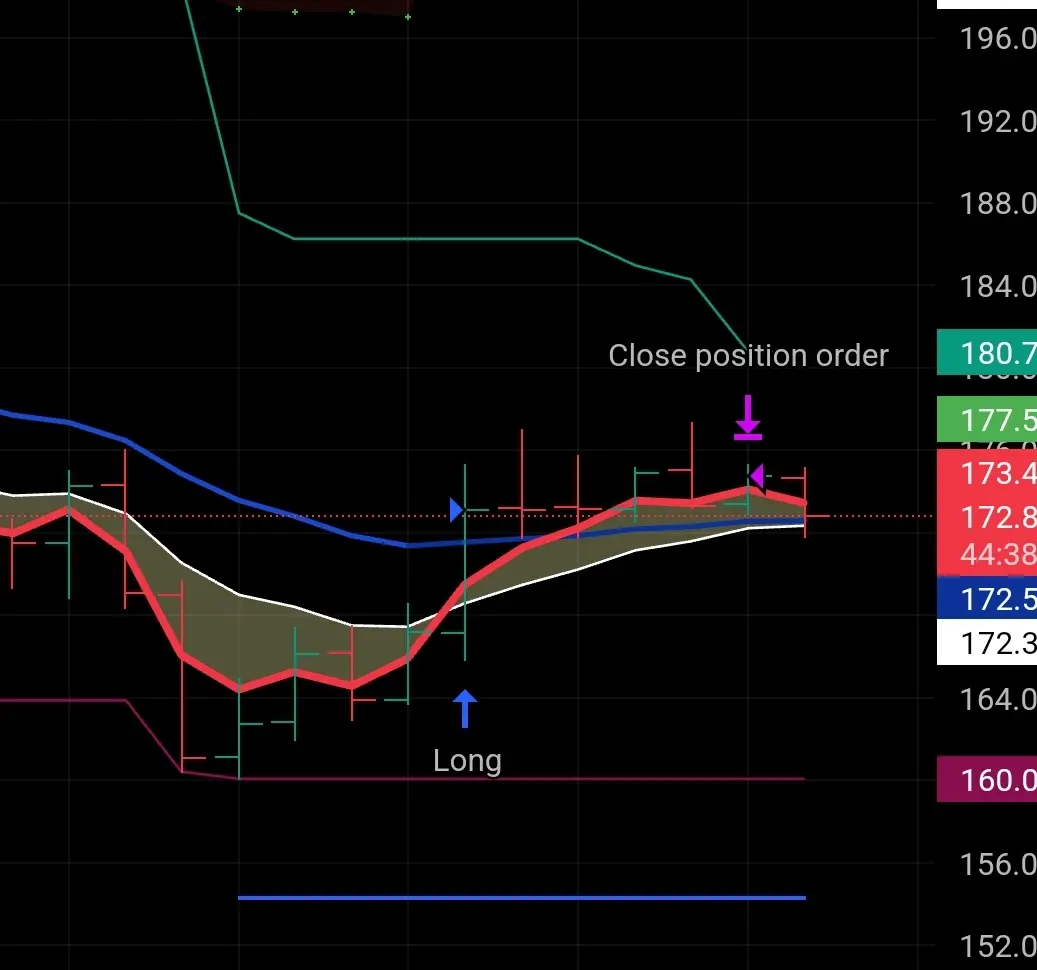
First up, Kadena (KDA) operates on its own blockchain platform designed for scalability and security. Social sentiment analysis indicates a positive outlook, driven by a surge in discussions around Kadena's recent partnerships with DeFi projects and its increasing adoption in enterprise blockchain solutions. However, some concerns about competition with other scalable blockchains like Solana and Avalanche persist. The macroeconomic impact on Kadena is tied to broader trends in blockchain adoption by enterprises. With increasing geopolitical tensions and inflation, businesses are exploring decentralized solutions to build more resilient systems, which could benefit Kadena's enterprise-focused model. On the microeconomic side, Kadena’s unique chain architecture and low transaction fees have attracted developers, and the ecosystem is expanding with new dApps. Recent upgrades to its smart contract capabilities and integrations with cross-chain bridges are worth noting. In TradFi, Kadena remains underutilized, but its potential to facilitate institutional blockchain adoption is significant. In DeFi, Kadena’s role is growing as TVL increases in its ecosystem, supported by strong liquidity on decentralized exchanges utilizing its network. For the broader market, Kadena's advancements in scalability could inspire competition among similar projects, and its success could drive innovations in how blockchains handle enterprise solutions. Investors are advised to "Monitor" Kadena, as the project shows promise with its unique technology, but competition and adoption rates remain critical factors.
Next, Render Token (RNDR) functions on the Ethereum blockchain and powers a decentralized rendering network for 3D graphics and visual effects. Social sentiment around RNDR is largely positive, bolstered by growing demand for decentralized GPU power in gaming, NFTs, and metaverse projects. Increased chatter on social media highlights Render’s potential in the fast-growing AI and metaverse sectors. Macroeconomic factors such as the rising need for high-performance computing and the growing adoption of AI technologies are favorable for RNDR, though economic slowdowns could hinder creative industries reliant on rendering services. Microeconomically, Render’s recent partnerships with major gaming studios and its integration with AI rendering tools are driving growth. The tokenomics remain strong, with a capped supply and increasing demand from creators and developers. In TradFi, institutional adoption of GPU-based projects has been minimal, but Render’s alignment with emerging tech trends like AI and the metaverse suggests long-term potential. In DeFi, RNDR has limited integration but could grow as part of gaming and metaverse-focused ecosystems. Market-wide, Render’s success could influence similar utility tokens and drive development in decentralized computing networks. Investors are advised to "Buy" RNDR for exposure to high-growth sectors, but they should remain cautious of potential market downturns impacting demand.
Flux (FLUX) is a decentralized cloud infrastructure project running on the Flux blockchain. Social sentiment analysis reveals mixed but leaning-positive sentiment, with excitement surrounding its decentralized application hosting capabilities and recent integration with popular data storage solutions. A few concerns about competition from centralized cloud providers and other blockchain projects like Filecoin have surfaced. Macroeconomic conditions such as rising cloud computing costs and increased interest in decentralized infrastructure support Flux's value proposition. However, broader economic slowdowns could impact adoption by small and medium businesses. Microeconomic factors include Flux’s growing ecosystem of dApps and its partnerships with developers focusing on decentralized web hosting. Its tokenomics are stable, with incentives for node operators driving network security and performance. In TradFi, Flux has minimal interaction, but its decentralized cloud model could attract enterprise interest as concerns over centralized data control continue to grow. In DeFi, Flux’s utility in supporting DeFi projects requiring resilient hosting solutions could increase as these projects scale. Market-wide, Flux’s success could impact other infrastructure-focused projects and drive competition in the decentralized cloud sector. Investors are advised to "Hold" FLUX, as its steady growth positions it well, but long-term success depends on adoption rates and competition.
Verasity (VRA) operates on Ethereum and focuses on blockchain-based ad technology and esports. Social sentiment is strongly positive, with community enthusiasm around Verasity’s patented Proof-of-View technology and its partnerships in the esports space. However, lingering doubts about competition in the ad tech sector temper some of the optimism. Macroeconomic trends such as the growth of digital advertising and esports bode well for Verasity, though economic slowdowns could reduce marketing budgets, potentially impacting growth. Microeconomically, Verasity’s recent partnerships with esports platforms and its NFT marketplace are driving adoption. Its tokenomics are structured to incentivize staking and reduce circulating supply, adding to investor confidence. In TradFi, Verasity’s ad tech solution could attract interest from advertisers looking for transparency, but adoption remains in its early stages. In DeFi, Verasity is gaining traction through staking and rewards programs linked to its ecosystem. Market-wide, Verasity’s innovations in ad transparency could inspire similar projects and drive focus on blockchain-based advertising. Investors are advised to "Buy" VRA, as its unique technology and esports focus position it well for growth, although monitoring adoption rates remains essential.
Lastly, Akash Network (AKT) is a decentralized cloud computing platform operating on the Cosmos blockchain. Social sentiment is generally neutral, though there is a growing positive narrative about Akash’s ability to provide cost-effective and decentralized alternatives to traditional cloud services. The platform has faced some skepticism about scalability and competition from centralized providers. Macroeconomic factors such as rising cloud infrastructure costs and increasing demand for decentralized solutions are favorable for Akash, particularly as enterprises seek alternatives to centralized providers like AWS. On the microeconomic side, Akash has seen increasing adoption from developers and businesses, with recent upgrades improving its scalability and usability. Its tokenomics, which reward node operators and encourage staking, are solid. In TradFi, Akash has little presence but could gain traction as enterprises explore decentralized solutions. In DeFi, Akash is becoming a preferred hosting option for dApps and DeFi platforms. Market-wide, Akash’s success could encourage competition in the decentralized cloud sector and lead to further innovation in this space. Investors are advised to "Monitor" AKT, as its potential is significant, but competition and adoption rates remain critical to its success.