
Blockchain technology is evolving constantly and there is an insane amount of money involved. Cryptocurrency projects with inconsistent whitepapers and unclear goals still manage to raise millions of dollars. It's a wild west right now, and you have to learn to look out for scams and thieves.
DYOR is a term thrown around a lot, it stands for "Do Your Own Research". This is important because with all the money flowing, many people are willing to represent outright falsehoods to make a quick buck even at your expense. You may be told that one thing or another method is going to get you rich or will be the "next Bitcoin". These kinds of claims are only made by inexperienced people. No blockchain project springs to life in one night, except for perhaps Dogecoin.
I will show you examples of scams.
Fake Giveaway Website
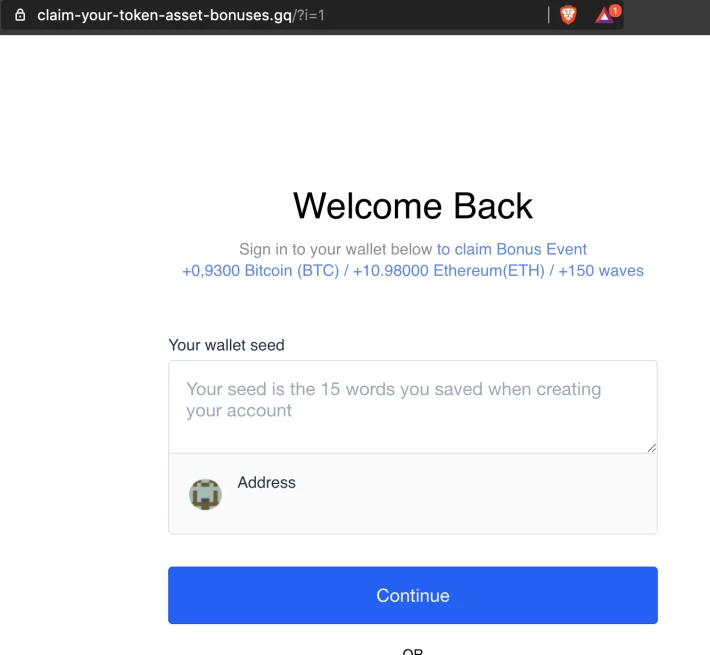
This website asks for your WAVES seed phrase and claims it will give you a ton of money. Really, they will likely just steal whatever you have in your wallet. Anyone can setup a website with some fancy buttons. Don't trust this stuff.
Illegitimate ICOs
An ICO or Initial Coin Offering is when a company has a certain number of their cryptocurrency set aside for sale to raise funds for development etc. They are often scams used to get a bunch of bitcoin and run away with, or they will use it to pump the price up then sell their own holdings onto the market for a quick profit.
Example go to this website https://www.tokenlot.com/crowdsale/confido/
It looks like a regular blockchain project..
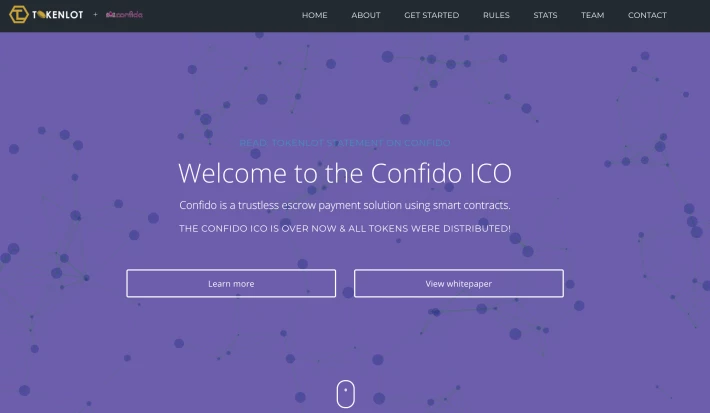
They use these buzz words like "trustless escrow", "smart contracts".
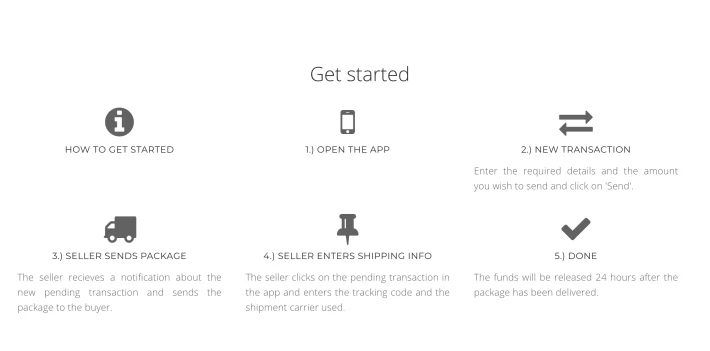
Followed by explaining a purchase sequence with pretty icons..
Guess what? Cryptocurrency start-up Confido disappears with $375,000 from an ICO, and nobody can find the founders
Another ICO called Centra had their "team" composed mostly of faked images posted on the ICO website.

Solution: Honestly just don't throw money at a random address because they claim you will make money from it.
If you want to support a project do a lot of digging, look for ways to contact the developers, look at their github source code.
Scam Exchanges
Part of why cryptocurrency is such a big deal is you have sole control of your coin. With the keys that are used to encrypt your transaction data on the blockchain, you alone can send your funds. Usually when you transfer money to an exchange, you lose this feature. Your money is now sitting in a wallet with keys controlled by this third-party who you have to trust, and unlike traditional banking, this money is not so easily recovered if stolen.
For example, an exchange might start with a huge referral program to get a bunch of users. It will pay out to the first people and likely have some kind of pyramid scheme referral rewards thing. Eventually when they get enough users and there's a ton of money in the exchange they could transfer it all out to their address and walk away! You might profit a bit as one of the first people but you did it by stealing from others. This is not good for ANYONE but the thief behind the scheme, least of all the blockchain community!
Solution: Look at their social media presence, their marketing, look for official information like a TOS and FAQ. Many times your friends might tweet a pre-written advertisement because the app wanted them to click "Tweet" to earn some reward. So don't just trust something because your friend said it on Twitter.
Fake Wallets
It's also very easy to create an application which appears to be a wallet and attempt to get people to import their secret phrase, which would be sent to a server for your coin to be stolen later or could even automatically steal all your funds.
Another kind of "fake wallet" could be when someone creates a fork of Bitcoin and promises you equal amount of their coin as you held in your current Bitcoin wallet. In order to claim them you would have to import the same seed phrase, and so you would claim some of this other coin however they could then claim your Bitcoin! Meanwhile seeing as you have received some useless scam coin you will be left sad :( while the creator of the coin has your Bitcoin.
Solution: Look up the name of the coin and the name of the wallet. See Reddit and Twitter, look for official news sources and info on why the cryptocurrency is being created (in the case of forks). You need to see that it is a serious project with a lot of published information.
Impersonation
I have seen several times on Twitter giveaways, a giveaway person will reply to someone with "Send me your paypal" or "Send your BTC address" and it seems scammers have bots watching for this or something because they immediately switch avatar to the same as the other person, switch name, and reply acting as them. Two times I have seen this trick work... and in just a few minutes, the tweet is deleted and the account is gone.
Aside from this though you can understand the dangers of impersonation. Someone could act like an influencer you trust and tell you to buy a bad coin just so they can dump it on you for high price.
Solution: Usually you can click on them and see they have almost no followers, or you can see a website is slightly misspelled for example. Always be careful that you are on the right website and chatting with the correct individual.






